Silence.
When a power grid fails, you know it immediately—the lights flicker, the streetlamps die, and the sudden darkness forces everyone onto the porch with flashlights. But when an algorithmic intruder slips into the back office of a modern grocery chain, nothing goes dark; the fluorescent bulbs keep humming cheerfully overhead while the cold quietly vanishes from the aisles. Also making headlines recently: What the $115 Billion Marvell and Lumentum Merger Actually Means for AI Infrastructure.
I still remember the distinct, sour smell of a walk-in cooler forty-eight hours after its compressor died during a summer heatwave in northern Italy a few years back. It is not the sharp tang of spoiled milk you notice first, nor the metallic edge of warming beef, but a heavy, sweet rot that clings to the back of your throat and refuses to leave your clothes for days. Every single pallet of ruined produce represents weeks of someone else’s dawn-to-dusk labor—farmers harvesting in the mud, truckers navigating mountain passes, and night-shift stockers stacking crates under harsh white lights.
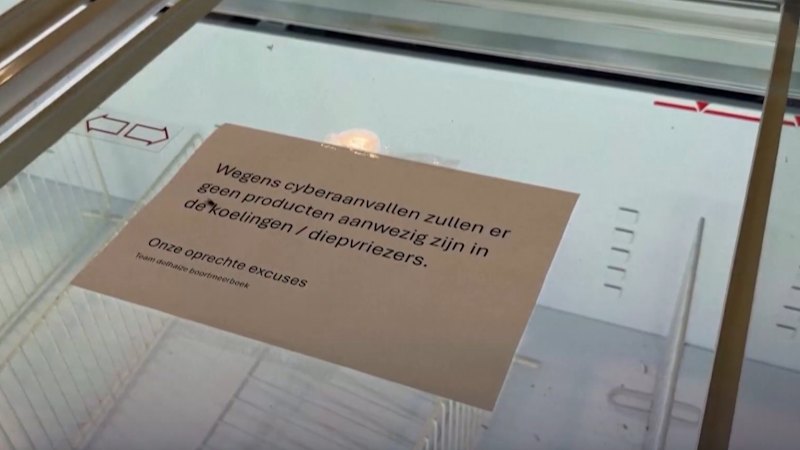
That physical, visceral waste is exactly what makes a recent cyberattack across nine European countries so deeply unsettling. Additional insights on this are detailed by Gizmodo.
On the surface, the headlines read like dry corporate housekeeping: a third-party vendor managing industrial refrigeration systems suffered a network breach, disrupting temperature monitoring and cooling controls across hundreds of supermarkets from Scandinavia to the Mediterranean. Nobody died. No nuclear centrifuges spun out of control. Yet if you look past the sterile press releases, you find a terrifying blueprint for how easily modern life can be unraveled through the things we never bother to lock.
The Invisible Thermometer
To understand how a hacker sitting thousands of miles away can spoil a carton of yogurt in your neighborhood grocery store, picture a hypothetical night-shift manager—let’s call her Elena—working at a bustling supermarket outside Munich.
At 2:14 a.m., Elena is walking the dairy aisle with a clipboard, checking off deliveries. The store is quiet save for the low, comforting thrum of the display cases. She glances at the digital readout mounted above the butter and cream: 3.2°C. Everything looks normal.
What Elena cannot see is that three hours earlier, an automated script breached the cloud portal of the specialized engineering firm that maintains her store’s cooling compressors. That portal wasn't designed for hackers; it was built for convenience, allowing technicians in a central office to tweak valve pressures, run diagnostics, and save energy across thousands of European storefronts without burning diesel driving from town to town.
By connecting a simple refrigerator to the open internet, we traded physical isolation for efficiency.
In Elena’s store, the intruders didn't even need to smash the system with ransomware to cause chaos. Simply locking technicians out of the telemetry dashboards—or subtly nudging the thermostat thresholds upward by six or seven degrees while spoofing the local display—turns a high-tech supermarket into a slow-motion greenhouse. By the time Elena notices condensation pooling on the glass doors at 6:00 a.m., the internal temperature of the poultry cases has crept past the food-safety threshold.
Under strict European Union food hygiene regulations, once chilled meat, dairy, or prepared meals sit above safe temperatures for more than a brief window, store managers have zero discretion. They cannot donate the food to local shelters. They cannot discount it for quick sale. Every single package must be hauled to the loading dock, logged as hazardous organic waste, and tossed into dumpsters.
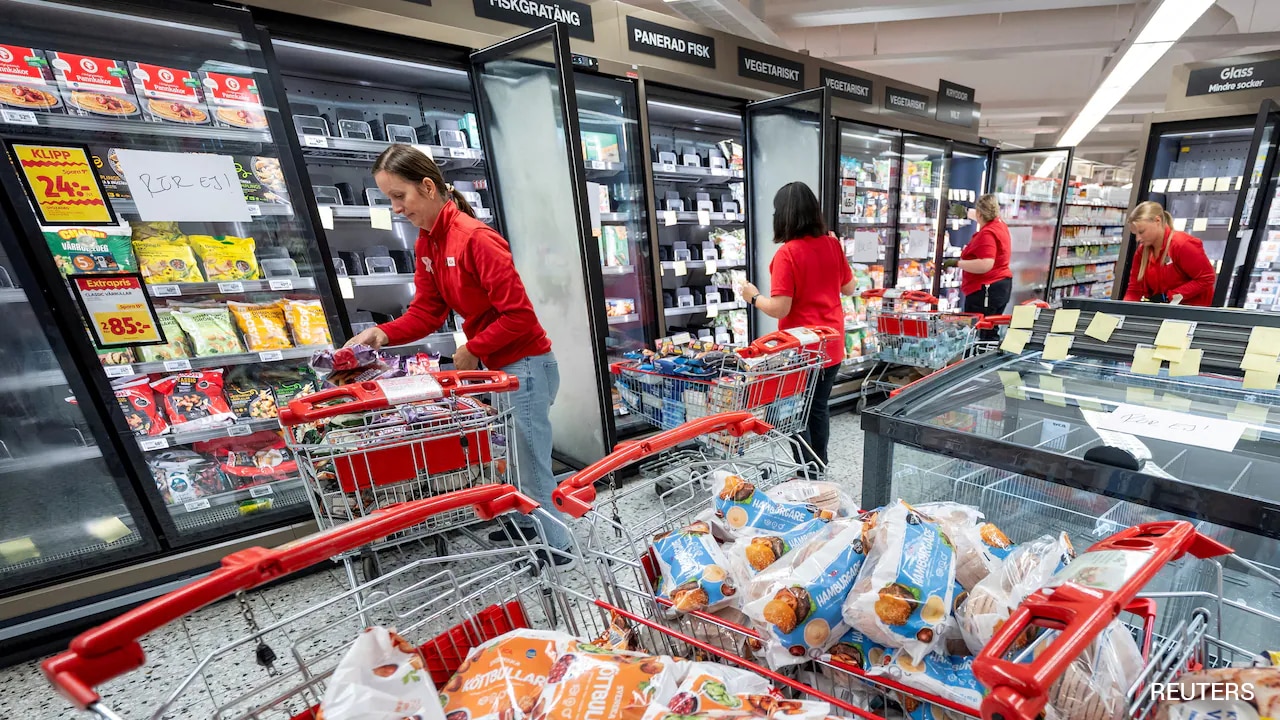
Multiply Elena’s store by several hundred locations across nine nations, and you are suddenly looking at mountains of discarded food while supply chains scramble to restock shelves from warehouses already stretched thin.
Why Hackers Target the Chiller Instead of the Vault
Most people assume cybercriminals spend their nights trying to crack bank vaults or steal credit card numbers from checkout terminals. That assumption made sense ten years ago, when digital theft meant snatching data and selling it on shadowy forums.
Today, the economics of extortion have shifted toward physical disruption.
Think of a modern supermarket not as a building full of shelves, but as a high-speed relay race where nothing is allowed to stop moving. Fresh produce has no warehouse buffer; it travels directly from farm to distribution hub to display case on a razor-thin schedule. Banks can freeze accounts for a weekend while engineers rebuild servers, and customers will complain, wait until Monday, and move on. A grocery store cannot pause biology. Milk sours on its own schedule, indifferent to IT recovery timelines.
When attackers target Operational Technology—the unglamorous, industrial computers that run chillers, HVAC units, water pumps, and factory conveyor belts—they gain immediate psychological leverage. A chief executive can stomach a week of bad press over leaked email addresses, but watching millions of euros of fresh inventory rot in real time across nine countries forces a boardroom into panic within hours.
I will admit something that even veteran security engineers hesitate to say out loud: we still don't fully know how exposed our everyday infrastructure truly is. Every time an auditor peels back the layers of a major retail chain, they find forgotten cellular modems wired into basement compressors, default passwords left unchanged since 2016, and vendor maintenance tunnels that bypass every firewall the corporate security team proudly installed. It is genuinely frightening how much of our daily comfort rests on plumbing that was never meant to be online.
The Third-Party Backdoor
If you ask how a single breach jumps borders across nine different countries in a matter of minutes, the answer rarely lies inside the supermarkets themselves. Major grocers spend millions guarding their front doors—their payment systems, loyalty apps, and corporate networks.
Instead, attackers look sideways.
Consider the way a house is built. You might install a deadbolt made of hardened steel on your front door, complete with cameras and motion sensors, while leaving the basement window unlocked because the plumber comes by every Tuesday to check the boiler. In the corporate world, that plumber is the third-party vendor.
Modern retailers outsource almost everything mechanical. One contractor manages the escalators, another oversees the bakery ovens, and a specialized refrigeration firm monitors the cold chain across half a continent. Because that refrigeration contractor needs live data from every store to predict compressor failures before they happen, the grocer grants them persistent, automated network access.
Once the contractor’s central server falls, the attackers don't have to pick nine different locks across nine different countries. They simply walk through the trusted maintenance tunnel already wired into hundreds of basements.
We have seen this exact pattern repeat across global industries for a decade—from the 2013 Target breach that began with stolen credentials from a heating and ventilation contractor, to the 2021 Colonial Pipeline shutdown that emptied gas stations along the American East Coast over a single compromised password. Yet the lure of remote automation remains so strong that companies keep wiring critical hardware straight into the cloud before asking how to unplug it when things go wrong.
When Convenience Becomes Fragility
Walk down any grocery aisle today and you are surrounded by invisible sensors quietly talking to distant servers. Electronic shelf labels adjust prices dynamically based on weather forecasts; smart cameras track empty spaces on bread racks; automated thermostats dim the lights when foot traffic slows.
None of these inventions were built with malice. They were built to shave fractions of a percent off razor-thin grocery margins, reduce energy waste, and keep food affordable. And for ninety-nine percent of the year, they work brilliantly.
The trouble begins when we strip away manual overrides in pursuit of total automation.
In an older supermarket, if a cooling controller glitched at three in the morning, a night manager could walk into the mechanical room, flip a physical toggle switch from Auto to Manual, and keep the compressors humming until an engineer arrived with a wrench. In too many modern facilities, those physical switches have been replaced by touchscreen panels locked behind cloud authentication. When the remote server goes dark—or falls into hostile hands—the local staff stands helpless in front of a frozen screen while the temperature ticks steadily upward.
You don't need a degree in computer science to see the flaw in building a refrigerator that refuses to stay cold unless it can talk to a server in another country.
Rebuilding the Cold Chain Without Losing Our Minds
Fixing this mess does not require ripping out smart sensors and returning to clipboards and mercury thermometers. It requires remembering a basic rule of engineering: anything that keeps food safe, water clean, or lights on must be able to survive on its own when the internet goes down.
First, every connected industrial device needs what engineers call network segmentation—a fancy term for building thick concrete walls between rooms. If a burglar breaks into the garage, they shouldn't automatically have the keys to the nursery. A supermarket’s refrigeration sensors should never share a digital hallway with corporate email servers, nor should a vendor’s remote diagnostic tool have the authority to override basic safety limits.
Second, hardware manufacturers have to bring back physical fail-safes. Even if a cloud server is compromised, a hardwired mechanical thermostat inside the chiller should physically prevent the temperature from rising above safe limits unless someone turns a literal brass key in the basement. Software can optimize efficiency; physics must guard safety.
Finally, retailers need to practice losing control before an attacker forces their hand. Running unannounced drills where IT teams pull the network plug on a store’s automated systems reveals immediately whether the staff knows how to keep the cold chain alive—or whether everyone stands around waiting for a helpdesk ticket to clear.
Think back to Elena standing in that quiet dairy aisle at two in the morning. The hum of the compressors isn't background noise; it is the fragile heartbeat that separates a thriving city from empty shelves and locked doors. When we wire our daily bread into the cloud, we shouldn't be surprised when someone eventually reaches through the screen and turns off the cold.