Midnight rarely arrives with a warning. Usually, it simply slips in, disguised as an ordinary Tuesday, folding the quiet suburbs into a deep, indifferent slumber. Curtains are drawn. Porch lights flicker out. Inside, lungs expand and contract in the dark, trusting the thin walls of a house to hold the world at bay.
Trust is a fragile architecture.
It takes only seconds for a sanctuary to become a trap.
Imagine the sudden heat. (Note: This hypothetical reconstruction is grounded in the terrifying physics of residential blazes reported by emergency responders). The air thickens first, tasting of acrid plastic and scorched timber long before the human eye registers the glow. Then comes the sound. Not a roar, but a sharp, hungry crackle, chewing through drywall with terrifying speed.
By the time the sirens tore through the stillness, the street was already awake, stumbling onto damp lawns in bare feet and pajama bottoms. Faces illuminated by erratic, orange flames wore the same dazed expression of disbelief. Fire is an equalizer. It does not care about mortgage payments, family arguments, or tomorrow's plans. It consumes.
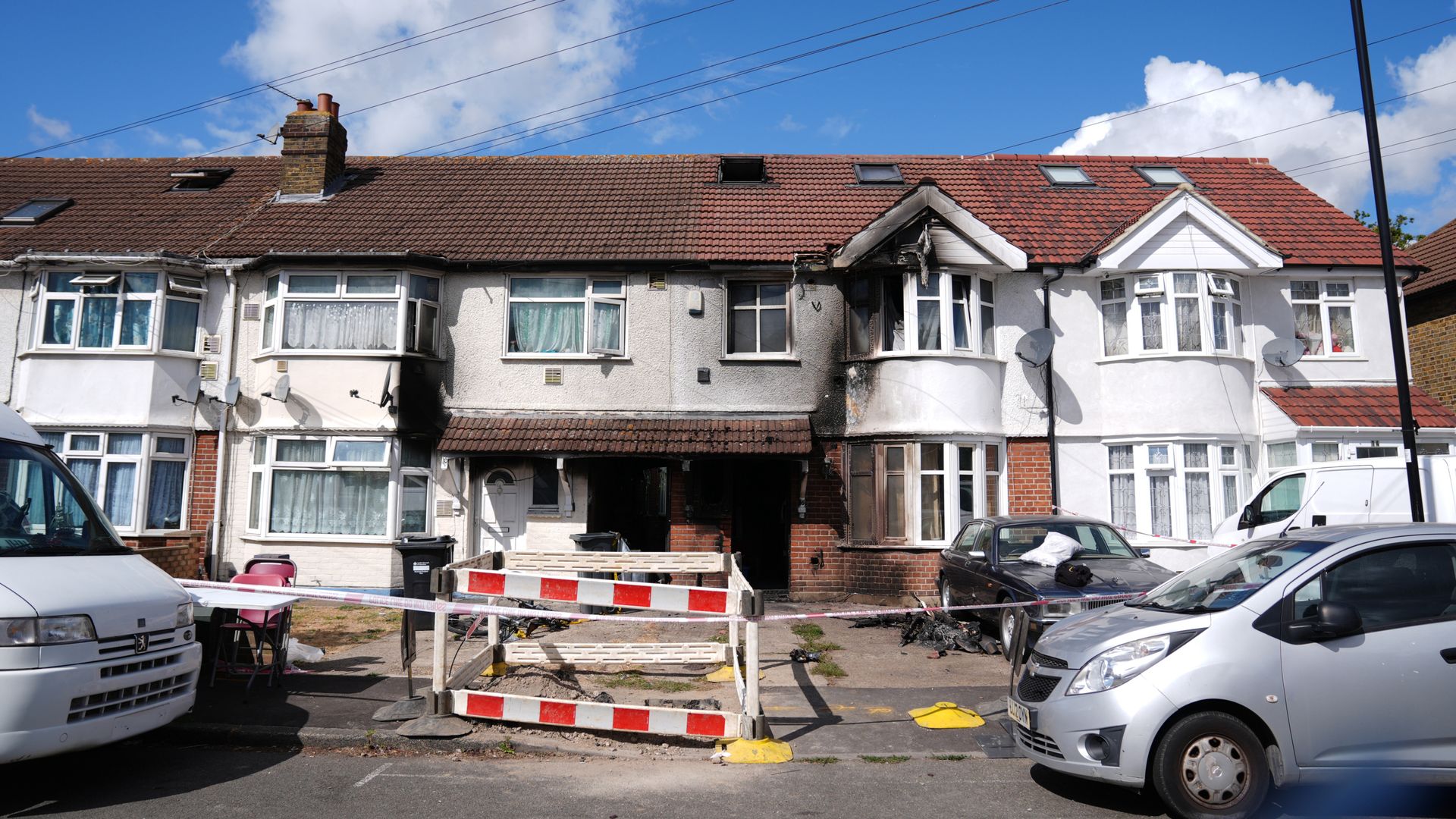
When the smoke finally cleared, leaving behind the skeletal frame of a charred homestead and the acrid stench of ruin, the math of the tragedy emerged. One person dead. Eight others clinging to life, pulled from the jaws of a suffocating inferno by frantic neighbors and firefighters who refused to let the night win.
Then came the handcuffs.
Police departments do not often deal in simple narratives. When a man was charged with murder and eight counts of attempted murder following the blaze, the community experienced a second, quieter shockwave. The fire was not an accident of faulty wiring or a forgotten candle left burning on a nightstand. It was deliberate.
Intent is a heavy word.
We want to believe that evil wears a distinct costume, that monsters walk with a recognizable limp or harbor a visible darkness. Instead, they look like the neighbor who mows the lawn on Saturdays. They share the same air, the same grocery store checkout lines, the same mundane complaints about the weather. When malice steps out of the shadows and strikes at the very foundations of safety, the mind stumbles trying to bridge the gap between the person we thought we knew and the devastation left behind.
Consider what happens next in the cold machinery of justice.
The courtroom replaces the burning street. Legal briefs replace the roar of flames. A man sits behind a defense table, flanked by attorneys, while a prosecutor begins the arduous task of piecing together the timeline of a catastrophe. Every second is dissected. Every threat, every text message, every erratic movement leading up to midnight is weighed on the scales of a legal system designed to find truth in the wreckage.
Murder charges carry a specific, crushing gravity. But multiply that by eight counts of attempted murder, and the numbers begin to lose their abstract shape, turning back into human lives. Eight separate futures interrupted by smoke and smoke inhalation. Eight recovery rooms where families hold vigil, waiting for eyelids to flutter open, wondering if the nightmares will ever stop smelling like burning wood.
We watch these reports flicker across our screens over morning coffee. We shake our heads at the cruelty of it. We whisper, "How could anyone do such a thing?"
And then we turn the page. We lock our front doors. We turn on our porch lights, trusting the night again, pretending that walls are enough to keep the dark outside.
The embers on that ruined street are cold now. The sirens have long since faded. But the silence that remains is heavier than the smoke ever was, lingering in the empty spaces where a community used to sleep without fear.