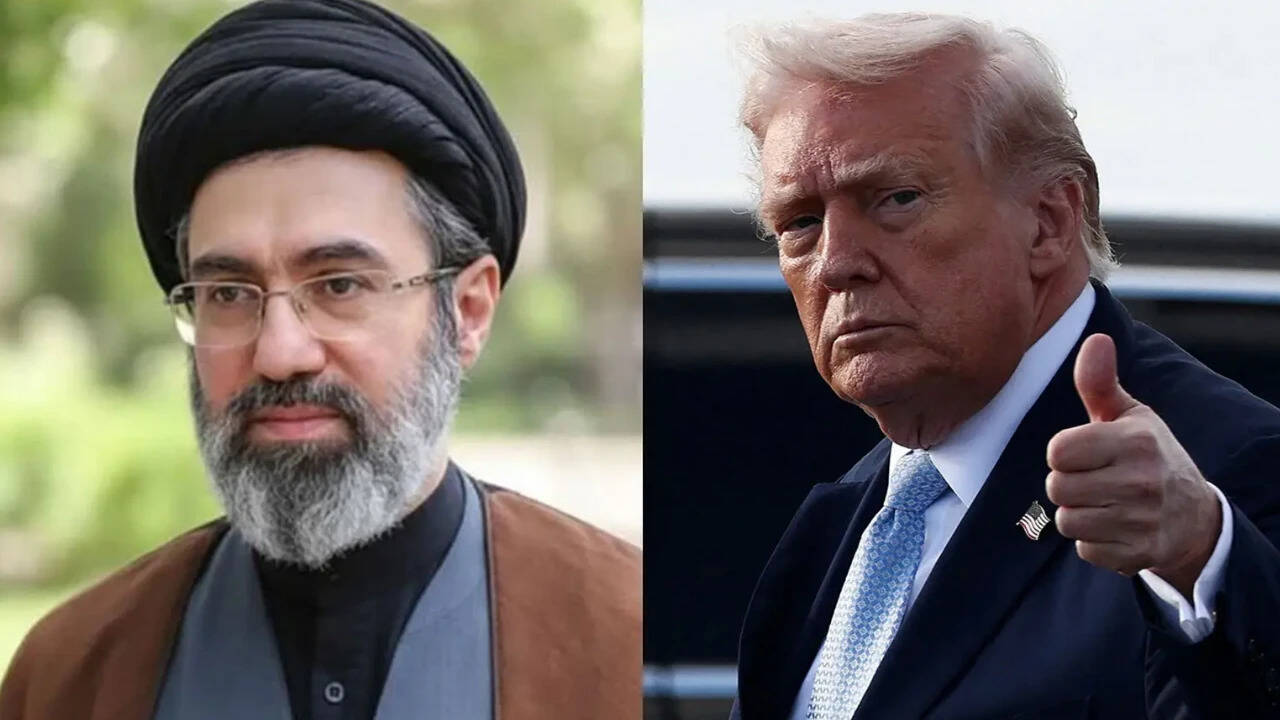
The sixty-day diplomatic window has slammed shut, and the mainstream foreign policy establishment is having a collective meltdown. Headlines scream that the memorandum signed in Versailles has unraveled, that the Strait of Hormuz remains a contested choke point, and that Donald Trump’s primary objective—stopping Tehran from obtaining a nuclear weapon—remains unfulfilled. Analysts are wringing their hands over broken promises, stalled talks, and climbing Brent crude prices.
They are asking all the wrong questions. You might also find this connected coverage insightful: Inside the White House Order That Shook the Seoul Alliance to Its Core.
Focusing on whether a bureaucratic deadline was met is like timing a boxing match by looking at the referee's watch instead of noticing that one fighter has already broken ribs. The entire framing of this geopolitical standoff relies on outdated assumptions about modern leverage, maritime choke points, and what constitutes actual deterrence.
The Myth of the Hard Deadline
Let’s dismantle the lazy consensus first. The mainstream narrative treats artificial timelines as sacred texts. When a sixty-day window expires without a signed, ribbon-tied accord, the commentariat assumes diplomacy has flatlined. As reported in detailed articles by Reuters, the effects are widespread.
This is amateur-hour analysis. In high-stakes statecraft, deadlines are rarely endpoints; they are pressure valves. Trump himself noted early on that the timeline was flexible, signaling to anyone paying attention that the real game was structural attrition, not calendar-watching.
[Traditional View]  -> Deadline Hits -> Deal Fails -> Imminent Escalation
[Actual Reality]    -> Deadline Hits -> Squeeze Intensifies -> Economic War of Attrition
The collapse of the interim memorandum did not plunge the region into a sudden new crisis. It merely stripped away the diplomatic theater, exposing the raw, unvarnished economic war underneath. Both Washington and Tehran are locked in a mutual suffocation strategy.
The Strait of Hormuz is Not a Tollbooth
The core friction point isn't abstract uranium enrichment levels this week; it is maritime geography. Before the conflict, a fifth of globally traded oil and gas flowed freely through the Strait of Hormuz. Now, traffic has cratered because Tehran wants to monetize the waterway, while Washington insists on total naval dominance.
The conventional take assumes that whoever controls the physical water holds all the cards. But maritime transit in the twenty-first century is completely dependent on insurance, tanker availability, and international trade networks. Iran attempting to carve out a toll-extraction scheme with regional partners isn't a masterstroke of geopolitical control; it is a desperate bid for cash flow amid collapsing oil exemptions and reinstated naval blockades.
When oil tanker traffic drops to a handful of vessels over a weekend, nobody is winning. Tehran’s gambit to choke energy markets is matched dollar-for-dollar by U.S. economic isolation.
The Real Variable: Domestic Endurance
Why are both sides digging in so stubbornly? The answer has nothing to do with the text of the Versailles memorandum. It has everything to do with domestic electoral pressure.
Trump is managing the economic fallout of prolonged deployment and energy volatility against the backdrop of upcoming congressional midterms. Tehran’s leadership is calculating that American voters have a lower tolerance for sustained fuel spikes than Iranian citizens have for institutional economic pain.
Imagine a scenario where the White House simply bypasses the negotiation table entirely, treating the current frozen conflict as the permanent baseline. Without sanctions waivers and with continuous naval interdiction, the Iranian state apparatus absorbs a slow bleed that no temporary shipping fee can patch over.
The obsession with a nuclear deal deadline distracts from the brutal reality that containment is no longer about signing treaties. It is about outlasting the adversary's balance sheet.
Stop looking at the calendar. Watch the crude inventories.

:max_bytes(150000):strip_icc()/lake-mead-173940030-5c25228846e0fb00014e8584.jpg)
