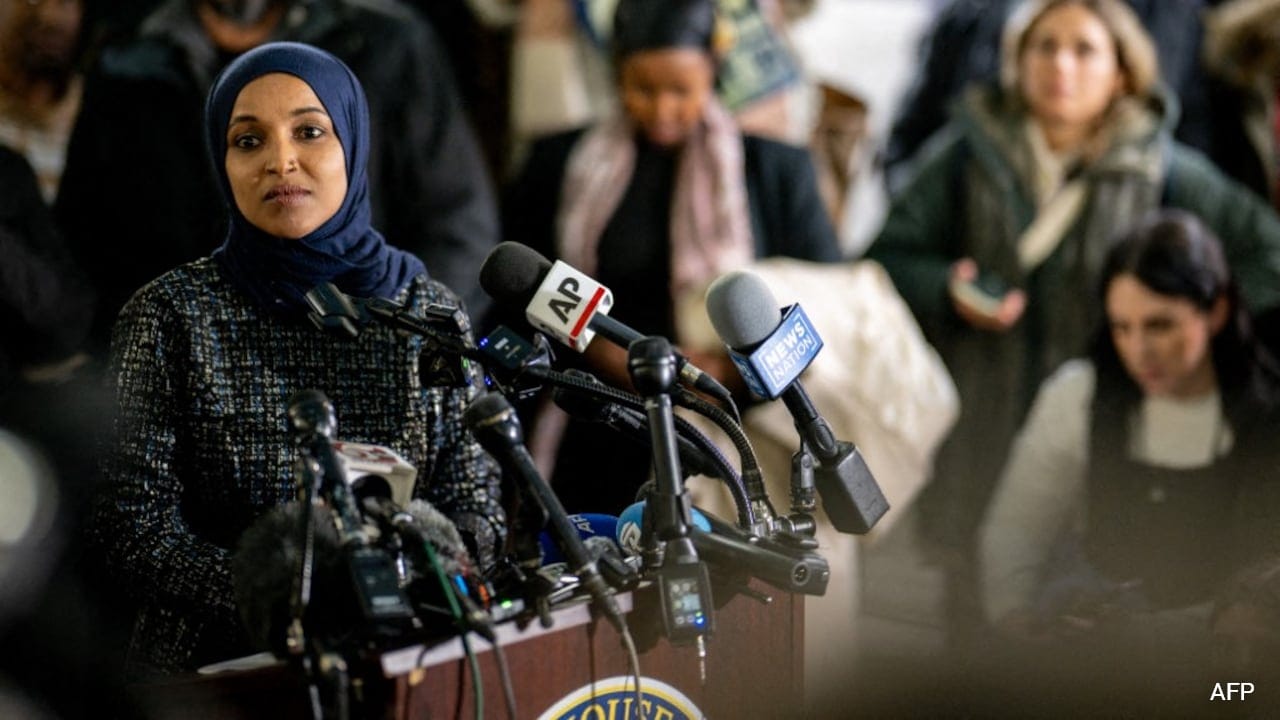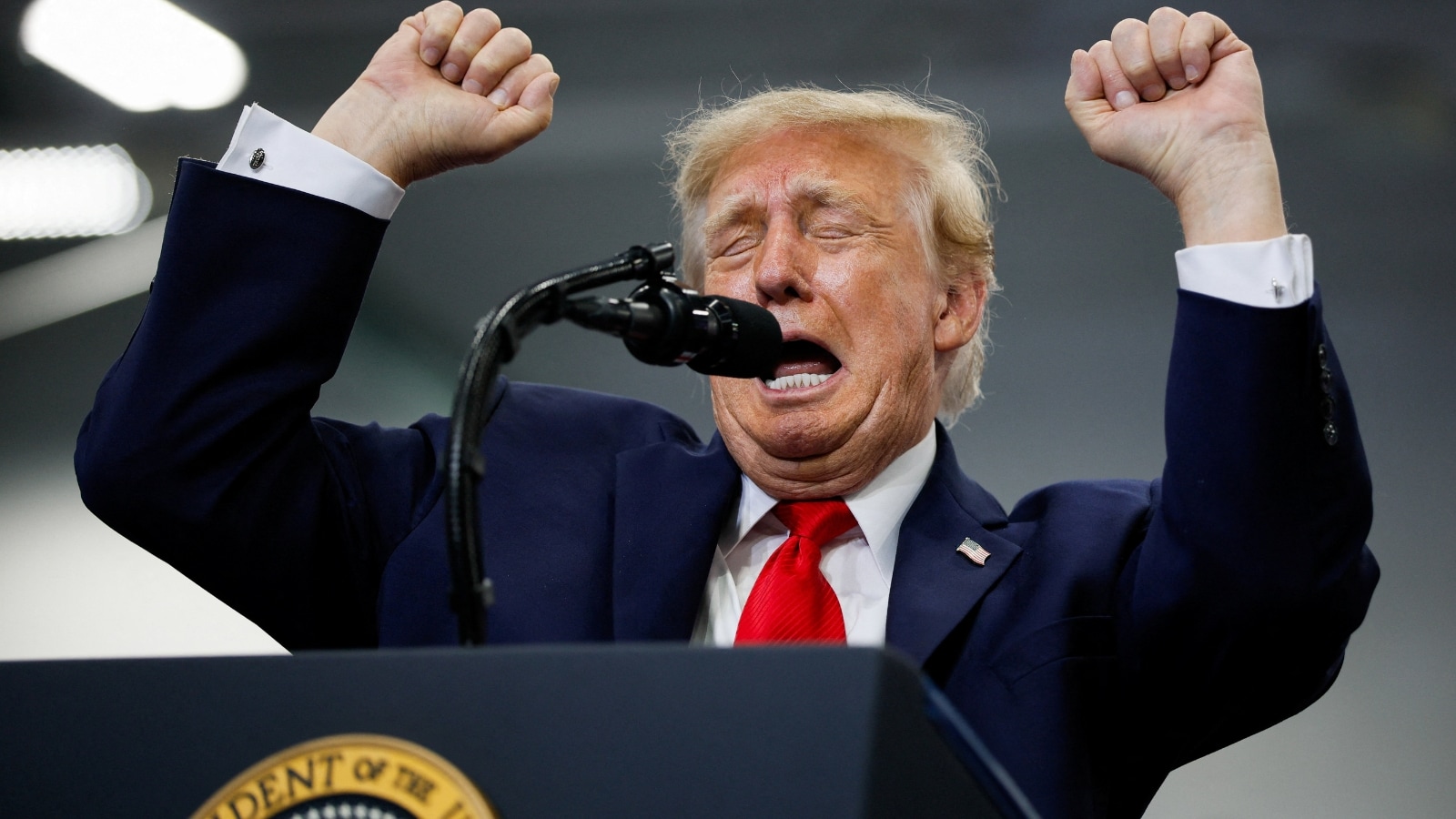
Working-class voters in Ohio are increasingly rethinking their allegiance to Donald Trump and the Republican Party as stubborn inflation, stagnant wages, and unfinished factory promises collide with everyday kitchen-table reality. After a decade in which populist grievances and cultural clashes pulled blue-collar households toward the GOP, many in the state's industrial towns and outer suburbs are questioning whether Trumpism delivers tangible relief. That second-guessing helped fuel a major November 2026 midterm reckoning, including Amy Acton's gubernatorial victory that ended 16 years of Republican control in Columbus.
For years, political analysts treated Ohio's working-class shift as a permanent lock. Mahoning County and neighboring Rust Belt pockets that once voted reliably for Democrats turned red as plants closed, union density shrank, and traditional industrial livelihoods hollowed out. Trump spoke directly to that anger. He named the trade deals, offshoring, and institutional neglect that blue-collar families felt in their bones. For an alternative look, check out: this related article.
Yet anger alone cannot pay a grocery bill or cover a rising property tax assessment. Voters who backed Trump hoping for lower prices and steady paychecks have run into a harder arithmetic. Even when headlines tout industrial output—manufacturing remains Ohio's largest private economic sector, generating nearly $138 billion in GDP in 2024 and supporting roughly 677,000 jobs—many hourly workers say their paychecks still fall short of what a household actually costs.
The Wage Gap Behind the Ballot Box Shift
Look closely at the numbers behind Ohio's labor market and the voter doubt makes sense. Policy Matters Ohio research shows that while worker productivity in the state climbed 84 percent since 1979, median compensation rose just 22 percent over that same span. By 2025, Ohio's median hourly wage lagged the national median by 77 cents, and full-time workers in the lowest fifth earned an annualized $31,354—well below what it takes to cover basic family expenses. Further reporting on this matter has been shared by NPR.
Numbers tell only half the story. What matters on a Tuesday morning in Warren, Youngstown, or Dayton is whether a raise disappears before it hits checking. When groceries, utilities, auto insurance, and housing stay elevated, voters judge the party in power on results rather than slogans.
Hypothetical Example: Consider a dual-income family in Trumbull County earning a combined $62,000 across a warehouse shift and a part-time retail job. A 3 percent bump in hourly pay sounds encouraging on paper, yet a $180 monthly jump in groceries and childcare wipes out the gain within weeks. To that household, macro-level trade speeches feel distant from the checkout lane.
That gap between campaign promises and household cash flow is where Republican vulnerability has grown sharpest. Tariffs and industrial nationalism appeal to blue-collar pride, but workers squeezed by daily prices want immediate relief on essentials. When inflation lingers, voters tend to blame whoever holds the levers of power.
Two Working Classes, Not One Monolith
Treating "the working class" as a single block misses how Ohio actually works. Historians and labor observers frequently point to a sharp divide between higher-paid unionized industrial trades—historically steel, auto, and skilled machinery—and lower-paid service, logistics, and non-union factory roles. Those two groups do not experience economic swings the same way, nor do they react identically to political messaging.
Union households often weigh contract leverage, pension protections, and workplace rules alongside broader politics. Because union representation in Ohio is a fraction of its late-1970s share, millions of workers lack collective bargaining power that once lifted wages across entire towns. Without strong unions setting a floor, wage growth in lower-tier jobs has struggled to keep pace with living costs.
At the same time, Ohio's outer rings are shifting in ways that complicate GOP math. Growing exurban communities around Columbus—such as Delaware County—have absorbed tens of thousands of new residents over the past decade and a half, bringing younger households and more competitive swing dynamics into areas once taken for granted by Republicans. Even where conservative habits run deep, irritation with political turbulence and unfulfilled promises has chipped away at blind loyalty.
| Factor Driving Voter Rethink | How It Hits Blue-Collar Households | Political Consequence in Ohio |
|---|---|---|
| Persistent Cost Pressure | Groceries, housing, and everyday bills eat up modest wage gains. | Voters punish incumbents over affordability regardless of party labels. |
| Stagnant Median Pay | Productivity rises faster than real paychecks; Ohio trails U.S. median wages. | Economic populism loses ground when wallets stay tight. |
| Culture War Fatigue | Social battles dominate headlines while pension and plant concerns linger. | Some swing voters tune out grievance politics and look for practical fixes. |
| Exurban & Demographic Shifts | Faster-growing counties diversify the electorate beyond legacy factory towns. | Statewide margins tighten and flip in competitive cycles. |
Why Culture Battles Are Losing Their Punch
For nearly ten years, cultural grievances acted as political glue for the GOP in places like Ohio. Arguments over schools, gender, and anti-establishment defiance rallied voters who felt looked down upon by coastal elites. Yet some working-class voters who once cheered that combative style are growing tired of the noise.
A voter can hold traditional views on family and social norms while still believing politicians spend too much energy on cable-news fights instead of passing laws that raise take-home pay or protect retirement security. When rhetoric feels personal, abrasive, or detached from workplace realities, enthusiasm cools. Political loyalty built on attitude is fragile when pocketbook stress rises.
Still, disillusionment with Republicans does not automatically hand Democrats a blank check. Many Ohioans remain skeptical of both parties. Some blue-collar voters worry that Democrats overreach on social issues, while others doubt whether any politician in Columbus or Washington can bring down prices overnight.
What Democrats Must Prove Next
Winning back working-class voters in Ohio is one thing; keeping them is much harder. Candidates who campaigned on cost-of-living relief and worker pocketbooks in 2026 now face a brutal test of delivery. Voters have short patience for excuses when rent, electricity, or health care costs keep climbing.
Practical governing requires concrete moves on housing supply, workforce training, energy costs, and fair wages rather than sweeping promises that stall in legislative gridlock. If newly empowered leaders fail to produce measurable relief, frustrated voters may swing right back—or stay home altogether—in the next cycle.
What Republicans Must Reckon With
For the GOP, losing ground among working-class voters in a state that helped anchor its populist turn is a flashing warning light. Tariffs and tough talk alone cannot substitute for lower everyday costs or steady local job creation. If Republicans rely solely on cultural grievances or personal loyalty to Trump, they risk alienating pragmatic breadwinners who simply want their paychecks to stretch further.
Ohio's working-class realignment was never a simple fairy tale of a single man rescuing forgotten towns. It was a transactional bet on economic revival—and like any bet, Ohioans are ready to cash out or walk away the moment the return stops showing up at home.