The lazy consensus in international journalism loves a clean narrative arc. Foreign correspondents drift into Naha, watch a conservative candidate like Genta Koja win a gubernatorial election, and immediately type out breathless hot takes about how Okinawa is finally turning the page on anti-base politics.
It is a tidy storyline
Okinawa Is Not Moving Past Anti Base Politics Tokyo Is Just Losing Its Grip
news, travel
The lazy media consensus loves a clean narrative. Tokyo sends money down south, constructs a few concrete seawalls, pours billions into local construction contracts, and the stubborn anti-base resistance in Okinawa simply dissolves under the weight of economic pragmatism. Every few years, an election happens, a conservative mayor wins a minor district, and pundits in Chiyoda dust off the same tired headline: Is Okinawa finally moving past anti base politics?
Stop buying the fiction.
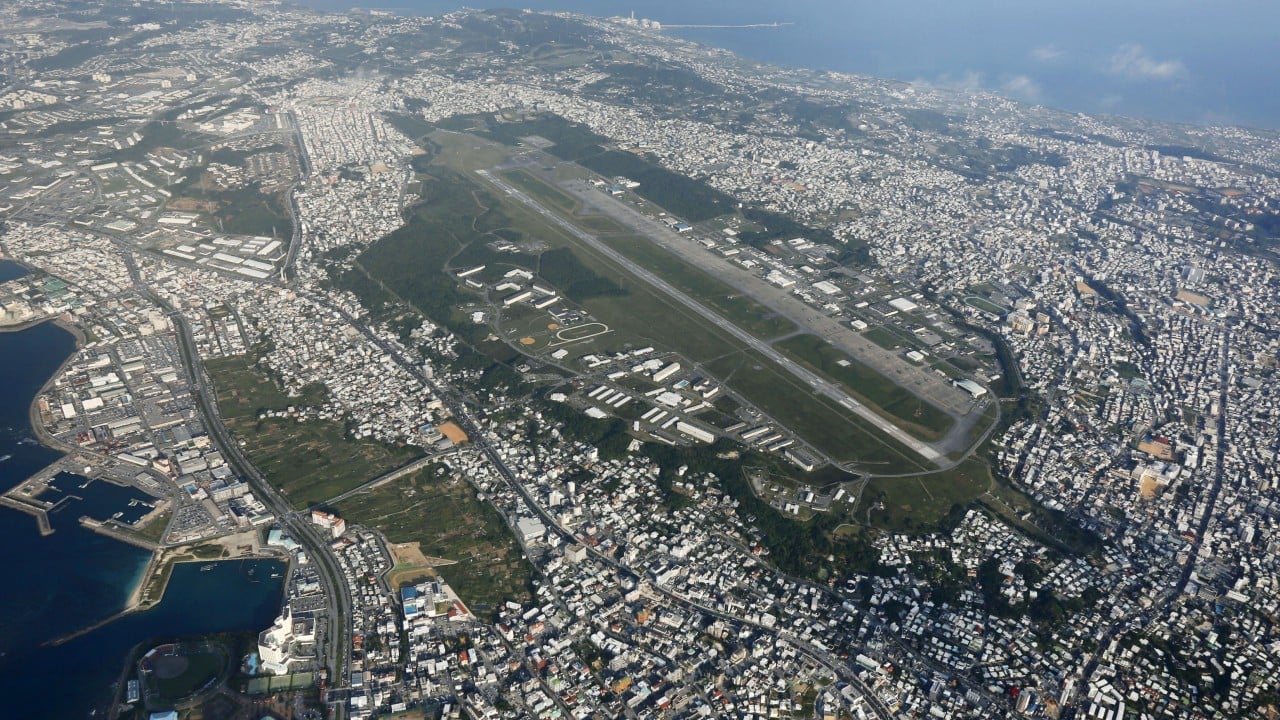
Okinawa is not mellowing. The prefecture has not traded its generational trauma for government subsidies. The political friction surrounding United States Marine Corps Air Station Futenma, the relocation to Henoko, and the suffocating footprint of American military installations across roughly eighteen percent of the island is not fading into a historical footnote.
If you think the locals are getting used to the noise, the crash risk, and the environmental degradation because of a few new shopping malls and government-funded bypass roads, you are misreading every single pulse of the Ryukyu Islands. The anger is not disappearing. It is morphing into something far more structural, far quieter, and far harder for Tokyo to manage.
The Subsidy Myth And The Economics Of Resentment
Let us dispense with the tired economic blackmail argument. The standard Tokyo talking point goes like this: Okinawa relies on central government handouts, tourism, and base-related spending, so the voters should simply fall in line with national security priorities dictated three thousand kilometers away.
I have watched bureaucrats in Kasumigaseki try to buy compliance with asphalt and tourist board grants for years. It does not work the way they think it does.
Okinawa remains the poorest prefecture in Japan by a wide margin. Median household income lags far behind Honshu. Youth unemployment has historically hovered well above the national average. But look closer at how that economic reality fuels the resistance rather than softening it. When the local economy struggles while massive tracts of prime coastal land are fenced off for military use, every economic grievance ties directly back to the base issue.
The argument from Tokyo assumes that a new bridge or an expanded expressway buys political silence. Instead, it breeds a specific brand of deep-seated cynicism. Locals see the economic disparity not as a failure of their own making, but as the direct price of being treated as an expendable garrison island. Throwing public works money at Okinawa while ignoring the demographic burden of hosting over half of all United States military personnel in Japan is like paying hush money to a victim of a bad neighborhood deal. It funds the infrastructure, but it deepens the alienation.
Strategic Realities Versus Local Reality
Washington and Tokyo view Okinawa through a single lens: a geographic unsinkable aircraft carrier crucial for containing potential aggression in the Taiwan Strait and the South China Sea. From a map in the Pentagon or the Ministry of Defense, Henoko is a logistics necessity, a strategic chessboard square that must be held at all costs.
Step out of the air-conditioned briefing rooms and stand on the seawall at Henoko. Watch the protest boats bobbing in Oura Bay. Listen to the elderly residents who survived the Battle of Okinawa recounting what it means to be sacrificed twice—first as a speed bump for the mainland during World War II, and now as a frontline target in a modern great power standoff.
The mainstream reporting acts as if the election of conservative mayors in places like Ishigaki or Miyakojima signals a broader capitulation. These local victories are tactical, driven by municipal budgets, agricultural subsidies, and immediate local infrastructure needs. They are survival votes, not ideological conversions. Conflating a mayor securing funds for a local hospital with a ringing endorsement of Osprey tilt-rotor aircraft flying over elementary schools is lazy analysis at its absolute peak.
When push comes to shove at the gubernatorial level, the electorate consistently returns leaders who block, stall, and litigate against the central government's bulldozers. Dennis Tamaki and his predecessors did not invent the opposition; they are merely managing a wave of civic refusal that has survived every political bribe Tokyo has thrown at it since the 1972 reversion.
The Quiet Evolution Of Resistance
The nature of the pushback is shifting away from traditional left-wing street protests toward institutional attrition. This is what the central government fears most, even if they pretend otherwise.
Okinawan civil society has mastered the art of bureaucratic sand in the gears. Every environmental impact assessment is challenged. Every dredging permit is tied up in administrative litigation. Local legal teams use domestic environmental laws, heritage protection statutes, and indigenous rights frameworks to wage a war of a thousand paper cuts against the Ministry of Defense.
At the same time, a new generation of Okinawans is bypassing mainland media narratives entirely. They are building horizontal networks with civil society groups across East Asia, framing their struggle not just as a local zoning dispute with Tokyo, but as an environmental and human rights issue tied to global militarism. They do not need the old socialist party structures because their identity as Uchinaanchu stands completely apart from Yamatonchu identity.
When you treat an entire population as a permanent military staging ground, you do not secure their loyalty. You simply teach them how to wait you out.
Tokyo can bulldoze the coral in Oura Bay. They can deploy riot police to clear sit-ins. They can win a bureaucratic round in the Supreme Court. But they will never manufacture consent on an island that remembers the blood soaked into its soil eighty years ago and sees its future mortgaged for a war nobody living there wants to fight.
The question is never whether Okinawa is moving past anti-base politics. The real question is how long Tokyo can sustain a security policy that relies on holding an entire prefecture hostage against its will.