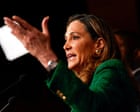
Political conformity in Washington usually comes easy. When party leaders chart a course, the rank-and-file tend to fall in line without making a fuss. But every so often, a lawmaker decides that keeping quiet costs more than speaking up.
That is exactly what happened when Florida Republican Representative María Elvira Salazar decided to call out the White House over its border and deportation policies. Rather than backing down after receiving pushback, Salazar doubled down on her warnings, claiming that the administration's inner circle risks compromising Donald Trump's presidential legacy by shielding him from reality.
The Core Disconnect Within the Republican Party
The tension highlights a deeper rift on the right. On one side, hardliners view aggressive border sweeps and broad removal policies as non-negotiable pillars of the populist mandate. On the other, politicians representing diverse constituencies—particularly in states with massive immigrant populations like Florida—have to answer to voters who see the human reality behind sweeping federal mandates.
Salazar pointedly argued that advisors are failing to show the president the whole picture. As she put it, the average American understands a very basic distinction in daily life. People draw a line between dangerous criminals and ordinary working folks trying to build a life.
When federal enforcement nets cast too wide a shadow, it creates anxiety in local communities that rely heavily on immigrant labor for hospitality, agriculture, and service industries. Salazar famously noted that constituents recognize the difference between a cartel member and a nanny, or a gang member and a gardener.
Why the White House Pushback Is Failing to Silence Critics
The administration maintains that absolute enforcement is the only way to restore order. Massive funding packages, such as the seventy-billion-dollar border security legislation moving through Congress, signal a clear legislative commitment to backing immigration enforcement agencies like ICE to the hilt.
Yet, public friction from within the party's own ranks shows that discipline is fraying. When lawmakers like Salazar step out of line, they do so because their local constituents are feeling the immediate pinch of heavy-handed tactics. Ignoring economic realities on the ground to chase ideological purity rarely plays well once the cameras turn off.
Trump remains the undisputed focal point of the party, and Salazar acknowledged that reality directly, noting that he is the one elected to the Oval Office and ultimately decides who he listens to. But her refusal to bite her tongue signals that internal debates over the scope and scale of federal deportations are far from settled.
The Political Fallout Moving Forward
Electoral politics rarely rewards blunt honesty about messy policy failures. Midterm cycles and shifting voter sentiment mean that Republicans walking a tightrope on immigration have to weigh federal loyalty against local survival.
If high-profile figures continue pushing back against blanket removal strategies, the administration will face a choice. It can either adjust its tone to address practical economic concerns or risk alienating moderate suburban voters who supported the party on other issues but feel uneasy about aggressive enforcement tactics.
The debate isn't going away. As long as Washington pushes a one-size-fits-all approach to complex demographic realities, local lawmakers will keep finding reasons to speak out.
Trump Admits Tough Deportation Policies May Have Hurt Republicans in 2026 US Midterms
This video provides context on how hardline immigration policies have impacted Republican political standing following the midterms.