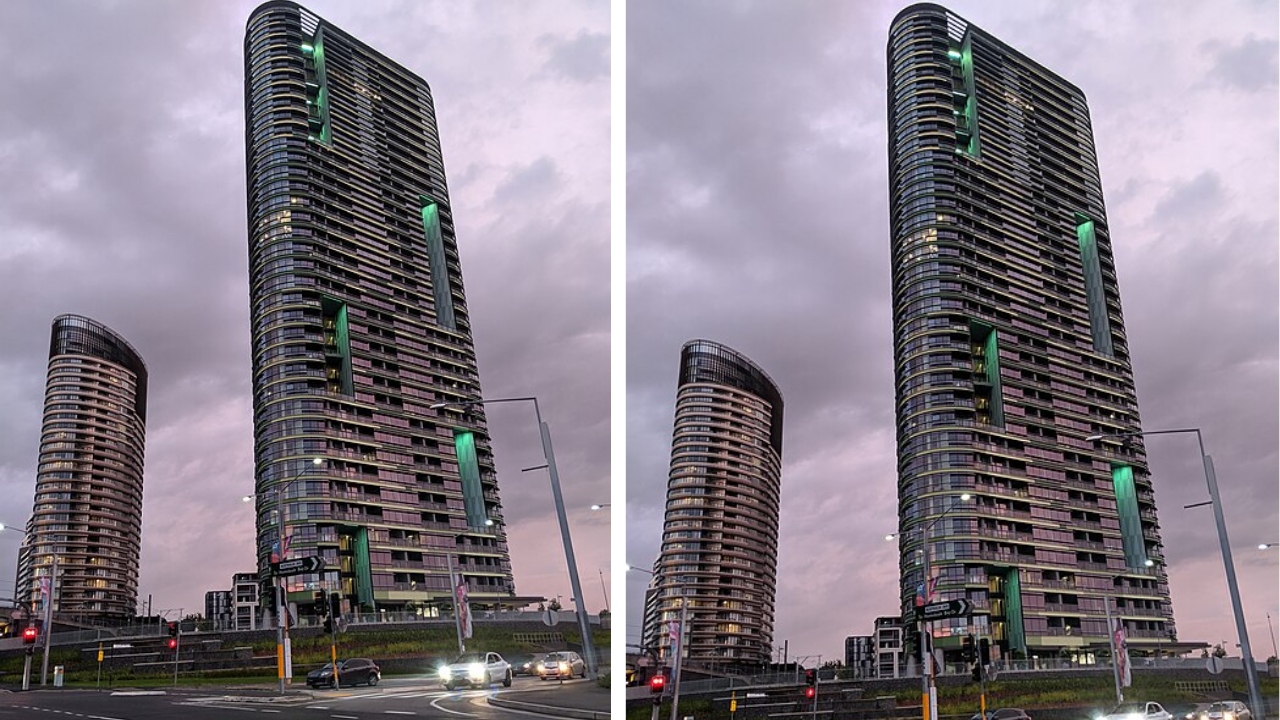
Imagine packing your bags for Christmas dinner, only to be told you can't go home because your brand-new apartment building might collapse. That is precisely what happened on December 24, 2018, to thousands of residents living in Sydney's Opal Tower. A loud bang echoed through level 10, a concrete crack split a wall, and panic instantly replaced holiday cheer. Nearly eight years later, the dust has finally settled. The 36-storey tower at Sydney Olympic Park has been officially declared 100% defect-free. But getting to this milestone required a multi-million-dollar war, grueling legal battles, and a complete overhaul of how Australia handles construction.
Most media coverage treats the final ribbon-cutting ceremony as a neat Hollywood ending. It isn't. The real story involves years of psychological stress, exploding insurance premiums, and a systemic failure of accountability that caught regulators completely flat-footed.
The Christmas Eve Nightmare That Shook Sydney
When police knocked on doors at Opal Tower on that Tuesday afternoon in 2018, they weren't guessing. The building had shifted by one to two millimeters, triggering severe cracking in internal precast panels and hob beams. More than 3,000 people from the tower and surrounding zones were turfed out into the summer heat.
Families spent Christmas Day in short-term rentals and hotels. Some residents wouldn't return to their homes for nearly a year. Trust evaporated overnight. People had poured their life savings into a shiny new property built by Icon and backed by the Sydney Olympic Park Authority, only to find themselves pawns in a high-stakes blame game.
An independent government investigation later laid out a sobering cocktail of errors. Certain hob beams—short concrete elements supporting wall panels—were simply under-designed against standard building codes. Joints between structural components were only partly grouted, and concrete strength on level 4 fell below specifications. While investigators maintained the building was fundamentally sound, the local failures were catastrophic enough to threaten structural integrity.
The Brutal Financial and Legal Aftermath
Fixing concrete is straightforward. Fixing broken trust and navigating liability is messy. The builder, Icon, alongside its parent company Kajima, poured more than $50 million into structural rectification work. Yet, the physical repairs were only half the battle.
Owners faced a secondary nightmare. Building insurance premiums skyrocketed from roughly $100,000 in 2018 to over $1 million by 2020. Meanwhile, the legal wrangling dragged on for years. A class action was launched against the Sydney Olympic Park Authority, while the owners corporation launched its own separate action after discovering more than 500 additional defects.
Everything ultimately converged in complex settlements, including a Supreme Court ruling in late 2022 that capped litigation funder fees. For everyday apartment buyers, the lesson was brutal: when things go wrong in high-density housing, you are in for a long, expensive fight.
How Opal Tower Permanently Changed Australian Construction
If there is a silver lining to the Opal Tower crisis, it is that the entire regulatory framework of New South Wales had to grow up. The disaster exposed a wild-west culture of self-regulation and lax oversight.
In response, the New South Wales government introduced sweeping legislative reforms, including the creation of the State Building Commissioner, the Design and Building Practitioners Act, and strict compliance powers. These laws introduced statutory duties of care, meaning developers and builders can no longer hide behind corporate shells or complex subcontracting chains when things fall apart.
Today, Opal Tower carries a 20-year structural warranty—far exceeding the statutory six-year requirement. It even walked away with the Champion Award at the NSW Apartment Awards for Excellence, a symbolic turnaround for a building once written off as a lemon.
The eight-year saga proves that while concrete can be patched and buildings can be made safe, shortcuts in construction leave scars that last a decade. If you are buying off-the-plan today, remember that shiny brochures mean nothing without genuine accountability on the ground.
Opal Tower declared defect-free after eight-year nightmare | 7News
This video provides a direct look at the final resolution and community reaction following the eight-year structural remediation process at Opal Tower.