Capital allocation in maritime research requires navigating a high-fixed-cost asset class where revenue models rarely align with traditional commercial shipping. When independent operators acquire or commission specialized tonnage—such as a 65-foot research yacht—they face a distinct set of economic friction points, operational constraints, and logistical bottlenecks. Examining this asset class reveals how micro-fleets manage the transition from recreational interest to operational utility.
Asset Acquisition and the Capital Expenditure Baseline
The primary constraint in marine research operations is the capital expenditure (CapEx) required to transition a recreational hull into a compliant, blue-water survey platform. A 65-foot vessel occupies a specific operational envelope: large enough to sustain a multi-member crew for extended offshore deployments, yet small enough to avoid the regulatory thresholds imposed on commercial ships exceeding specific tonnage or length limits.
The baseline acquisition cost is compounded by refit expenditures. Standard commercial or recreational yachts lack the infrastructure necessary for scientific data acquisition. Upgrading these platforms involves three core capital drains:
- Power Generation and Redundancy: Scientific payloads—ranging from acoustic Doppler current profilers to sonar mapping systems and water-sampling rosettes—require uninterrupted, clean electrical power. Standard marine generator sets must be supplemented with dedicated inverter banks and isolated bus bars to prevent electronic noise from corrupting sensor data.
- Dynamic Positioning and Station-Keeping: Conducting precise oceanographic sampling requires holding position against wind, swell, and current without deploying permanent ground tackle. Retrofitting bow and stern thrusters integrated with GPS-based station-holding software represents a significant structural modification.
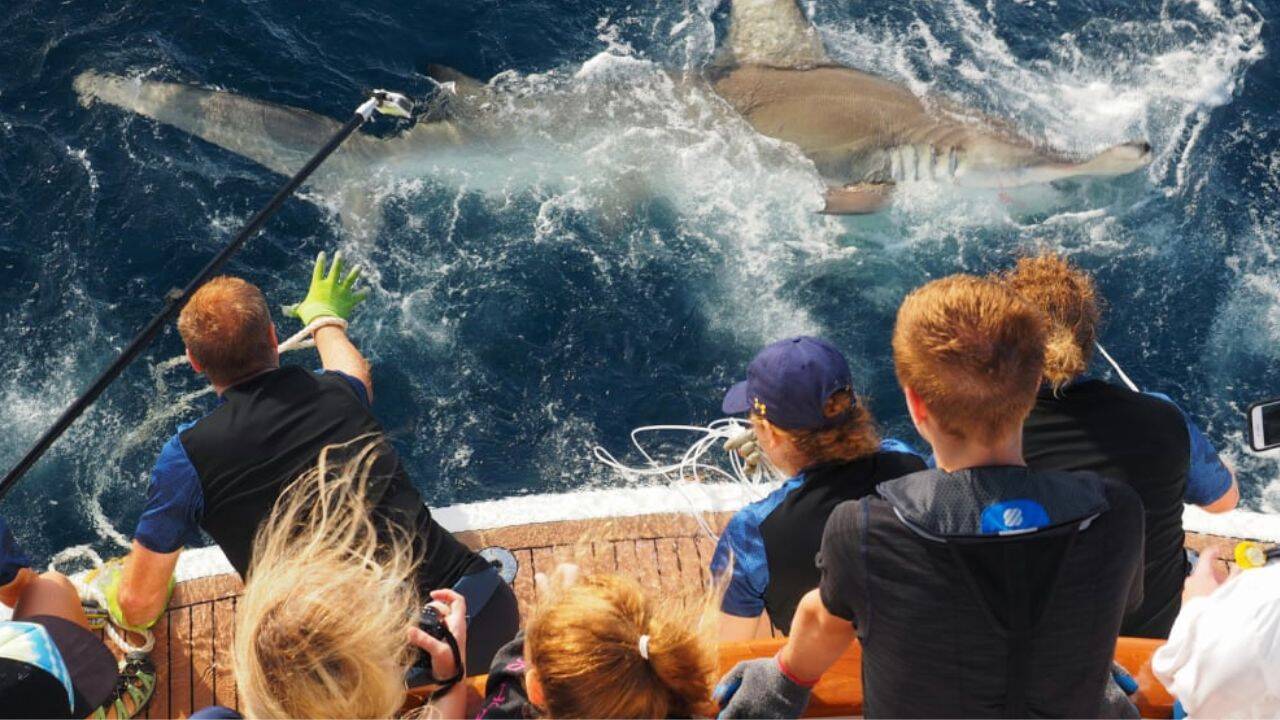
- Deck Machinery and Handling Equipment: Deploying heavy instrumentation over the side demands rated A-frames, oceanographic winches, and hydraulic crane systems. The structural reinforcement of the deck and bulwarks to handle point loads from winches is an engineering challenge that dictates drydock duration.
Operating Expenditure (OpEx) Dynamics and Burn Rates
Once the asset is operational, the ongoing cost structure is dominated by fixed overhead rather than variable transit costs. Understanding the operational burn rate requires isolating the major expense categories that dictate financial viability.
Fuel Consumption and Hull Efficiency
At displacement speeds required for acoustic survey work (typically 8 to 10 knots), fuel consumption is relatively stable, governed by hull speed limitations. However, transit legs at planing or semi-displacement speeds exponentially increase hourly fuel burn. The installation of fuel management systems and optimized propeller pitch is critical to extending range.
Regulatory Compliance and Classification
Operating a vessel for scientific research often blurs the line between private yacht management and commercial vessel operations. Flag state regulations dictate safety equipment, fire suppression systems, and stability documentation. Maintaining compliance with international maritime standards (such as MCA code or equivalent local authorities) requires annual outlays for safety audits, life raft recertification, and drydock inspections.
Crewing Models and Labor Constraints
A 65-foot platform operates within a lean-crewing paradigm, typically requiring a professional master, an engineer/deckhand, and scientific personnel. Unlike larger institutional research vessels operated by academic or governmental bodies, private entities must cross-train crew members. The master must often manage navigation while overseeing data acquisition, and the engineering resource must handle mechanical maintenance at sea without the backing of an shoreside shipyard team.
Data Acquisition Efficiency and Logistical Bottlenecks
The operational objective of a research yacht is maximizing uptime for data collection. This metric—often defined as operational hours per voyage day—is frequently compromised by environmental and logistical friction.
+-------------------------------------------------------------+
                   Operational Friction Points
+-------------------------------------------------------------+
| Weather Windows ---> Limits deployment of over-side gear    |
| Port Logistics   ---> Consumes transit time for resupply     |
| Maintenance      ---> Mitigated by redundant system design  |
+-------------------------------------------------------------+
Weather Windows and Sea State Limitations
A 65-foot LOA (Length Overall) vessel has limited displacement and inertia compared to a 200-foot research ship. Consequently, its operational envelope is highly sensitive to wave action. Sea states exceeding specific Beaufort scale thresholds make the deployment of sensitive towed arrays or water-column profiling equipment hazardous, resulting in mandatory weather downtime.
Supply Chain and Port Logistics
Operating away from primary marine infrastructure introduces severe latency into the maintenance schedule. When a critical pump, sensor, or hydraulic line fails in a remote location, lead times for diagnostic parts can halt operations. Autonomous operation models therefore require an onboard inventory of high-failure-rate spares and redundant subsystems.
Scaling Models for Independent Research Platforms
Operators seeking to transition from a lifestyle asset to a self-sustaining research platform must adopt specific economic models to offset operational costs. Pure philanthropy or private wealth subsidization represents a fragile financial foundation; long-term viability requires integration into the broader marine science economy.
Charter and Grant-Driven Utilization
To amortize high fixed costs, independent vessels frequently utilize a mixed-model approach:
- Academic Charter Agreements: Leasing vessel time to university departments or institutional researchers who secure grant funding for ship time.
- Private-Public Partnerships: Collaborating with environmental non-governmental organizations (NGOs) and corporate entities seeking baseline oceanographic data for environmental impact assessments.
- Citizen Science Integration: Offsetting costs through participatory research models where paying crew members assist with watchstanding and basic data entry, mirroring commercial expedition models.
Strategic Forecast for Small-Tonnage Research Assets
The economic viability of sub-100-foot research vessels relies on specialization. As institutional budgets shift away from maintaining aging, expensive large-scale fleet assets toward agile, lower-cost deployment models, independent platforms gain a competitive advantage in shallow-water, coastal, and semi-sheltered marine environments.
Future optimization in this sector will depend on the integration of autonomous surface vehicles (ASVs) and unmanned aerial vehicles (UAVs) launched from the primary vessel. By expanding the data collection footprint without increasing crew size or fuel burn, a 65-foot platform can achieve the scientific output historically reserved for vessels twice its size, fundamentally altering the cost-per-data-point equation in marine research.