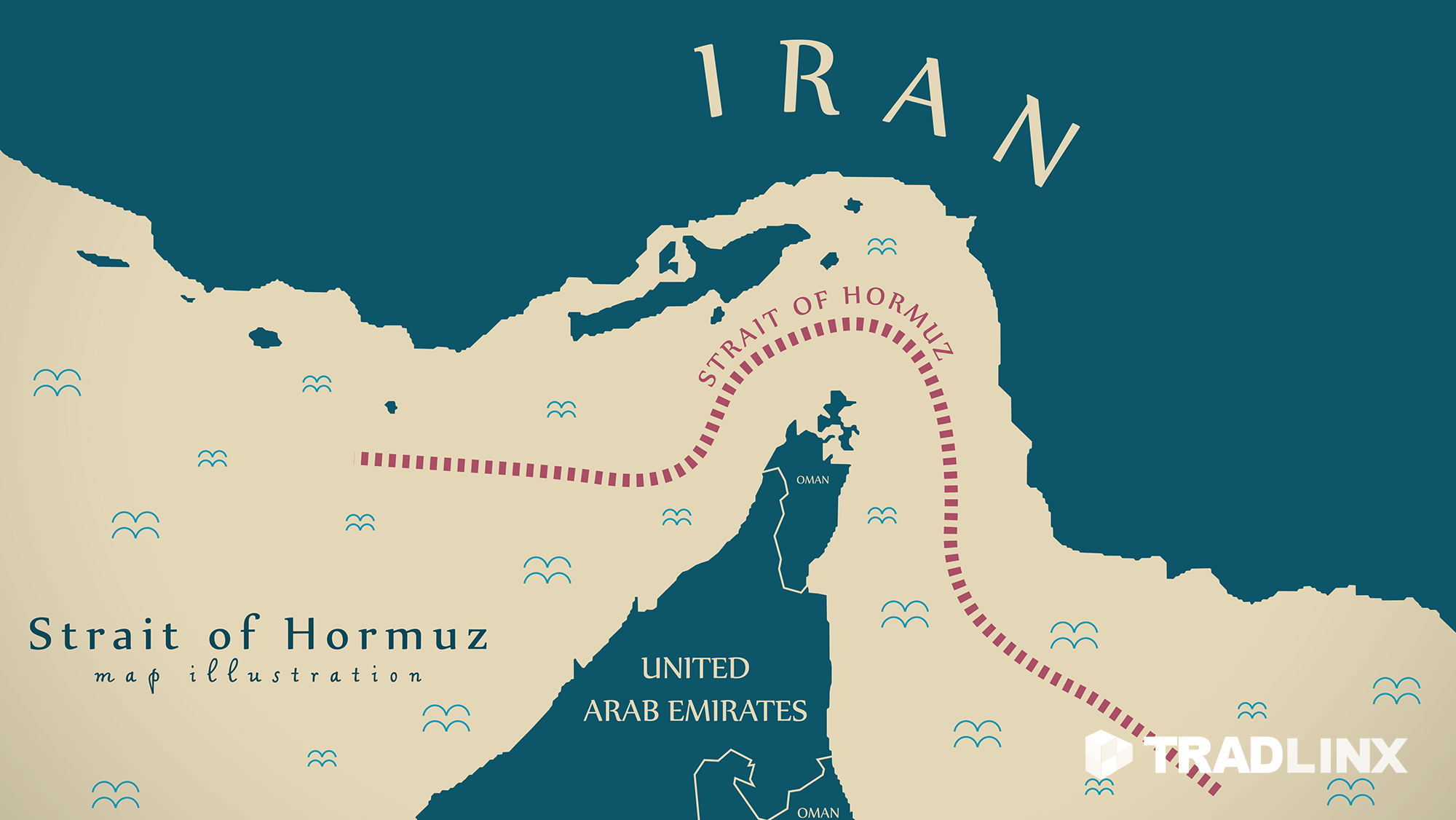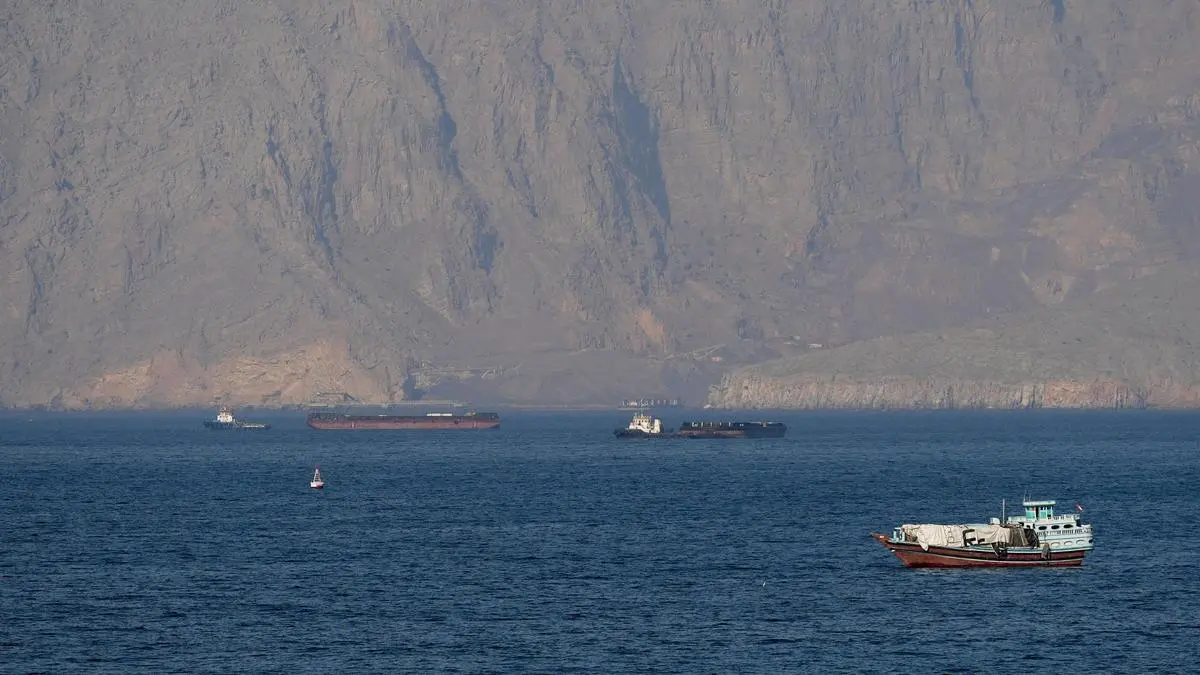
The deployment of Project Freedom represents a shift from passive maritime monitoring to an active kinetic escort architecture designed to solve a specific bottleneck in global energy markets. While media reports focus on the diplomatic tension between Washington and Tehran, the actual utility of this mission depends on the mathematical reality of the Strait of Hormuz: a 21-mile-wide transit point where approximately 20% of the world’s liquid petroleum passes daily. The U.S. strategy seeks to de-risk this corridor by altering the cost-benefit calculus for Iranian interdiction forces, moving from a reactive "search and rescue" posture to a preemptive "shielded transit" model.
The Triad of Maritime Interdiction Risk
To understand why Project Freedom is being initiated, one must first categorize the specific threats that have rendered standard insurance premiums for tankers unsustainable. The disruption of the Strait is not a singular event but a tiered hierarchy of operational friction.
- Asymmetric Boarding Actions: Small, fast-attack craft (FAC) belonging to the IRGC Navy utilize speed and numbers to overwhelm a single tanker’s security detail. This is a low-cost, high-visibility tactic designed to seize assets for political leverage.
- Sub-Surface and Mine Warfare: The physical geography of the Strait—specifically the narrow shipping lanes—makes it a prime environment for moored or drifting mines. The "detection-to-neutralization" window in these waters is exceptionally tight.
- Anti-Ship Missile (ASM) Envelopes: Land-based batteries along the Iranian coastline create a persistent threat profile where the flight time of a supersonic missile is measured in seconds, not minutes.
Project Freedom addresses these through a concept known as "Distributed Lethality." By integrating destroyers, littoral combat ships, and unmanned aerial surveillance into a unified data link, the U.S. Navy aims to create a continuous protective bubble around high-value targets. This is not merely about having guns on ships; it is about the integration of sensor data to negate the Iranian advantage of proximity.
The Cost Function of Escort Operations
The primary constraint of Project Freedom is the massive disparity in resource expenditure between the escort and the interdictor. This is the "Asymmetric Cost Trap." A single IRGC fast-attack craft costs a fraction of the fuel required for an Arleigh Burke-class destroyer to maintain a 24-hour station.
The Logistics of the Escort Chain
The U.S. Navy cannot escort every vessel. Therefore, Project Freedom operates on a prioritization matrix based on three variables:
- Flag State Vulnerability: Ships flying flags of nations without significant naval presence are targeted more frequently.
- Cargo Criticality: Crude oil tankers (VLCCs) and Liquefied Natural Gas (LNG) carriers receive tier-one priority due to their impact on global Brent Crude pricing.
- Transit Timing: Night transits and periods of low visibility increase the difficulty of visual identification, requiring higher reliance on Aegis combat systems.
The second limitation is the "Station Keeping" requirement. For an escort to be effective, it must maintain a specific geometry relative to the tanker. If the escort is too close, it loses the ability to maneuver against incoming projectiles; if too far, it cannot intercept boarding craft in time. Project Freedom utilizes a staggered formation where unmanned surface vessels (USVs) act as the "outer crust," providing early warning, while manned hulls provide the kinetic response.
Structural Failures in Iranian Deterrence Theory
The Iranian "Grey Zone" strategy relies on ambiguity—acting just below the threshold that would trigger a full-scale conventional war. By formalizing Project Freedom, the U.S. is attempting to "crystallize" the zone. When a naval asset is physically tethered to a commercial tanker, the ambiguity of an interdiction disappears. Any move against the tanker becomes a direct move against a U.S. sovereign asset.
This creates a new bottleneck for Iran. They must either:
- Escalate: Attack a U.S. warship, which risks total destruction of their naval infrastructure.
- Retreat: Allow the tankers to pass, thereby losing their primary geopolitical lever.
- Innovate: Shift to cyber-physical attacks or "spoofing" GPS coordinates to lure ships into territorial waters.
The U.S. Central Command (CENTCOM) is betting that Iran will choose the third option, which is why Project Freedom includes a heavy electronic warfare (EW) component. The goal is to harden the navigation systems of commercial vessels against "meaconing"—the interception and rebroadcasting of navigation signals to provide a false position.
The Insurance and Economic Feedback Loop
The success of Project Freedom will not be measured by the number of ships Iranian forces fail to capture, but by the "War Risk" premiums set by London-based underwriters. Currently, the "Strait of Hormuz Surcharge" adds significant overhead to every barrel of oil.
A successful escort program stabilizes these costs by reducing the "Probability of Loss" (PoL) variable in the insurance equation. However, if an escort vessel itself is damaged or if a tanker is hit despite the presence of Project Freedom, the economic fallout would be exponential. The presence of the U.S. Navy effectively "underwrites" the transit, but it also creates a single point of failure. If the shield is pierced once, the entire psychological deterrent of the mission collapses.
Technical Architecture of the Escort Bubble
The operational core of Project Freedom is the Link 16 tactical data network. This allows for a "Common Operational Picture" (COP) where a drone five miles away can feed targeting data directly to a destroyer's weapons system.
- Layer 1: Aerial Surveillance: MQ-9 SeaGuardian drones provide persistent overhead persistence, identifying IRGC craft as they leave their ports in Bandar Abbas.
- Layer 2: Surface Screening: USVs equipped with high-resolution cameras and hydrophones monitor the immediate perimeter of the tanker.
- Layer 3: Kinetic Deterrence: Destroyers positioned in the "High-Threat Sector" of the shipping lane, ready to deploy 5-inch guns or Phalanx CIWS (Close-In Weapon Systems).
This layered approach is designed to counter "Swarm Tactics." When thirty small boats approach from different angles, a single ship's sensors can become saturated. By distributing the sensor load across multiple nodes (drones, USVs, and other ships), Project Freedom prevents "Target Fixation" and ensures that every threat is tracked simultaneously.
Strategic Forecast and the Pivot to Kinetic Stability
The introduction of Project Freedom marks the end of the "Tanker War" status quo. By moving to a formalized escort model, the U.S. has signaled that the Strait of Hormuz is no longer a zone of "negotiable sovereignty."
The immediate tactical move for regional players will be to test the ROE (Rules of Engagement) of Project Freedom. Expect a "Probe and Pulse" phase where Iranian FACs move aggressively toward the escort perimeter to see exactly where the U.S. draws the line for opening fire. The stability of the global energy market now rests on the precision of those ROEs. If they are too restrictive, the escort is a paper tiger; if too aggressive, a minor navigational error could spark a regional conflict.
The strategic play is to maintain this high-intensity escort posture until "Integrated Maritime Security" partners (like the UK, South Korea, and Japan) contribute enough hulls to make the presence permanent. This is not a temporary surge; it is the establishment of a semi-permanent maritime highway that bypasses regional geopolitical volatility through raw naval mass and integrated sensor networks.