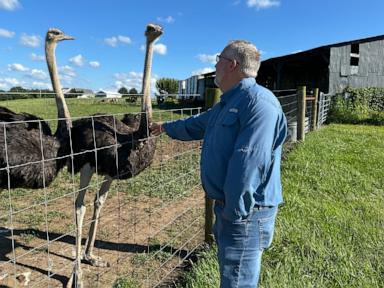
The media loves a neat little fable. A cattleman gets bitten by a lone star tick, contracts alpha-gal syndrome, loses his ability to eat a cheeseburger, and pivots to breeding giant, bad-tempered African ratite birds to fill the void. Cue the heartwarming string music. It sounds like an inspirational featurette designed to go viral on morning television. It is also an absolute distraction from the messy reality of agricultural economics and biological shifts.
Let us clear up the core misconception right out of the gate. Alpha-gal syndrome—the mammalian meat allergy triggered by Amblyomma americanum—is framed as a dietary quirk solved by exotic proteins. If you cannot eat beef, pork, or lamb because your immune system targets the galactose-alpha-1,3-galactose sugar molecule, just swap a steer for a 350-pound flightless bird. Problem solved, right?
Wrong. This romanticized pivot ignores why industrial food systems exist in the first place: scale, infrastructure, and supply chain physics.
I have watched greenhorns throw venture capital at alternative livestock operations believing they have found a clever loophole in human biology. They ignore the foundational rule of animal husbandry. Scaling a non-traditional protein source requires an entire ecosystem of processing plants, feed optimization, veterinary protocols, and consumer education that simply does not exist for ratites. Beef processing is a finely tuned, highly consolidated machine operating at millions of head per year. Ostrich processing is a logistical nightmare of custom-built slaughter facilities, specialized restraining equipment, and terrifyingly high bird mortality rates during transport.
To understand why the backyard ostrich hustle is a dangerous blueprint for actual food security, look at the math. A cow produces massive yields of predictable, standardized cuts with decades of genetic optimization behind every pound. An ostrich is a dinosaur with feathers, an erratic temperament, and a nasty habit of kicking forward with a claw strong enough to disembowel a coyote. You do not just "get into ostrich farming" because you missed a medium-rare ribeye. You enter a high-mortality, hyper-niche slaughter market with razor-thin margins and near-zero consumer product placement on mainstream grocery shelves.
The lazy consensus tells you that alternative meats are booming because of niche dietary restrictions. The uncomfortable truth is that structural allergies like alpha-gal are exposing the fragility of our reliance on mammalian agriculture, but replacing cows with ostriches is like replacing your car's flat tire with a wooden wagon wheel. It is novel, it moves, but it completely misses the engineering standard required for modern survival.
Consider the epidemiological reality. Lone star tick populations are expanding northward and westward, driven by warming winters and dense deer populations. Millions of people are walking around with silent antibody sensitization to alpha-gal. If even one percent of those individuals develop full-blown clinical symptoms, the market demand cannot be met by backyard bird operations. Relying on boutique ratite farms is a lifestyle blog solution to a systemic public health crisis.
If you actually have alpha-gal syndrome, stop looking for clever workarounds in the exotic meat aisle. The real fix requires confronting the broader tick vectors destroying your local ecosystem, scrutinizing hidden mammalian derivatives in processed foods, pharmaceuticals, and cosmetics, and accepting that poultry, finfish, and plant-based staples are your immediate baseline.
Stop romanticizing the billionaire-rancher-turned-ostrich-pioneer narrative. Stop looking for magical dietary loopholes to bypass an immunological rewiring of your body. The biological shift is permanent, and the infrastructure to replace mammalian meat with giant African birds is a fantasy.