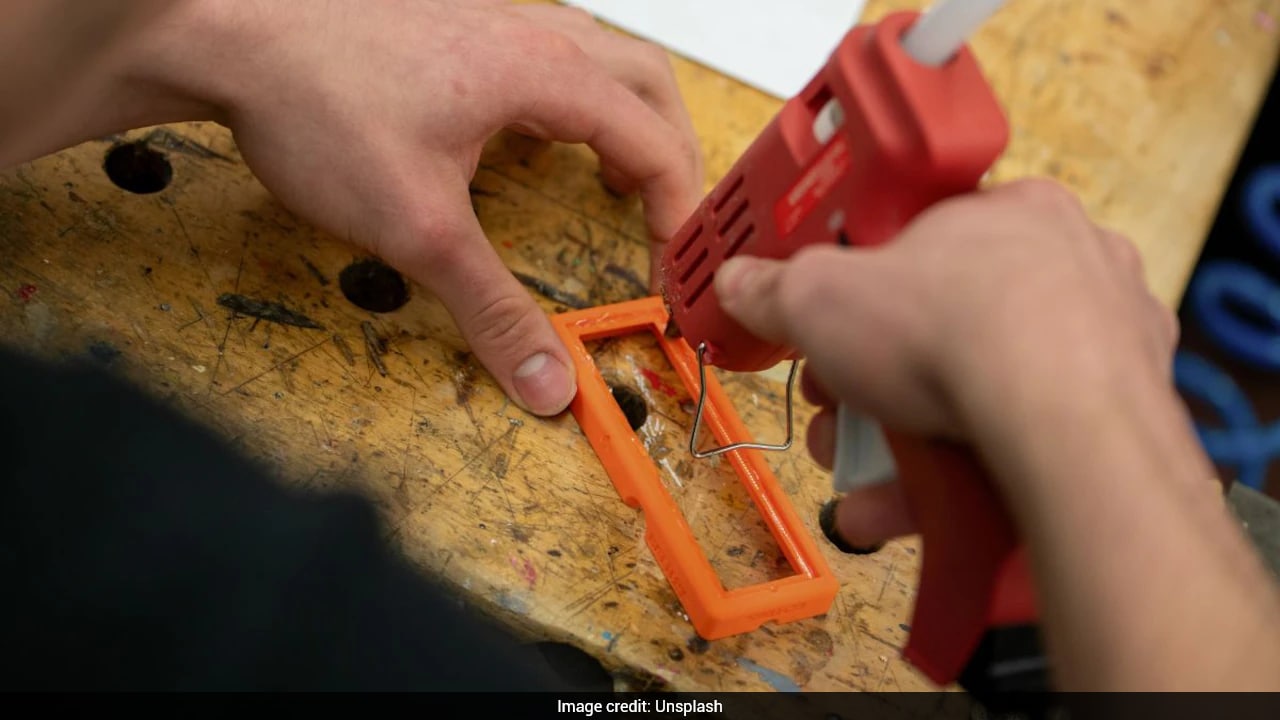
The media wants a simple villain. When news broke that a preschool teacher in China allegedly used a hot glue gun on a four-year-old child's lip, the internet did exactly what it was programmed to do. It exploded with predictable, superficial fury. The teacher was suspended. An investigation was launched. The public collective conscience marked the box for "justice served" and moved on to the next piece of outrage bait.
This reaction is lazy. It focuses entirely on individual malice while completely ignoring the structural rot that makes these incidents inevitable.
Suspensions do not fix broken systems. Firing a single stressed, underpaid, and poorly vetted worker does absolutely nothing to protect the next classroom of children. The outrage machine treats these horrifying events as isolated anomalies—monsters slipping through the cracks. The reality is much darker. The cracks are the system.
The Myth of the Isolated Monster
Every time a headline drops about daycare or preschool abuse, the playbook is identical. The institution issues an apology. The local authority promises a deep dive. The perpetrator is vilified.
This hyper-focus on individual culpability is a comfortable lie. It allows parents, administrators, and policymakers to pretend that the environment itself is safe, barring the arrival of a bad actor.
I have spent years analyzing organizational behavior and institutional risk management. When a system relies entirely on the flawless moral character of its lowest-paid employees to prevent catastrophe, that system is already broken. Early childhood education centers globally, not just in Asia, operate on razor-thin margins. They face massive turnover, abysmal pay, and non-existent psychological screening for staff.
Imagine a scenario where a commercial airline hired pilots based solely on a quick background check, paid them minimum wage, forced them to fly 14 hours straight with 30 rowdy passengers, and provided zero mental health support. When a plane crashes, would you blame only the pilot? Or would you look at the executive suite that engineered the pressure cooker?
The Economics of Classroom Cruelty
Let us look at the brutal numbers driving this sector.
- The Turnover Crisis: Average annual turnover in early childhood education hovers between 30% and 40%. You cannot build a stable, safe culture when nearly half your staff replaces itself every twelve months.
- The Pay Discrepancy: In many regions, dog groomers and parking attendants earn a higher hourly wage than the people tasked with keeping toddlers alive and socialized.
- The Ratio Trap: Dictating that one adult can safely manage a room of fifteen four-year-olds for eight hours straight is a mathematical fantasy. It is not care; it is crowd control.
When you underpay, undervalue, and overwork a workforce, you do not attract elite educators. You attract desperation. Sometimes, you attract predators. Most often, you attract ordinary people who break under conditions of chronic, unmediated stress.
Dismantling the Illusion of Regulatory Oversight
People ask, "Where were the regulators?" or "Why did the background check fail?"
These questions assume that regulation is a shield. It is not. It is a paper trail.
A background check only catches people who have already been caught. It does not measure emotional resilience. It does not flag an impending psychological break. A completely clean record does not mean a candidate is safe; it just means they lack a criminal history. Relying on bureaucratic rubber stamps to guarantee child safety is a form of collective delusion.
[Traditional Oversight Model]
Background Check -> Bureaucratic Approval -> Zero Real-Time Monitoring -> Inevitable Crisis

[Systemic Risk Model]
Continuous Psychological Audits + Low Ratios + High Compensation = Inherent Stability
True oversight requires observation, peer review, and structural redundancies. If a teacher is alone in a room long enough to heat up a glue gun and assault a child without immediate intervention from a colleague, that facility has failed its fundamental design requirement. Isolation is the incubator of abuse.
The Counter-Intuitive Truth About "Zero Tolerance"
Every institution loves to brag about its "zero-tolerance policy." It sounds tough. It looks great on a corporate brochure or a government press release.
In practice, zero-tolerance policies often make environments more dangerous.
When an organization punishes every minor infraction or sign of burnout with immediate termination, it drives stress underground. Teachers stop asking for help. They hide their inability to cope. They cover up minor incidents out of fear, allowing toxic situations to escalate until they reach a boiling point that hits the national news.
A resilient system does not pretend that workers never reach their limit. It expects them to. It builds relief valves. It allows a teacher to raise their hand and say, "I am losing my mind today, I need to step out," without fearing they won't be able to pay rent next week.
Stop Asking for Better People; Demand Better Architecture
The solution to classroom safety is not a more rigorous vetting process or a longer checklist of rules. The solution is physical and operational architecture that removes the opportunity for unchecked escalation.
- Eliminate Solo Classrooms: No single adult should ever be left alone with a group of children behind a closed door. Co-teaching models must become the non-negotiable baseline, regardless of the cost to the bottom line.
- Open-Architecture Design: Walls should be glass. Spaces must be shared. If every square inch of an environment is subject to the casual gaze of peers and passersby, the opportunity for physical abuse drops to near zero.
- Radical Compensation Upgrades: If you want professionals who can handle the intense psychological demands of early childhood development, you have to pay professional-grade salaries. If a school's business model cannot support that, the school should not exist.
The downside to this approach is obvious: early childcare will become vastly more expensive. It will force a complete restructuring of how society funds early education. But the alternative is maintaining the current system—a system that keeps prices low by gambling with the physical safety of children and acting shocked when the bill occasionally comes due in the form of a horrific headline.
Stop participating in the hollow ritual of public outrage. The suspended teacher is a symptom of a market that values cheap care over human dignity. Until the structural economics change, the glue guns will keep warming up.