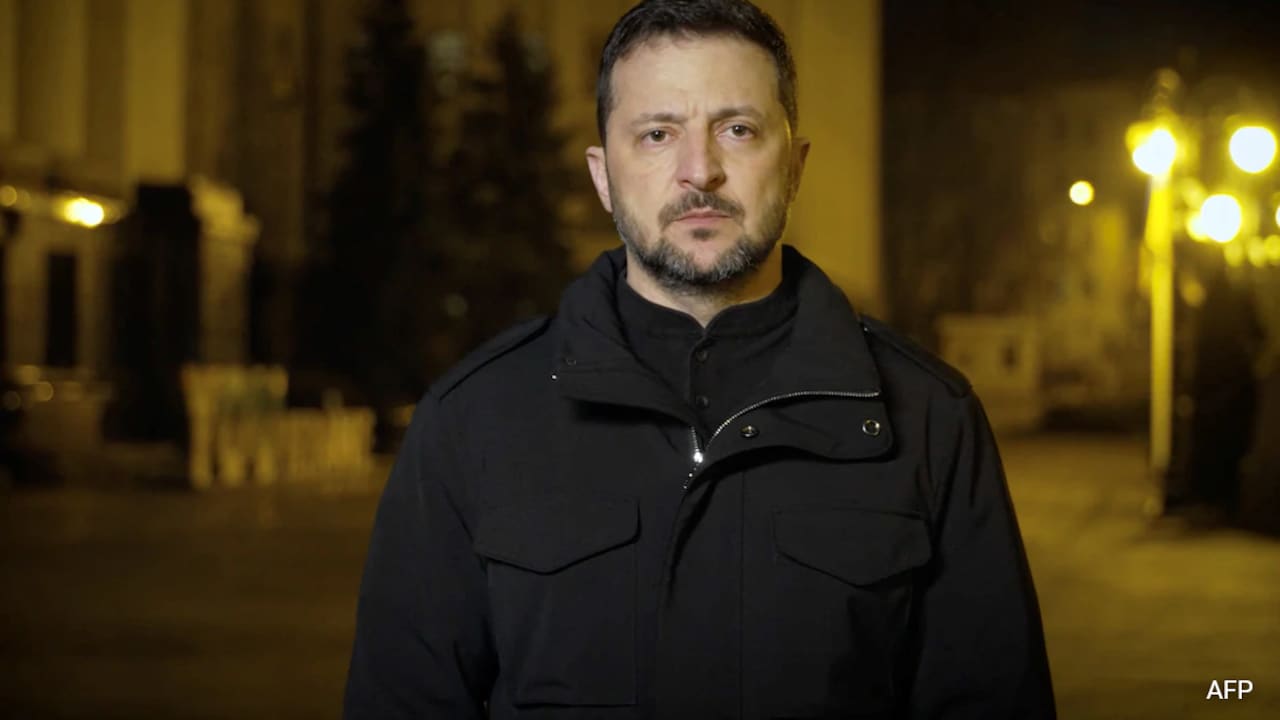
A federal jury in Los Angeles found Jonathan Rinderknecht guilty on November 20, 2026, in the Palisades arson retrial, convicting him on two federal charges tied to the devastating January 2025 wildfire that killed 12 people.
The verdict is a massive turning point after the first trial ended in a mistrial earlier in 2026. It also settles the central courtroom question over who lit the fuse on one of the most destructive blazes in Los Angeles history.
Yet a conviction doesn't erase the grief, displacement, or lingering arguments over how a localized brush fire turned into a catastrophe. For anyone watching wildfire justice, emergency response, or California insurance recovery, this case raises hard truths that go way beyond a single defendant.
How the Palisades Arson Retrial Flip Happened
Most news summaries treat a retrial like an instant replay with better luck for prosecutors. Honestly, that misses what actually happened inside the courtroom.
During the first trial earlier in 2026, jurors deadlocked 10-2 in favor of acquittal, resulting in a mistrial. When the second trial began with jury selection on November 2, 2026, prosecutors came back with a tighter indictment and a sharper strategy.
They dropped one charge and refined the remaining two counts, adjusting Rinderknecht's maximum statutory exposure from 45 years to 40 years. They also shifted away from leaning heavily on a sweeping "societal revenge" narrative against the wealthy and focused harder on timeline, movement, and digital forensics.
Key elements that shaped the retrial included:
- Charges and verdict: Jurors convicted the 30-year-old former rideshare driver on one count of destruction of property by means of fire and one count of arson affecting property used in interstate commerce.
- Deliberation arc: After roughly two to two-and-a-half days of deliberations following an 18-day proceeding, the jury returned a unanimous guilty verdict on both counts.
- Sentencing date: Rinderknecht is scheduled to be sentenced on March 17, 2027, facing a statutory range of five to 40 years in federal prison.
One juror, identified in media reports as Cameron, told reporters he started out as the lone holdout for not guilty before hearing all the evidence and testimony. Even when a case looks familiar on paper, small shifts in how evidence is organized can flip a room.
Digital Footprints and Holdover Fire Science
If you've ever wondered how investigators prove someone sparked a wildland fire days before a windstorm blows it into neighborhoods, this case lays out the exact mechanics.
Prosecutors argued that Rinderknecht intentionally started an initial blaze—the Lachman Fire—which firefighters worked to contain before it smoldered underground and reignited in fierce Santa Ana winds on January 7, 2025, becoming the Palisades Fire. That holdover-fire theory is crucial. A fire can look knocked down on the surface while heat persists deep in duff, roots, or soil.
To link Rinderknecht to the origin area, prosecutors pointed to photographs showing his car parked near the base of a trail leading up to where the fire started, alongside cellphone tower data tracking his movements on the hill. Fire detection camera images helped narrow the ignition window, while experts worked to rule out alternative causes like fireworks.
Then there was the digital trail after the flames started. Prosecutors noted that Rinderknecht called 911 more than a dozen times as he walked down the hill and introduced a screen recording showing him asking ChatGPT whether someone is at fault if a fire is lit because of cigarettes. Prosecutors argued those actions were part of an effort to build an alibi, while Rinderknecht maintained his innocence and the defense argued fireworks or insufficient evidence raised reasonable doubt.
Juror Cameron later pointed to Rinderknecht's own testimony as decisive—specifically his account of being on the hill, not smelling fire or seeing fireworks, and saying no one else was up there that night. That kind of self-contradiction under cross-examination is brutal in front of a jury.
Why Blame and Accountability Still Clash in Pacific Palisades
Here's the part where I have to be candid: a criminal conviction answers legal guilt, not every question about why the damage reached historic scale.
First Assistant U.S. Attorney Bill Essayli called the verdict a milestone that answered who was responsible for sparking what became the Palisades Fire. Yet residents and local officials stressed that one man's conviction doesn't erase system-level questions or bring back lost homes and lives.
Pacific Palisades resident Jackie Adams voiced concern about putting all blame on one person when institutional and system failures also played a role. Los Angeles City Councilwoman Traci Park called the outcome a "mixed bag," noting that thousands of people remained displaced even 22 months after the fire and that recovery work remains unfinished.
Meanwhile, Rinderknecht's father argued his son was treated as a scapegoat in an emotionally charged case. And in a bizarre twist reported in late November 2026, a separate fire hit NBA figure Chris Bosh's Texas property days after a private investigator tied to Bosh's Pacific Palisades home had been barred from testifying in the retrial—a reminder that internet rumors move faster than verified facts, even though officials noted no connection between Bosh and the California wildfire conviction.
When you're dealing with a disaster that burned tens of thousands of acres and thousands of structures, people naturally look for one simple cause. Wildfire disasters rarely have just one. Ignition, fuel moisture, wind, suppression tactics, and urban-wildland planning all collide.
Practical Steps for Residents, Property Owners, and Watchers
Whether you live in a high-risk wildland-urban interface zone, track California wildfire litigation, or are still sorting out post-2025 recovery, waiting passively isn't a strategy. Take a few concrete steps right now:
- Follow official docket and victim updates, not rumor threads: If you're tracking the case or victim resources, rely on primary filings and statements from the U.S. Attorney's Office for the Central District of California ahead of the March 17, 2027 sentencing.
- Audit your defensible space and ember hardening early: Don't wait for red-flag warnings or Santa Ana wind forecasts. Check guidelines from CAL FIRE and clear dry vegetation, roof debris, and vents well ahead of peak fire weather.
- Keep an up-to-date home inventory and policy file: Store photos, serial numbers, and insurance declarations off-site or in the cloud so rebuilding or claim disputes don't start from scratch after an evacuation.
- Separate verified facts from social media speculation: High-profile trials attract viral theories fast. Always cross-check claims against court records and official agencies before sharing them.