The Headline Panic Trap
Every time an outbreak hits Central Africa, the global media machine spins up a predictable, lazy narrative.
Children tragically lose their lives. Sirens wail. Headlines scream about unstoppable devastation.
The standard report points the finger solely at the pathogen, treating the region like a helpless victim waiting for outside saviors.
That framing is not just incomplete. It is dangerously wrong.
When 330 young lives are lost in the Democratic Republic of Congo, the tragedy extends far beyond a biological agent.
The real killer is systemic fragility, institutional failure, and a global response model that focuses on theatrical interventions rather than structural repair.
If we keep blaming the virus alone, we will watch the exact same tragedy repeat itself next year.
Dismantling The Contagion Myth
Epidemiology is rarely just about virology. It is about logistics, trust, and infrastructure.
When a community distrusts medical workers, outbreaks spread. When clean water is a luxury, sanitation protocols fail before they start.
The conventional narrative assumes that people in rural Congo are simply unlucky victims of geography and bad biology.
That perspective ignores decades of economic exploitation, crumbling healthcare infrastructure, and the erosion of local public health systems.
A virus does not operate in a vacuum. It exploits poverty. It feeds on broken supply chains. It thrives where governments fail to invest in basic human needs long before an infection arrives.
Focusing entirely on the microscopic enemy allows corrupt local officials and slow-moving international organizations to dodge accountability.
The Economics Of Outbreak Response
Billions of dollars flow into international health interventions during a crisis.
Private foundations and global agencies rush to ship vaccines, set up temporary treatment centers, and deploy foreign experts.
Yet, when the cameras leave and the active emergency is declared over, the funding dries up.
Clinics close. Nurses go unpaid. Surveillance systems rot.
Imagine a scenario where wealthy nations spent a fraction of those emergency response billions on permanent, locally managed sanitation and primary healthcare networks in Kivu and Equateur.
The infection rates would plummet.
Instead, the global health industry profits from emergency cycles. Prevention is boring. It does not generate dramatic press releases or prompt urgent donor checks.
Response is loud, visible, and photogenic. Prevention requires quiet, sustained investment in local capacity.
Restoring Trust On The Ground
Medical intervention fails without community consent.
History shows that heavy-handed containment measures often backfire when implemented by outsiders who do not speak the local languages or understand cultural nuances.
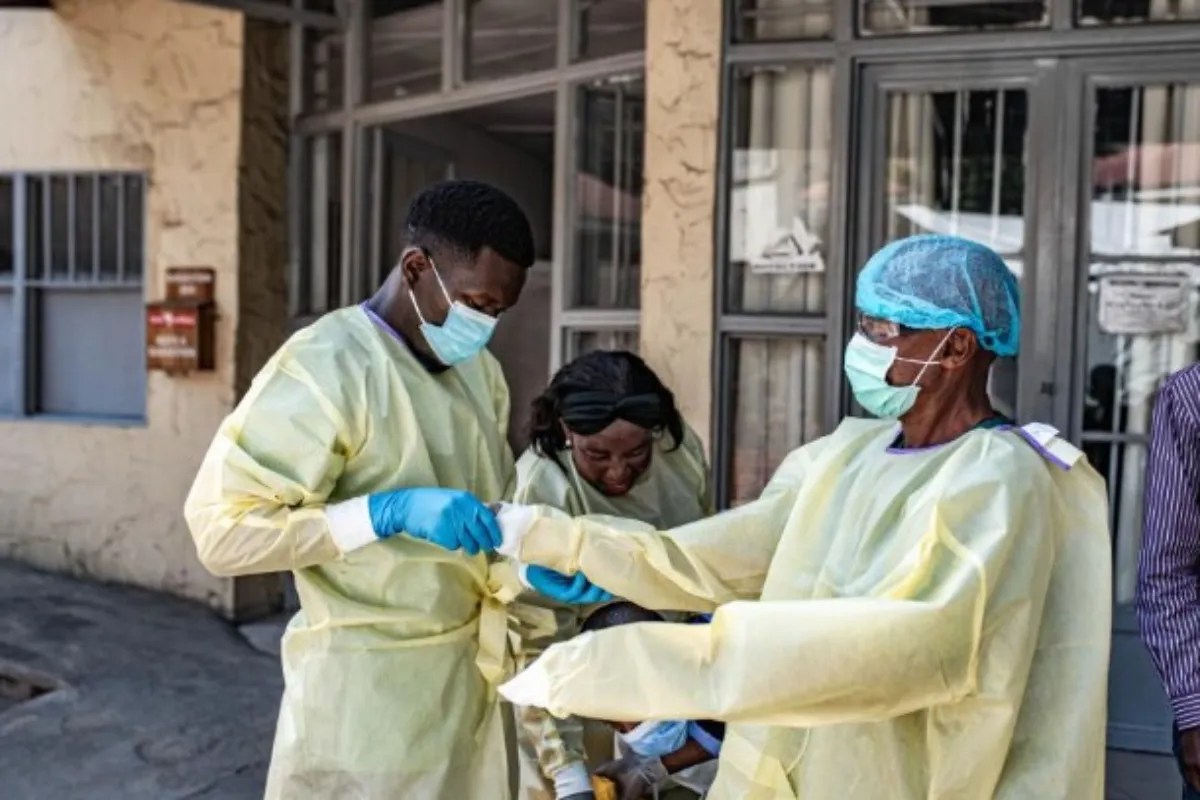
When armed guards enforce isolation, families hide their sick children. When treatment centers look like military quarantine zones, people choose to die at home.
True public health requires decentralized power. It means handing resources and decision-making authority directly to local doctors, nurses, and community leaders who already possess the trust of the population.
Until the international community stops treating Congolese health workers as field assistants and starts treating them as equal strategic directors, interventions will continue to face fierce resistance.
Stop Funding Band-Aids
We need to stop praising emergency response frameworks that only kick in after hundreds of children are already in graves.
That is not success. That is damage control masquerading as heroism.
The hard truth is that international agencies are addicted to crisis management because it justifies their existence.
True reform means shifting every available dollar from reactive deployment to proactive infrastructure.
Clean water grids. Reliable electricity for refrigeration. Permanent training programs for rural clinicians. Fair compensation for frontline healthcare workers.
If you want to protect children in Congo, stop waiting for the next outbreak to open your wallet.
Build the foundation today, or prepare to write the exact same obituary tomorrow.