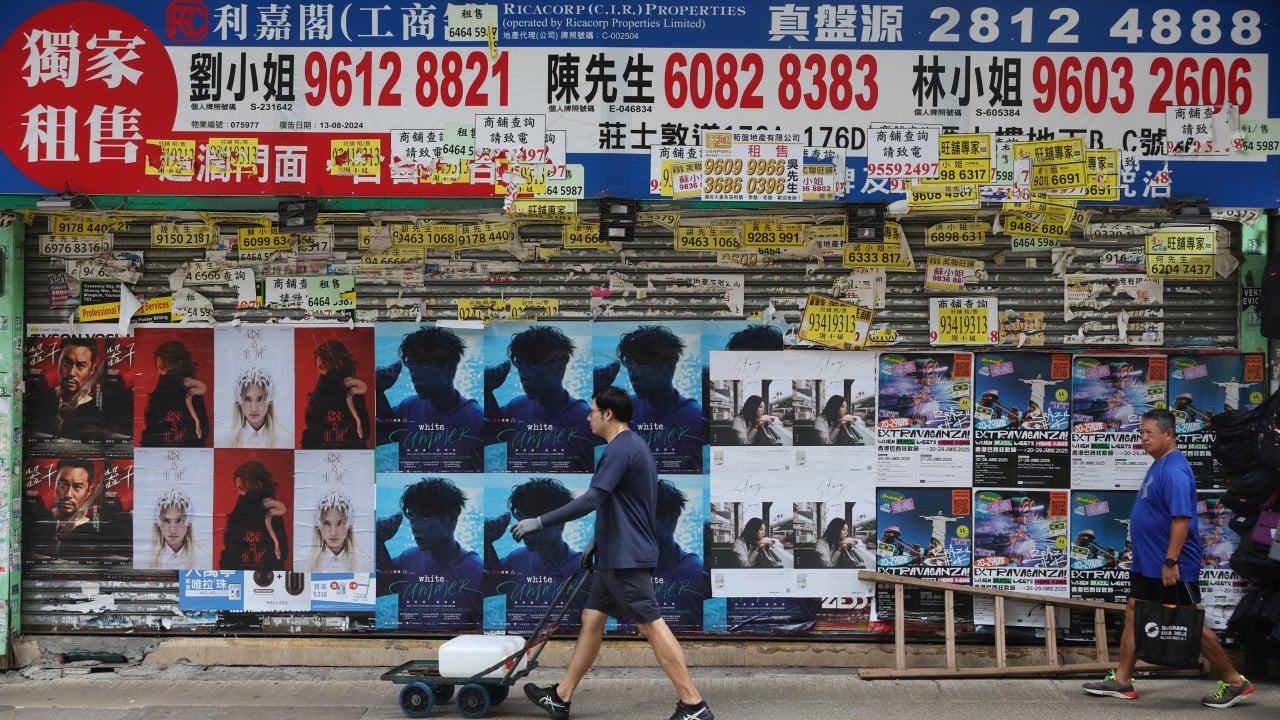
The metal shutter of a small boutique in Mong Kok does not slide up with a smooth hum. It screeches. It is a heavy, rusted protest against the dawn, a sound that Mrs. Chan has listened to every morning for twenty-three years. She wipes a layer of fine grey dust from her countertop, her joints aching from the damp humidity that clings to the concrete of Kowloon.
Outside, the street is quiet. Too quiet.
A decade ago, this pavement was a river of humanity. Shoppers from Shenzhen, Guangzhou, and beyond jostled shoulder-to-shoulder, their rolling suitcases clacking like castanets against the pavement, stuffed to the brim with cosmetics, luxury watches, and designer sneakers. Today, the suitcases are gone. The footsteps are lighter, faster, and far less frequent.
Yet, on the desk of a corporate landlord thirty stories above Central, the view is entirely different. On those sleek glass desks, the spreadsheets tell a story of triumphant recovery. Graphs point upward. Retail sales figures show marginal percentage gains. Tourism arrivals are rising on paper. From the heights of a skyscraper, the city looks cured.
This is the silent war currently playing out across Hong Kong’s retail grid. It is a friction between those who live the economy on the ground and those who calculate it from the clouds.
The View From the Pavement
To understand why Hong Kong’s shops are pleading for rent relief, one must look at the change in how people spend.
For years, the city operated on a simple, incredibly lucrative formula. High-spending tourists crossed the border, paid premium prices, and went home. This massive influx of capital inflated commercial rents to some of the highest levels on earth. A tiny, thousand-square-foot shoe shop in Causeway Bay could command a monthly rent that would buy a suburban house in many Western countries.
Shop owners paid it. They grumbled, but they paid, because the sheer volume of sales justified the cost.
Then came the silence. The pandemic closed the borders, but even after they reopened, the old crowd did not return. Or rather, they returned, but they changed.
The new wave of mainland tourists is younger, more budget-conscious, and seeking experiences over expensive leather goods. They come to take photos on high-angle staircases in Central for social media. They buy a bottle of water from a convenience store, snap a selfie under a neon sign, and go home. They do not buy luxury watches.
Worse for local shopkeepers, Hong Kong's own residents are fleeing the city every weekend.
Just across the border lies Shenzhen, where food, entertainment, and shopping cost a fraction of Hong Kong prices. On any given Friday night, the high-speed rail trains and border checkpoints are packed with hundreds of thousands of locals heading north. They spend their salaries in Shenzhen malls, leaving Hong Kong's own dining and retail districts ghostly quiet.
Mrs. Chan sees this empty space every weekend. Her regular customers, the families who used to buy her handmade garments, now send her photos of their cheap weekend hauls from malls across the border.
"I don't blame them," she says, her fingers tracing the edge of a silk scarf. "Everything is cheaper there. But my rent didn't drop to match Shenzhen prices. It stayed right here."
The Logic of the Ledger
When retail tenants ask for rent cuts, or at least a temporary freeze, they are met with a wall of corporate optimism.
Landlords look at the macro data. The government reports that visitor arrivals have bounced back to millions per month. Hotel occupancy rates are respectable. The stock market fluctuates, but major conglomerates report stable earnings. From a purely statistical standpoint, the crisis is over.
But a spreadsheet cannot measure the desperation of a business owner whose average transaction value has plummeted by half.
To a property developer, lowering rents is not just a matter of helping a struggling tenant. It is a dangerous precedent that directly affects the valuation of the building itself. Commercial property values are calculated based on rental yields. If a landlord slashes Mrs. Chan's rent by thirty percent, the paper value of the entire building drops by millions of dollars.
For a developer with massive bank loans secured against those properties, that paper loss is catastrophic. It could trigger margin calls from lenders.
So, they hold the line. They argue that the market is improving, pointing to the return of international brands signing new leases in prime spots. They offer minor concessions, perhaps a month of free rent disguised as a marketing promotion, but they refuse to lower the base rate. They wait for the market to catch up to their valuations.
This creates a bizarre paradox. Empty storefronts sit dark for months, sometimes years, covered in colorful vinyl advertisements promising a "new concept store coming soon." Landlords would rather let a prime space sit empty than lease it at a discount that would devalue their portfolio.
The Human Cost of High Rent
This standoff is transforming the very identity of Hong Kong.
The city was built on its chaotic, vibrant street life. It was a place where a Michelin-starred noodle joint could exist next to an artisanal hardware store, which sat next to a family-run herbal tea shop. That wild, unpredictable variety was what made Hong Kong feel alive.
Now, the high rents are sanitizing the streets.
Only massive corporate chains, fast-food conglomerates, and international luxury brands can survive the financial pressure. The quirky, the historic, and the independent are systematically squeezed out. When a local family business closes after fifty years, it is not just a business failure. It is a piece of the city's soul being erased.
Consider the neighborhood of Sham Shui Po, traditionally a working-class district known for electronics and textiles. Even here, the pressure is mounting. Gentrification brings hip coffee shops, but the old fabric merchants are finding their lease renewals impossible to sign.
The owner of a small button shop, who asked to be identified only as Mr. Lau, explained the arithmetic of his quiet despair.
"Every month, I need to sell twenty thousand buttons just to pay the rent," he says, gesturing to the floor-to-ceiling drawers of colorful plastic and metal fasteners. "That does not include electricity. It does not include my inventory. It does not include my own food. Twenty thousand buttons. Some days, I sell fifty."
His landlord recently offered a renewal contract with a eight percent rent increase, citing the "improving economic climate" and new residential high-rises down the road. Mr. Lau plans to close his doors next month. He has no successor. His children have seen the toll the shop has taken on his health and want no part of it.
The Mirage of Recovery
The debate between tenant and landlord is ultimately a debate about the future of Hong Kong's identity.
Is the city still a global shopping paradise, or has that era passed? If the consumers have changed, the retail ecosystem must change with them. Yet, the structures that govern the city's real estate remain rigid, designed for a high-yield, high-growth era that may not return for a very long time.
Some landlords argue that the current pain is temporary, a mere transition phase as the city reposition itself. They believe that once mega-events, concert halls, and new harborfront developments are fully operational, the high-spending tourists will return.
But for the shopkeepers on the ground, the transition phase is a lifetime. They do not have the financial runway to wait out a five-year repositioning plan. They live month-to-month, invoice-by-invoice.
The rift is not just about money. It is about a fundamental misunderstanding of what makes a city prosperous. A city of empty, high-rent boutiques is a monument to paper wealth, but it is a desert for the people who actually live there.
As night falls over Mong Kok, Mrs. Chan prepares to close her shop. She has made three sales today, barely enough to cover the electricity bill, let alone her share of the rent. She looks across the street at a vacant lot where a beloved bakery used to stand. The glass is covered in dusty posters.
She pulls down her heavy metal shutter. The screech echoes down the emptying street, a sharp, metallic cry that no one in the high towers of Central is close enough to hear.