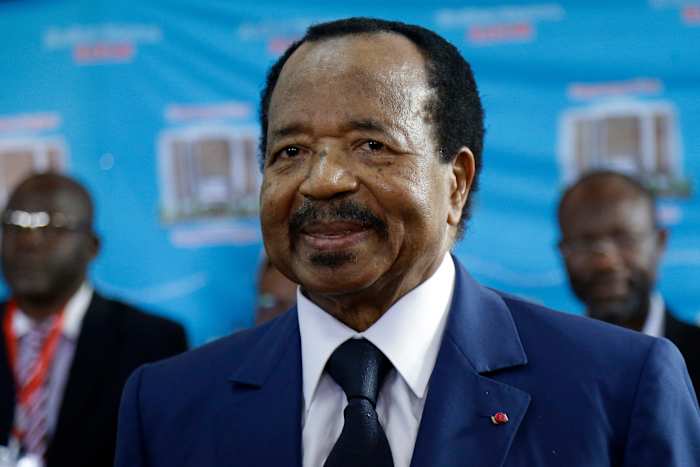
Planes touch down in Yaoundé, but nobody steps out to face the cameras. That routine defines modern political mystery in Central Africa.
President Paul Biya recently arrived back in Cameroon after spending more than ten weeks out of the country. Official channels called his June departure a brief private stay in Europe. Citizens saw it differently. At ninety-three years old, the world's oldest sitting president has turned routine European getaways into international guessing games about his mortality and the stability of his administration.
The Politics of Absence
When a head of state vanishes to Geneva for over two months, speculation fills the vacuum. Biya has held power since 1982. Over four decades, he perfected a style of governance that relies heavily on distance. He rules from afar. Cabinet members and close family handlers manage day-to-day affairs while the president resides abroad.
Critics call it running the country on autopilot. Supporters call it steady leadership. But the absence leaves dangerous gaps.
Cameroon faces severe real-world challenges. Armed insurgencies grind on in the northern and western regions. The economy stagnates, leaving millions of young citizens fighting for basic financial survival. More than seventy percent of the population is under thirty-five. They have known only one president their entire lives. Watching an octogenarian leader jet off to Switzerland for months at a time does little to inspire confidence among a frustrated youth demographic.
Succession Without a Successor
The constitutional architecture of Cameroon guarantees anxiety during every prolonged absence. The country lacks a designated vice president who holds independent power. While parliament reinstated the vice-presidential post recently, the office remains entirely dependent on Biya's personal appointment and dismissal whims.
Nobody knows who comes next because the system is built to prevent anyone from preparing for tomorrow.
When Biya secured his controversial eighth term, street protests erupted and left at least sixteen people dead. Those numbers reflect deep societal fractures. Citizens aren't just worried about a fragile pulse. They worry about the chaotic scramble that will follow an unmanaged transition.
The Airport Arrival Blueprint
Conspiracy theories thrive on secrecy. Thursday's arrival at Yaoundé Nsimalen International Airport followed a familiar script. Security forces locked down key routes. Supporters lined the streets with ruling party placards. Biya's motorcade rolled away while the man himself remained hidden inside the vehicle, offering nothing more than a quick wave through tinted glass.
No press conference followed. No medical records surfaced. State television broadcasted archival footage mixed with brief glimpses of a waving hand.
This opaque strategy keeps opposition leaders guessing, but it deepens the political fatigue gripping the nation.
Governments cannot run indefinitely on rumor control and hidden itineraries. As long as power remains concentrated in the hands of an aging executive who prefers European medical retreats to local governance, Cameroon will lurch from one health panic to the next. The plane has landed, but the core instability of the system remains unchanged.