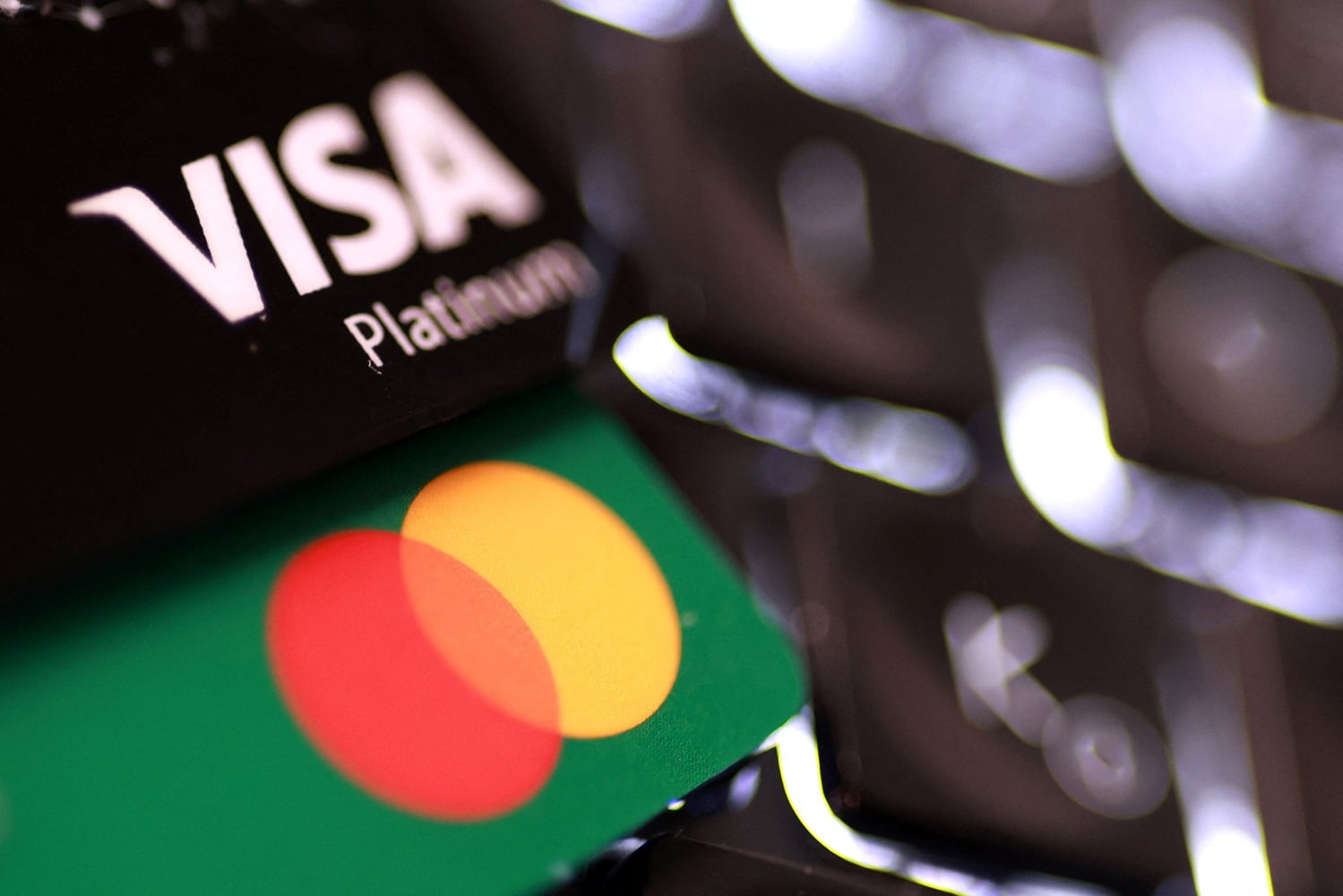
If you're planning a trip to Havana or trying to run a business with ties to the island, everything just changed. Cuba is officially halting all Visa and Mastercard transactions on June 6.
The Central Bank of Cuba dropped this bombshell after an unnamed foreign bank abruptly cut ties with Fincimex, the state-backed financial institution handling these massive credit card networks. The reason? A powerful new wave of US sanctions designed to cut off the island’s economic lifelines.
Many travelers think their European or Canadian credit cards will shield them from US policies. They won't. This move cuts deep, and it hits far beyond the standard political posturing. If you are going to Cuba, relying on plastic is no longer an option.
Why the System Collapsed
This isn't a technical glitch. It's a direct result of Executive Order 14404, signed by US President Donald Trump on May 1. The directive effectively tells international financial institutions to choose between doing business with the United States or doing business with Cuba.
The specific target here is GAESA, the massive military-aligned conglomerate controlling roughly 40% of the Cuban economy. Fincimex happens to be the financial arm of GAESA. When Washington tightened the screws on the conglomerate, the foreign intermediary bank processing Visa and Mastercard payments realized the risk of facing secondary US sanctions was too high. They walked away to protect their own access to the global financial system.
The Cuban Central Bank called this a strategy of economic suffocation. Politics aside, the immediate reality for everyday people and travelers is a sudden return to a strict cash economy.
What Still Works on the Island
You can't use your standard international credit or debit cards at a hotel, restaurant, or government shop starting June 6. The networks are dark. However, the island isn't completely cut off from electronic payments. You just need to know which specific systems are left standing.
- Russian Mir Cards: Cuba integrated the Russian Mir payment system recently. If you hold a Mir card, it still functions at automated teller machines and designated point-of-sale terminals.
- Chinese UnionPay: The UnionPay network remains operational across the island, providing another alternative for travelers from regions where these cards are common.
- National Prepaid Cards: Travelers can purchase local prepaid cards at institutional exchange offices (CADECA) upon arrival using physical cash.
The Reality of Cash in Cuba
Cash is king again. If you travel to Cuba now, you must bring enough hard currency to cover your entire stay. Euros, Canadian dollars, and British pounds are highly valued.
US dollars are accepted in informal spaces, but changing them at official venues can attract heavy penalties or unfavorable rates. Bring clean, un-torn bills. Merchants and exchange bureaus frequently reject notes with minor creases or marks.
Calculate your budget carefully before boarding the plane. Once you land, there's no emergency backup fund waiting in your bank account. If you run out of cash, family members abroad cannot easily wire you money through traditional services since Fincimex handles those channels too.
The Broader Economic Shockwaves
The credit card freeze is just one part of a bigger economic storm hitting the country. The US has maintained a strict energy blockade since January, which already paralyzed major domestic industries. Cuba currently produces only about 40% of its own energy needs, leading to rolling blackouts and fuel shortages.
Major international corporate players are fleeing. Spain’s Meliá and Iberostar, two hotel giants that managed properties alongside GAESA for decades, announced partial or total withdrawals. Canadian mining firm Sherritt, historically the largest foreign investor on the island, also pulled out to avoid getting caught in the crossfire of US Treasury penalties.
How to Prepare Your Next Steps
Don't panic, but change your strategy immediately if you have upcoming travel or business plans.
First, contact your tour operator, airline, or accommodation provider right now. Confirm if they can accept pre-payment online before you leave your home country. Many international agencies process payments through European accounts completely separate from the Cuban domestic system.
Second, map out your cash requirements. Factor in lodging, food, transport, and a significant emergency buffer.
Third, monitor local embassy updates. The financial rules on the ground are shifting rapidly as the Cuban government scrambles to find new international banking partners willing to defy the Washington pressure campaign. For now, pack your wallet with physical bills and leave the credit cards at home.