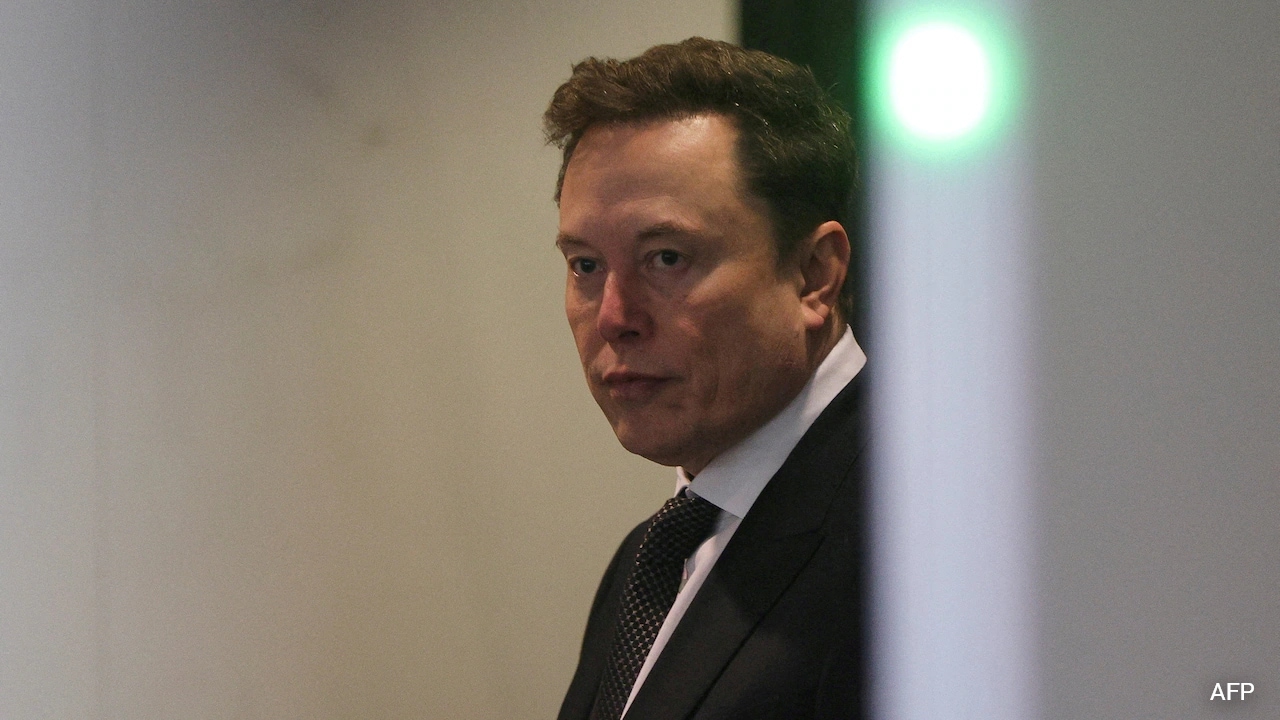
Elon Musk just walked away from a multi-year federal investigation with what amounts to pocket change.
On Wednesday, US District Judge Sparkle Sooknanan formally signed off on a $1.5 million settlement between the billionaire and the Securities and Exchange Commission (SEC). The deal closes the book on claims that Musk intentionally delayed disclosing his massive stake in Twitter back in 2022 to buy up shares on the cheap.
If you think this is a decisive victory for market integrity, you're missing the bigger picture. Even the judge who rubber-stamped the deal openly admitted she had serious issues with it.
The Math Behind a $150 Million Discount
The core of the SEC's case was simple math and bad timing. Under federal securities laws, any investor who buys up more than 5% of a company's stock has exactly 10 days to tell the public. Musk crossed that line in March 2022 but waited an extra 11 days to file the paperwork.
During those 11 days of silence, he kept buying.
Because the market had no idea the world's richest man was aggressively hoarding Twitter stock, the share price stayed low. Regulators calculated that this stealth shopping spree saved Musk a cool $150 million. Once he finally disclosed his 9.2% stake, the stock skyrocketed.
Under the terms of this newly approved settlement, Musk pays $1.5 million. He doesn't admit to any wrongdoing. Crucially, he gets to keep every single dollar of that alleged $150 million savings.
Why the Federal Judge Had Significant Misgivings
Judge Sooknanan didn't hold back her frustration during the Washington, D.C. court proceedings. She noted that the settlement raised distinct "red flags" and left her with "significant misgivings".
So why did she approve it?
Legally, her hands were tied. A federal judge's role in evaluating regulatory settlements is surprisingly narrow. She only had to determine if the agreement met the bare minimum standards of fairness and reasonableness. It isn't the court's job to renegotiate the fine or force a trial if both sides decide to shake hands.
In a punchy written statement, Sooknanan basically deflated the idea that the justice system solved the problem. She remarked that it is ultimately up to the public to decide at the ballot box whether the SEC did enough to hold the billionaire accountable.
A Long History of Regulatory Feuds
To understand why the SEC settled for what amounts to a 1% penalty on Musk's alleged savings, you have to look at their exhausting legal history. This isn't their first rodeo. It's just the latest chapter in a bitter, seven-year war.
- The 2018 Funding Secured Debate: Musk claimed on Twitter he had the funds to take Tesla private at $420 a share. The funding wasn't real, the market went nuts, and it cost him $20 million and his chairman seat to settle.
- The Twitter Deposition Battle: When the SEC started digging into the 2022 Twitter stock purchases, Musk outright skipped scheduled depositions, forcing federal judges to order him to sit down and talk.
- The Political Backlash: The SEC filed this specific lawsuit in January 2025, mere days before the Biden administration left office. Musk's team immediately labeled the case a politically motivated hit job, pointing out his close ties to the incoming Trump administration.
Musk's legal strategy has always been to push back, delay, and outspend. His attorney, Alex Spiro, wasted no time celebrating the approval, stating that Musk had been cleared of all issues regarding the late filings.
The Cost of Doing Business
Corporate defense lawyers see this outcome as a classic example of asymmetric warfare. For an average hedge fund manager, a $1.5 million penalty and a public tongue-lashing from a federal judge would be a career-ending disaster. For a man worth hundreds of billions, it's just a transaction cost.
If you're an ordinary retail investor looking for a level playing field, this settlement is tough to swallow. It creates a weird precedent where breaking disclosure timelines can net you a massive profit, even after you pay the fine.
The SEC got a headline saying they penalized Elon Musk. Musk got to keep his cash and close a painful legal chapter. The legal system gets to move on to the next crisis. Just don't confuse this compromise with absolute accountability.