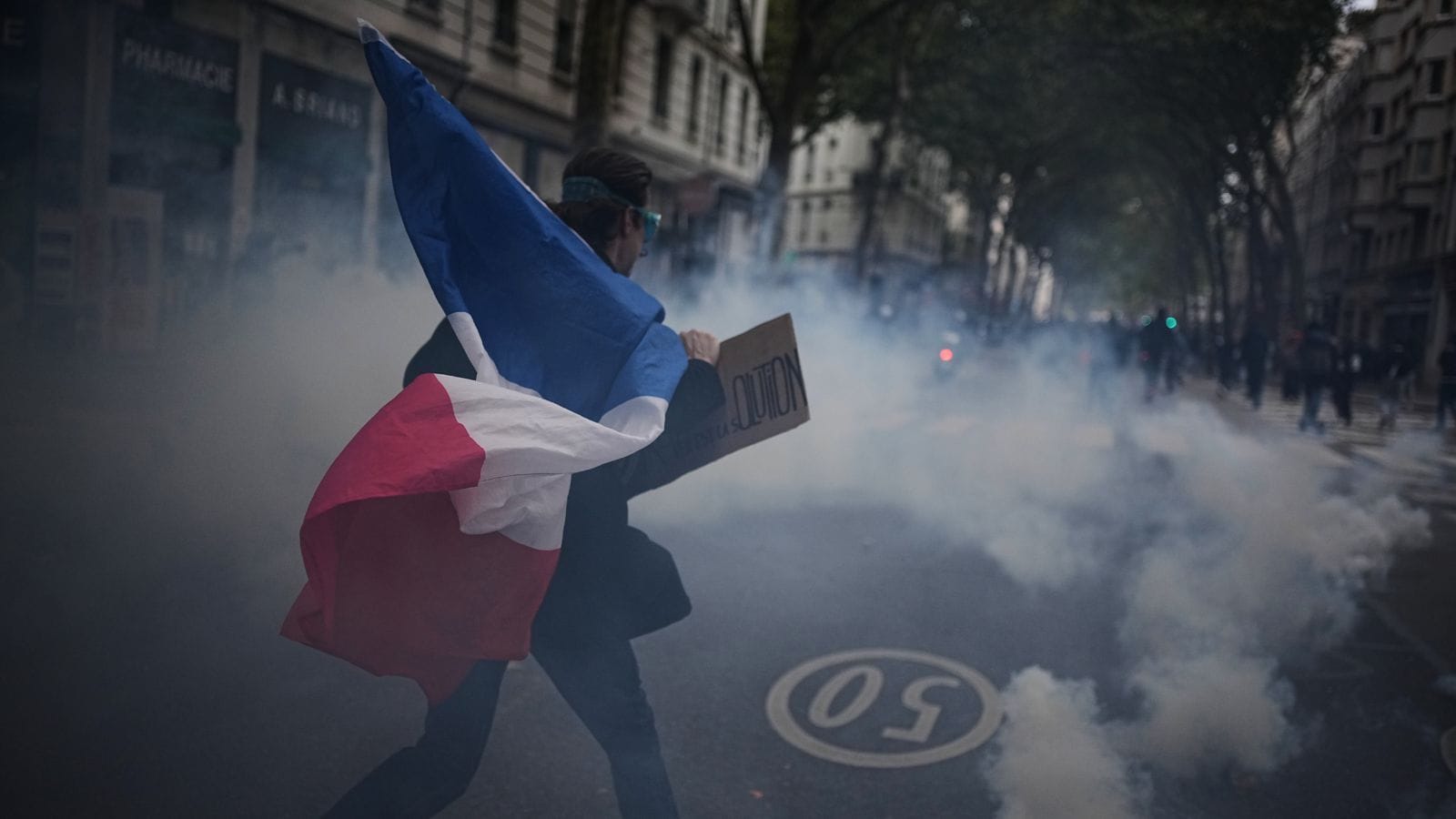
75 fires. 24 looted shops. 1,314 arrests in a single weekend.
When numbers like that hit your feed, it's easy to assume France is tearing itself apart at the seams. Most headlines stop right at the shock value. They throw out the raw police totals, mention that the Prime Minister is meeting with students, and leave you thinking the entire country is just burning randomly.
That's a lazy read of what's actually happening on the ground.
If you've ever watched French street politics up close, you know the difference between an organized union march, a student blockade, and the casseurs—the black-bloc rioters who show up at dusk just to smash storefronts and light barricades. Lumping all of them together misses the whole point. The weekend's toll of 1,314 arrests and dozens of fires isn't just random chaos; it's the predictable boiling point of a specific political standoff that's been building for months.
Let's break down what those numbers actually mean, why the Prime Minister sitting down with student leaders is a massive deal, and what's really driving people into the streets.
Breaking Down the Weekend Numbers
Stop and look at the Interior Ministry's figures again. 1,314 arrests across one weekend is huge, even by French standards. During the height of the Yellow Vest (Gilets Jaunes) movement back in December 2018, police detained roughly 1,700 people nationwide on a single Saturday—and that was considered a historic peak. Seeing 1,314 arrests in one weekend tells you two things immediately.
First, the unrest isn't confined to Paris. You don't rack up over a thousand detentions and 75 separate fires unless demonstrations are flaring up simultaneously in cities like Lyon, Nantes, Rennes, Bordeaux, and Marseille. Regional flashpoints stretch riot police (CRS) thin, forcing local prefects to rely on mass preventative arrests just to clear squares before nightfall.
Second, look at the ratio of looted shops to arrests. Twenty-four looted storefronts against 1,314 arrests sounds lopsided until you understand how French policing works during major demonstrations. Authorities use aggressive kettling tactics and mass sweeps, grabbing hundreds of people for "participation in a group formed with a view to committing violence" before a single brick is even thrown. Plenty of those 1,314 detainees get released within 24 to 48 hours without charges.
That doesn't excuse the 75 fires or the wrecked small businesses. For a shop owner in central Nantes or Paris, 24 looted stores isn't a statistic—it's a ruined livelihood. Yet treating the arrest count as proof that 1,314 hardened criminals were caught red-handed is flat-out wrong.
Why the Prime Minister Is Meeting Students Now
Notice who the Prime Minister is actually talking to. Not the rioters. Not even just the traditional trade unions. The meeting is with student representatives.
In France, politicians fear student mobilization more than almost anything else. History explains why. From May 1968 to the 2006 Contrat Première Embauche (CPE) protests—where student blockades forced the government to completely scrap a major youth labor law—universities and high schools (lycées) are the ultimate force multiplier in French politics.
Unions schedule marches weeks in advance. They negotiate routes with the police prefecture, march from Place de la République to Place de la Nation, and go home by dinner.
Students don't play by that script.
When university students and high schoolers join a movement, the rhythm changes overnight. They blockade campuses with trash bins, stage spontaneous evening rallies, and bring an energy that keeps protests alive on Tuesdays and Thursdays instead of just Saturdays. Once high schoolers start blocking school gates, parents get pulled into the anxiety, and the political pressure on Matignon—the Prime Minister's official residence—skyrockets.
By inviting student leaders to the table immediately after a violent weekend, the Prime Minister is trying to pull the plug on the movement's fastest-growing engine before it locks in for the rest of the semester.
What Most Coverage Misses About French Street Politics
If you only read English-language summaries of France protests, you'd think everyone in the street wants the exact same thing. They don't. Every major eruption in France is really three separate movements colliding in the same intersection.
1. The Institutional Unions
Organizations like the CGT and CFDT represent millions of salaried workers. They care about specific policy levers—pensions, public sector wages, labor protections, and purchasing power. Their goal is leverage at the negotiating table, not burning down a bank branch.
2. The Youth and Student Blocs
Organizations like UNEF or high school unions mobilize around education reforms, tuition costs, housing stipends, and broader generational frustration. They're far more skeptical of compromise than the older unions, and they're usually the ones pushing for general strikes and campus occupations.
3. The Casseurs
These are the ultra-radical groups who hijack the tail end of peaceful marches. They dress in black, carry hammers and flares, and target symbols of capitalism—banks, luxury boutiques, insurance offices, and police vehicles. Most regular protesters hate them because their 75 fires and 24 looted shops dominate the evening news, handing the government an easy excuse to talk about "law and order" instead of the actual grievances behind the protest.
Honestly, this dynamic plays out almost every single time. Peaceful marchers provide the crowd size; the casseurs provide the viral footage; the government uses the footage to justify a crackdown; and the crackdown brings even more angry students into the street the following week.
The Real Stakes Behind the Negotiations
So what actually happens when student leaders walk into the Prime Minister's office? Don't expect a neat, Hollywood-style handshake that solves everything by evening.
Student unions in France are notoriously fractured. Even if two or three major student federations walk out of Matignon with concessions—say, adjustments to university funding, housing aid, or whatever specific reform sparked the anger—autonomous student assemblies (assemblées générales) at individual campuses often reject deals made in Paris. They'll call the national leaders sellouts and vote to keep the blockades going anyway.
At the same time, the Prime Minister has zero room to look weak. After a weekend with 75 fires and 24 looted shops, conservative voters and business groups are demanding strict judicial punishments and zero concessions to "the street." Give too much to the students, and the government looks like it's rewarding violence. Give nothing at all, and next weekend's arrest count could easily top 1,314.
How to Follow This Story Without Getting Misled
If you're tracking how the France protests develop over the next few days, ignore the sensationalist clips on social media and watch three specific indicators instead.
- Watch the campus votes, not just the Prime Minister's press conference. Pay attention to whether major universities like Tolbiac in Paris, Rennes 2, or Lyon 2 vote to lift or extend their blockades after the meeting. That's the real temperature check.
- Separate detention numbers from actual convictions. Interior Ministry arrest totals always sound massive on Sunday night. Look at how many people actually face fast-track trials (comparutions immédiates) by Tuesday—that tells you how much serious violence police actually caught.
- Check if the major trade unions issue a joint call for a new strike day. Students can create chaos and headlines, but only the major transport and energy unions can shut down the economy. If they stay quiet after the student meeting, the movement will likely lose steam within two weeks.
Keep your eye on those three signals, and you'll understand what's really happening in France long before the next round of headlines drops.


