Israel probably isn't stuffing explosives into pagers for Tehran's generals. That's the headline grabber, sure, and it sells papers.
When former Mossad counterterrorism chief Oded Ailam floated the idea of a fresh "Operation Grim Beeper" style strike against Iran's top brass, media outlets immediately latched onto the hardware. They missed the actual point. You don't pull the exact same parlor trick twice on an enemy who already watched their Lebanese allies lose hands and eyes in September 2024. Even Mossad's own former operatives have admitted they can't reuse the beeper blueprint because the element of surprise is dead.
What Ailam and Israeli strategists are really signaling isn't a literal repeat of tampered electronics. It's a psychological siege aimed at four specific men who now hold Iran's political establishment hostage.
Why the Exploding Pager Rumor Surfaced Now
Timing explains everything in intelligence warfare. Reports of a potential covert decapitation strike broke right before the November 2026 U.S. midterm elections, during a tense pause following months of direct military conflict between Washington, Jerusalem, and Tehran.
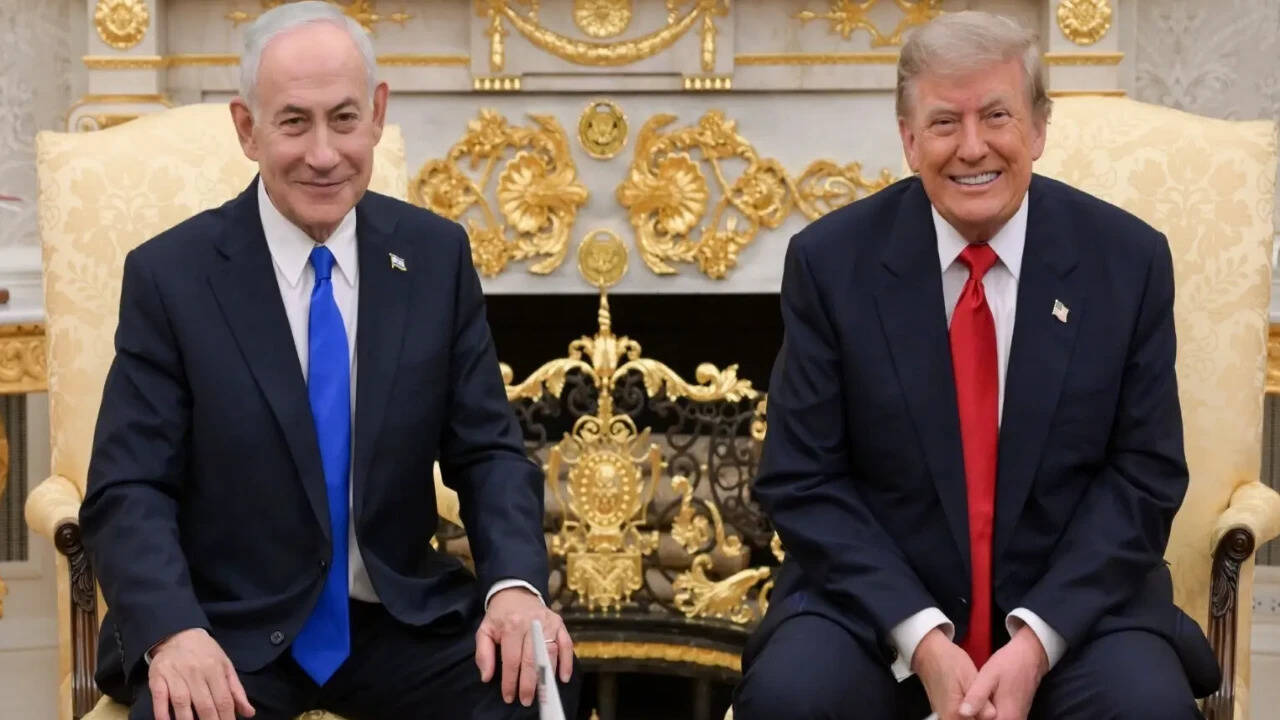
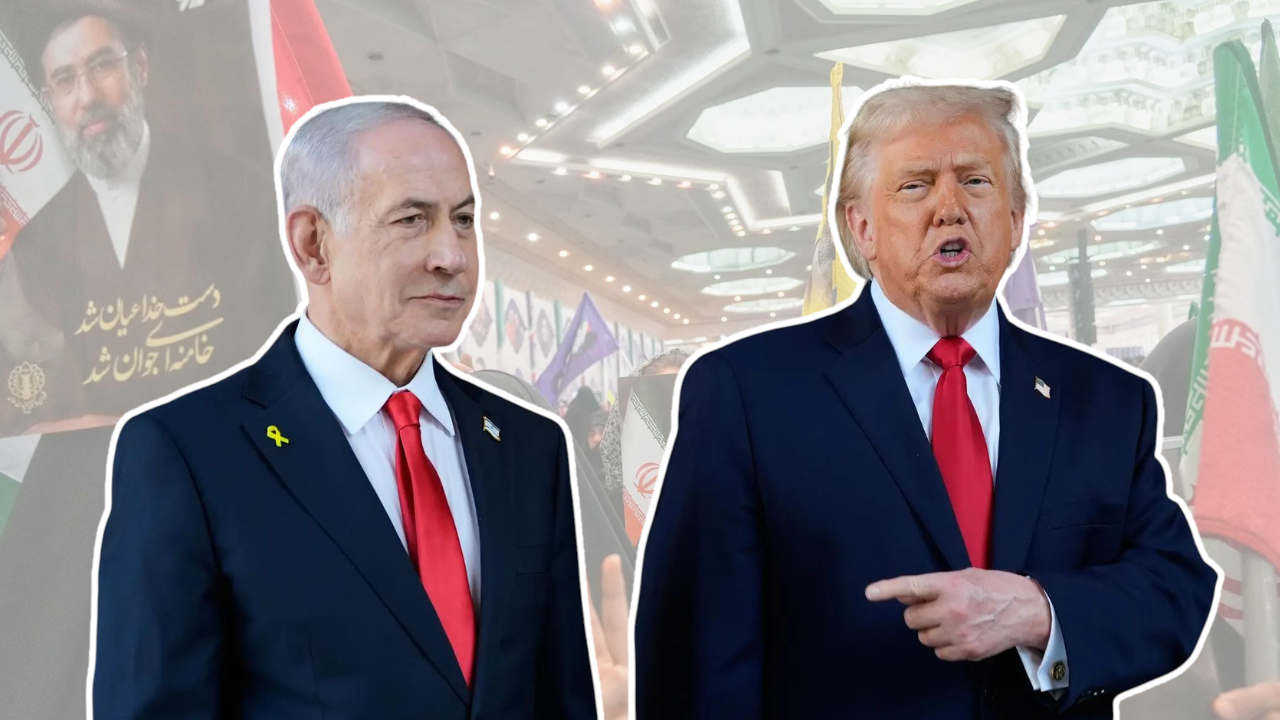
President Donald Trump had publicly held off on authorizing new strikes ahead of the midterms while keeping military options open afterward. Meanwhile, Iran's newly installed Supreme Leader, Mojtaba Khamenei—who took power in March 2026 after U.S.-Israeli strikes killed his father, Ali Khamenei—met with his senior commanders and ordered readiness for responses "without geographical limitation".
Into that standoff stepped Oded Ailam, who previously led the Mossad's Counterterrorism Division and now works as a researcher at the Jerusalem Center for Security and Foreign Affairs. Speaking to the New York Post, Ailam warned that if full-scale fighting resumes, Israel could deploy a surprise covert operation modeled on the 2024 Hezbollah pager blasts.
Notice the framing. Ailam didn't confirm an active plot, nor did he claim Israeli agents had already wired Iranian communications gear. He planted a seed of paranoia inside Tehran's bunkers.
The Real Targets Running Tehran's War Machine
Most Western coverage treats Iran as a standard top-down dictatorship where the Supreme Leader barks orders and generals salute. According to Ailam's assessment, that's backwards in late 2026.
Mojtaba Khamenei wears the title, yet civilian officials like President Masoud Pezeshkian and Foreign Minister Abbas Araghchi can't finalize a diplomatic off-ramp with Washington. Why? Because a tight-knit military quadrumvirate calls the real shots behind the scenes.
In August 2026, Mojtaba formalized a sweeping wartime reshuffle that put four hardline veterans from the Iran-Iraq War generation in total control of Iran's coercive apparatus:
- Ahmad Vahidi (IRGC Commander-in-Chief): Promoted to major general with explicit orders to build maximum deterrence and prepare offensive operations. Vahidi is a longtime covert operations specialist who previously served as deputy defense minister.
- Mohsen Rezaei (Secretary of the Supreme National Security Council): A founding IRGC commander from 1981 who returned to Iran's top security coordinating seat following the assassination of Ali Larijani earlier in the year. Rezaei still carries an Interpol Red Notice over the 1994 AMIA Jewish community center bombing in Buenos Aires, which killed 85 people.
- Ali Abdollahi (Chief of the Armed Forces General Staff): Tasked with merging the regular military's General Staff directly into the Khatam al-Anbiya Central Headquarters, unifying operational command after his predecessor, Abdolrahim Mousavi, was killed on the opening day of the 40-day war.
- Hossein Taeb (Commander of the Basij): The former IRGC intelligence chief brought back to run Iran's domestic paramilitary force, the same apparatus used to crush street protests in January 2026.
When Israeli analysts talk about "Tehran's top military bosses," they mean these four men. Eliminate or paralyze them, and the hardline wall blocking ceasefire talks crumbles overnight.
How Mossad's 2024 Pager Operation Actually Worked
To understand why a copycat attack won't look like the original, you have to look at how the September 2024 Lebanon operation succeeded in the first place.
That mission wasn't a quick hack. Former Mossad officers who later spoke publicly about the operation revealed it took roughly a decade of shell companies, fake supply chains, and patient deception. Mossad didn't intercept Hezbollah's electronics at a border checkpoint. They became the manufacturer.
Israeli intelligence built a network of front companies that convinced Hezbollah's procurement officers they were buying rugged, secure walkie-talkies and AR-924 pagers from legitimate European and Asian suppliers. Hezbollah had ditched smartphones specifically to evade Israeli digital tracking. By early 2023, the group had bought 5,000 of these rigged pagers in bulk and handed them out to mid-level fighters and commanders across Lebanon and Syria.
On September 17, 2024, a coded message triggered small hidden charges inside those pagers simultaneously. The next day, Mossad detonated the walkie-talkies—some going off right in the middle of funerals for operatives killed in the first wave.
The genius of that operation wasn't the blast radius. It was the psychological collapse. Wounded fighters flooded Lebanese hospitals, exhausting medical capacity and exposing thousands of covert operatives instantly. Worse, pagers went off inside Hassan Nasrallah's own bunker right in front of him. Within days, Hezbollah's command network fractured, clearing the runway for Israeli airstrikes that killed Nasrallah himself.
The Psychological Trap Inside Tehran's Bunkers
Iran's intelligence chiefs watched every second of Hezbollah's humiliation. Following September 2024, the IRGC immediately swept its own supply chains, banned foreign-sourced pagers and radios, and tightened vetting on every piece of hardware entering senior offices.
So why bring up an "exploding pager" plot now?
Listen closely to what Ailam actually said about the effect of such an operation: imagine a meeting inside a hardened Iranian bunker where top commanders sit around a table, each glancing left and right, wondering if the guy next to him is working for Mossad.
That is the entire game.
In intelligence circles, suspicion is often deadlier than high explosives. During the 2025 and 2026 conflicts, Israel already demonstrated startling penetration inside Iran—assassinating senior figures like Ali Larijani and Abdolrahim Mousavi, and striking high-value targets with pinpoint accuracy. Every time a senior commander dies in a supposedly secret location, the surviving leaders spend half their waking hours hunting moles instead of planning military operations.
By publicly hinting that Israel holds "hidden cards" modeled on Operation Grim Beeper, Israeli veterans are weaponizing Tehran's own paranoia. If Vahidi, Rezaei, Abdollahi, and Taeb can't trust their encrypted phones, their couriers, their bodyguards, or each other, their ability to coordinate a multi-front war degrades before a single bomb drops.
Where Military Strategists Disagree on Decapitation Strikes
Not every hawk in Washington or Jerusalem thinks chasing individual commanders should be the main event.
Former Israeli National Security Adviser Maj. Gen. (res.) Yaakov Amidror acknowledged that a decapitation strike against Iran's military leadership is certainly on the table if fighting resumes. Still, Amidror drew a sharp line on priorities. Neutralizing Iran's nuclear facilities and ballistic missile stockpiles has to come first. Killing generals buys time; destroying enrichment centrifuges and missile factories removes capability.
Retired U.S. Army General Jack Keane offered a broader targeting list. Keane argued that any renewed American-Israeli campaign needs to hit four pillars simultaneously:
- Iran's top military command structure
- Nuclear program sites
- Ballistic missile and drone production facilities
- Domestic energy infrastructure
That split highlights a real operational dilemma. Covert Mossad operations require years of patient groundwork and rarely scale to wipe out hardened underground facilities. Air campaigns can flatten refineries and missile bases in hours, yet they risk uniting a fractured Iranian public behind the regime—especially after street protests earlier in 2026 left deep scars between ordinary Iranians and the Basij.
What to Watch If Fighting Resumes
If you're tracking whether this covert threat turns into real action over the coming weeks, ignore the tabloid chatter about rigged electronics. Watch three concrete indicators instead.
First, track communications blackouts and sudden leadership reshuffles inside the IRGC. When Tehran suspects a deep intelligence breach, it doesn't announce an investigation—it quietly sidelines mid-level logistics officers, changes security details around the Supreme National Security Council, and shifts command posts away from known bunkers.
Second, pay attention to Diplomatic track freezes in Doha and Muscat. As long as Foreign Minister Abbas Araghchi and U.S. interlocutors are exchanging draft proposals, Washington is unlikely to greenlight a joint decapitation campaign that blows up the negotiating table. If those talks collapse formally, the restraint vanishes.
Third, watch Israeli air defense deployments and U.S. carrier movements in the Persian Gulf. A covert Mossad opening blow—whatever form it actually takes—never happens in isolation. Just like Lebanon in September 2024, a surprise intelligence strike is only the starter pistol for immediate, overwhelming conventional airstrikes designed to hit an enemy while its command network is blind.