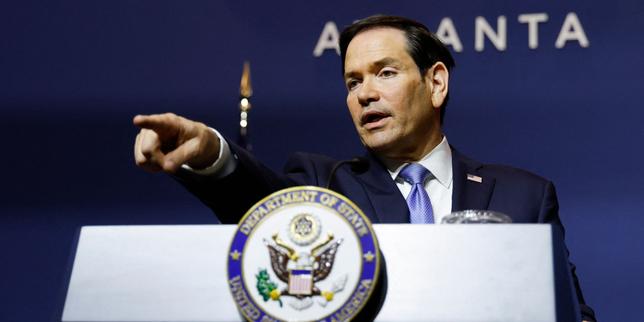
Texas politics rarely sticks to the script, and the 2026 U.S. Senate showdown between Republican Attorney General Ken Paxton and Democratic State Representative James Talarico is proving that rule in real time. While national pundits obsess over the clash of political personalities, the real story lies in how both campaigns are rewriting the playbook for turning out voters—especially with Donald Trump opting to campaign virtually instead of taking the stage in person.
If you're watching this race from the outside, it looks like a standard red-versus-blue heavyweight bout. It's not.
Why the Paxton and Talarico Texas Senate Race Looks Different
Most observers expected a traditional Texas general election centered on border security, oil and gas regulation, and familiar partisan talking points. Instead, voters are watching a sharp ideological collision between two figures who represent entirely different visions of Texas's future.
Ken Paxton enters the race with years of statewide name recognition and a fiercely loyal conservative base. Having survived an impeachment trial in the Texas Senate in 2023 and multiple legal battles, Paxton built his political brand on aggressive litigation against federal policies and uncompromising alignment with the America First movement. His supporters view him as a fighter who refuses to back down from Washington or establishment Republicans.
James Talarico offers a stark contrast. A former public school teacher and Presbyterian seminarian from Round Rock, Talarico gained national attention during his tenure in the Texas House for challenging conservative education policies, opposing school voucher programs, and framing progressive economic and social policies through the lens of Christian ethics.
Here's what makes this matchup unusual:
- Competing populist appeals. Paxton channels right-wing economic nationalism and cultural grievance, while Talarico leans into working-class kitchen-table issues like public school funding, healthcare costs, and corporate accountability.
- Generational and stylistic contrast. Paxton relies on institutional conservative media, rally-style messaging, and legal battles. Talarico thrives on viral short-form video clips from committee hearings and town halls designed to reach younger and independent voters.
- Suburban battlegrounds. Both campaigns know the race won't be decided in rural West Texas or deep-blue downtown Austin. It will be won or lost in fast-growing suburban counties like Collin, Denton, Williamson, and Fort Bend.
The Strategy Behind Trump Campaigning Virtually
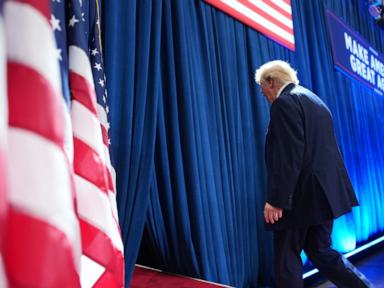
News that Donald Trump will campaign virtually rather than appearing in person on the trail immediately sparked speculation. Critics rushed to frame it as a sign of waning enthusiasm or scheduling friction.
That reading misses the point entirely.
In modern statewide campaigns, massive in-person rallies come with enormous logistical costs, security demands, and diminishing returns when trying to reach voters outside a single metro area. A virtual appearance—whether through a livestreamed tele-rally, a coordinated digital town hall, or targeted video broadcasts—allows Trump to speak directly to hundreds of thousands of Texas voters across multiple media markets simultaneously.
I've watched campaign operatives in Texas wrestle with the geography problem for years. Texas has 254 counties and more than 20 distinct media markets. Flying into Dallas or Houston for one evening generates great local TV clips, sure. Yet a well-executed virtual event reaches conservative households in Lubbock, Tyler, Midland, and the Rio Grande Valley at the exact same moment without burning campaign cash on arena rentals and travel.
For Paxton, a virtual endorsement event accomplishes three critical goals:
- It locks in the MAGA base early without risking off-script distractions that sometimes dominate news cycles after multi-hour rallies.
- It provides endless high-converting digital clips that Paxton's team can slice up for fundraising appeals and targeted social media ads.
- It keeps the focus squarely on Paxton's campaign message while still delivering the unmistakable stamp of Trump's approval.
Where Talarico Sees an Opening
Democrats haven't won a U.S. Senate seat in Texas since Lloyd Bentsen in 1988. Every cycle, national donors pour tens of millions of dollars into the state hoping to finally flip it, only to come up short. Beto O'Rourke came within 2.6 percentage points against Ted Cruz in 2018, and Colin Allred fell short in 2024.
So why does Talarico's team believe 2026 offers a different path?
First, Talarico isn't running away from faith or rural values. Having grown up in Texas and studied theology, he speaks comfortably to moderate and churchgoing voters who might instinctively recoil from national Democratic branding. When he argues that underfunding public schools or restricting healthcare access violates basic moral obligations to neighbors, he forces Republican opponents onto unfamiliar rhetorical ground.
Second, Paxton carries documented political baggage that creates daylight with college-educated suburban moderates. While hardline conservatives rallied around Paxton during his impeachment and legal controversies, independent voters in North Texas and the Houston suburbs have historically shown more skepticism toward candidates dogged by ethics headlines.
Talarico's strategy isn't about turning conservative counties blue. It's about shaving five to seven points off Republican margins in suburban precincts while driving up turnout among young voters and Hispanic voters in South Texas and major metro areas.
What Most Pundits Overlook About Texas Voter Turnout
Talk to any seasoned Texas campaign manager, and they'll tell you the same thing: Texas isn't a red state or a blue state—it's a non-voting state.
Historically, Texas ranks near the bottom nationally in voter turnout. Millions of registered voters simply stay home during midterm and off-year cycles. That reality shapes every dollar spent by both Paxton and Talarico.
Paxton's operation doesn't need to persuade undecided voters to love him. He needs his base to show up at high rates while banking on suburban Republicans holding their noses and voting down-ballot out of party loyalty and frustration with national Democrats. Trump's virtual appearances are tailor-made for that exact turnout equation—reminding conservative voters that a Senate seat in Washington directly affects the national agenda.
Talarico faces a steeper structural climb. Because Texas has no party registration and strict mail-in ballot rules, Democratic campaigns have to work harder to identify, persuade, and physically get infrequent voters to the polls during early voting. Talarico has leaned heavily on grassroots organizing, college campus outreach, and local earned media rather than relying solely on expensive broadcast television buys.
How to Follow the Race Without Falling for Campaign Spin
If you want to understand where the Paxton and Talarico race is actually heading over the coming months, ignore the daily cable news chatter and watch four concrete indicators instead.
- Suburban early voting numbers. Pay close attention to turnout rates in Williamson, Hays, Collin, and Fort Bend counties during the first week of early voting. High early turnout in these counties usually signals strong engagement among independent and Democratic-leaning voters.
- Small-dollar fundraising velocity. Quarterly Federal Election Commission (FEC) filings reveal far more than press releases. Watch how much money each candidate raises from individual Texas donors contributing under $200—that's the purest measure of genuine grassroots enthusiasm.
- How Trump's virtual events are deployed. Notice whether Trump's virtual appearances focus on statewide turnout messaging or specific regional media markets where Republicans feel vulnerable.
- Third-party ad spending. National super PACs don't waste money on races they think are already decided. If outside Republican groups start pouring millions into Texas television markets late in the cycle, it means internal polling shows Paxton under real pressure.
Verify your voter registration status through the Texas Secretary of State's official portal well before the registration deadline, review each candidate's full voting and legal record directly from primary public sources, and make a concrete plan for early voting so your ballot isn't left to last-minute election day delays.