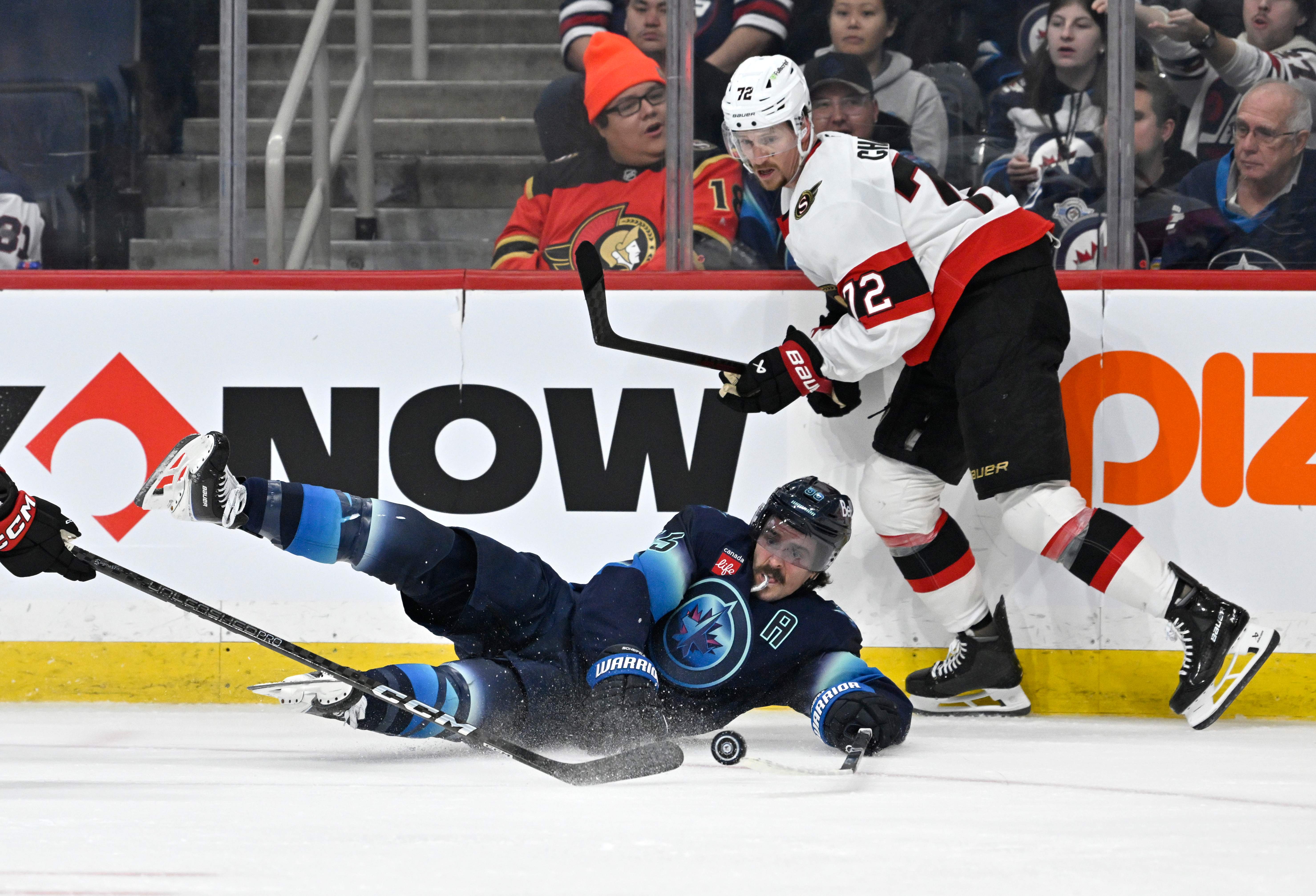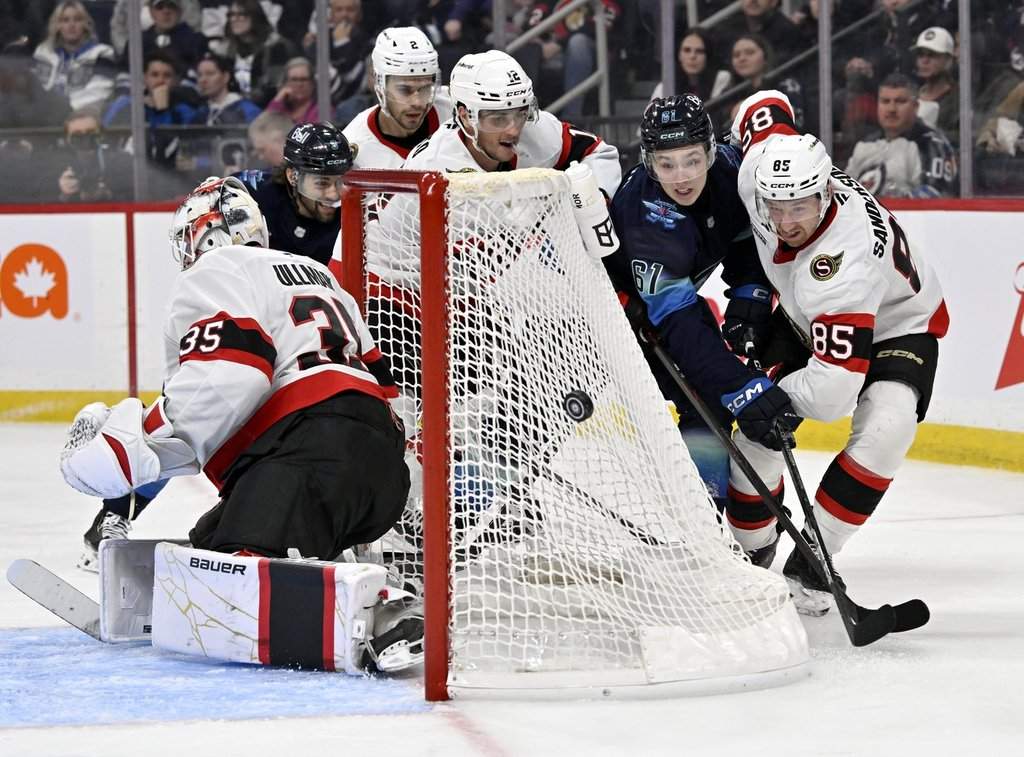
Everyone loves a clean box score. You glance at a 2-1 final where Boucher buries the winner for Ottawa against Winnipeg, nod along, and assume it was just another tight, low-event grinder.
That's a mistake.
When a game finishes 2-1 on a late dagger, casual fans chalk it up to puck luck or a sleepy Tuesday night in the middle of the schedule. Having watched enough NHL and prospect-heavy matchups over the years, I can tell you that a 2-1 scoreline against a heavy, structured club like the Winnipeg Jets is rarely an accident. It's a stress test. And when a player named Boucher—whether you're talking about the physical, injury-plagued first-rounder Tyler Boucher fighting for his organizational life or an opportunistic depth forward stepping into prime ice—cashes in the decisive goal, the real story isn't the puck crossing the line. It's everything that happened in the fifty-eight minutes before it.
Let's break down why this specific 2-1 result matters way more than a standard two points in the standings or a preseason tune-up, and why most recaps completely miss the tactical reality behind it.
Why a 2-1 Score Against Winnipeg Actually Means Something
You don't accidentally beat the Jets 2-1. Winnipeg's entire organizational identity, stretching from their NHL roster down through their Manitoba Moose system, is built on heavy forechecking, clogs in the neutral zone, and elite goaltending. If you try to trade rush chances with them, you lose. Usually by three goals.
For the Ottawa Senators to walk away with a 2-1 victory, they had to beat Winnipeg at Winnipeg's own game. Think about what that requires on the ice.
- Zero neutral-zone turnovers. The Jets feast on lazy drop passes at the offensive blue line. Keeping them to a single goal means Ottawa's defensemen were making the boring, smart play off the glass instead of forcing East-West seams.
- Surviving the cycle. Winnipeg loves grinding down low, wearing out defensemen, and drawing penalties in the third period. Holding them to one tally means Ottawa's box-out coverage in front of the crease didn't crack under pressure.
- Goaltending that erases mistakes. Even the tightest defensive shell gives up two or three grade-A looks a night. You don't survive a one-goal game without your netminder stealing at least one backdoor tap-in.
Most game recaps give you the play-by-play of the three goals and call it a day. That's useless if you actually want to understand where this roster is heading. The real takeaway is structural discipline. Ottawa has spent years as a high-event, chaotic hockey team that could score four and give up five. Grinding out a 2-1 win shows a completely different gear.
The Boucher Factor and What the Winner Represents
Let's talk about the guy who put the puck in the net.
When Tyler Boucher was drafted tenth overall by Ottawa in 2021, the hockey world collectively raised an eyebrow. It was an off-the-board pick driven by an obsession with size, grit, and playoff-style heaviness. Then came the injuries. Shoulder issues, groin pulls, missed development time—you name it, he dealt with it. By the time 2025 and 2026 rolled around, plenty of armchair scouts had already written him off as a bust.
That's why seeing Boucher score a game-winner in a tight 2-1 contest hits differently than watching a superstar like Tim Stützle or Brady Tkachuk do it.
A power forward whose entire draft pedigree rests on being hard to play against doesn't score pretty perimeter goals. He scores because he went to the dirty areas when everyone else was exhausted. In a 1-1 game against a heavy Jets lineup, space disappears. Defensemen cross-check your ribs the second you touch the top of the crease. Referees swallow their whistles.
To net the winner in that environment, you have to win a board battle, absorb contact, and get your stick on a rebound or a deflection before the goalie resets. It's ugly work. Honestly, it's the exact work Ottawa drafted him to do in the first place. Even a single decisive goal in a low-scoring grind proves that the instincts are still there beneath all the lost rehab time.
What Fans Misunderstand About Depth Scoring
Here is where people get tripped up. Fans look at a 2-1 box score, see a bottom-six or depth forward with the game-winner, and think, "Great, now he's going to score twenty goals this year."
Stop doing that to yourself.
One game-winning goal doesn't magically turn a checking-line winger into a top-six sniper. What it does do is earn trust from the coaching staff. In the NHL, coaches don't care about highlight-reel dangles in a tie game with five minutes left. They care about who won't get burned on a line change and who will get the puck deep. When a guy like Boucher rewards that trust by burying the winner, he buys himself another ten games of leash on the third line and second power-play unit. That's the real currency in pro hockey.
How Ottawa Shut Down Winnipeg's Transition Game
If you watch the tape of a 2-1 Senators win over the Jets, pay attention to the center of the ice, not the corners.
Winnipeg thrives when their defensemen can activate up the ice and join a four-man rush. Once they gain your blue line with speed, you're toast. Ottawa neutralized that by stacking the defensive blue line and forcing Winnipeg to dump the puck into the corners over and over again.
- The F3 stayed high. Ottawa's third forward consistently hung back above the hash marks instead of diving below the goal line. Every time Winnipeg tried to rim the puck out to a streaking winger, an Ottawa forward was already sitting in the lane.
- Quick sticks on the penalty kill. You can't beat the Jets if you give their top power-play unit four or five looks a night. Staying disciplined—and killing off the inevitable minor penalties without panicking—kept the score knotted at 1-1 long enough for Boucher to strike.
- Willingness to eat pucks. Shot-blocking isn't glamorous, and analytics folks will rightly point out that blocking lots of shots means you don't have the puck. Still, in the final ten minutes of a tie game, getting in front of point blasts from Winnipeg's blue line is non-negotiable.
It wasn't pretty hockey. Nobody is putting a 2-1 slog on a promotional highlight reel to sell season tickets. Yet if you ask any coach in the Atlantic Division which win they value more—a 6-5 track meet or a 2-1 trench war—they'll pick the 2-1 game every single time.
The Goaltending Duel Nobody Mentions
Whenever a game ends 2-1, the goalies are the actual first and second stars, even if the guy who scored the winner gets the postgame interview.
Think about the mental toll on a goaltender in a 1-1 game entering the third period. One bad bounce off a stanchion, one screened wrister from the point, and your team goes home empty-handed. Both crease-minders in this matchup had to track pucks through heavy traffic while Winnipeg and Ottawa crashed the net looking for garbage goals.
For Ottawa's netminder, holding Winnipeg to a single goal requires elite rebound control. The Jets crash the crease harder than almost any team in the Western Conference. If you kick a routine pad save out into the slot, it's in the back of your net half a second later. Steering those pucks into the corners and smothering loose rubber in the crease prevented Winnipeg from ever building momentum.
What to Watch Next if You Follow the Senators
Don't just close the box score and move on to the next game. If you want to know whether this 2-1 win was a genuine turning point or just a one-off, track three specific things over Ottawa's next five outings.
First, watch Boucher's ice time in the final five minutes of close games. Coaches tell you what they really think of a player through deployment, not press conference quotes. If he's hopping over the boards with three minutes left while Ottawa protects a lead, the coaching staff officially trusts his two-way game.
Second, look at Ottawa's shot-attempts against from the high danger slot. Holding Winnipeg to one goal is great, but if they still gave up fifteen clean looks from the hash marks and just got bailed out by their goalie, regression is coming fast.
Third, pay attention to how Ottawa handles their next opponent that plays a passive 1-3-1 neutral zone trap. Beating a heavy team like Winnipeg 2-1 requires patience. If the Senators get bored in their next game and start forcing cross-ice passes at the blue line again, they haven't actually learned the lesson.
Go back and check the shift charts and third-period deployment from this matchup before Ottawa drops the puck next—you'll see immediately which players earned the coach's trust when the game was actually on the line.