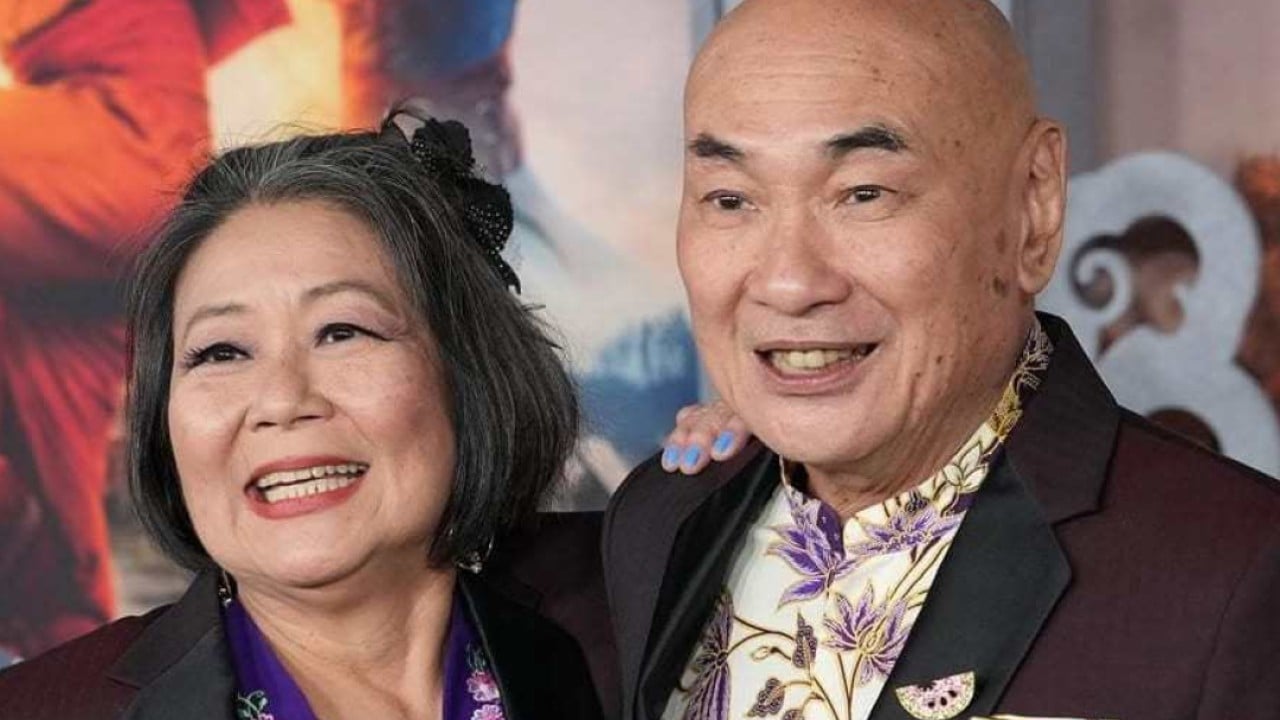
Singapore doesn't do gray areas when it comes to public demonstrations. The lines are drawn in permanent ink, backed by strict legislation, and the consequences of crossing them are immediate. When six individuals—including veteran television actors Lim Kay Siu and Neo Swee Lin—found themselves hauled before the State Courts on charges tied to unpermitted assemblies, it sent shockwaves through the local cultural and political landscape.
Most headlines focused on the celebrity factor. It's easy to see why. Lim and Neo are household names, best remembered by generations of Singaporeans as part of the cultural fabric of the hit sitcom Phua Chu Kang. But reducing this court appearance to a mere pop-culture crossover misses the entire point of why these charges matter. This isn't about television nostalgia. It's a high-stakes collision between civil disobedience, artistic expression, and the absolute boundaries of state-mandated order.
Why These Charges Landed Now
The core issue stems from public gatherings held without permits, specifically targeting capital punishment. Under the Public Order Act, gathering in groups for a cause without official clearance is illegal. The charges leveled against the six individuals—who also include activist Kirsten Han, Annamalai Kokila Parvathi, Rocky Howe, and Jeanne-Marie Ten—relate to assemblies outside the State Courts and candlelight vigils held near Changi Prison.
Authorities have made their stance clear for years. If you want to air grievances or protest, there's a designated space for it at the Speakers' Corner. Step outside those boundaries, wear shirts carrying political messaging, or gather in prohibited zones like the prison perimeter, and you invite swift legal action. The state views unpermitted assemblies not as minor administrative infractions, but as direct challenges to public peace.
The Reality of Artistic Activism in Singapore
People often assume that famous actors or public figures operate under a different set of unwritten rules. They don't. Singapore’s legal framework applies uniformly, regardless of whether you're a veteran theatre performer, a freelance journalist, or a full-time activist.
In fact, being a well-known cultural figure often amplifies the scrutiny. Lim and Neo have long been respected pillars of Singapore's independent theatre and arts scene—spaces that frequently lean more progressive than mainstream corporate culture. Choosing to step out in public solidarity against capital punishment was a deliberate, calculated risk. They knew the legislation. They knew the penalties, which can include fines up to S$10,000 or jail time. They decided the message outweighed the personal cost.
The Broader Conversation Nobody Wants to Have
Beyond the courtroom drama and the adjourned hearings, this case forces a stark look at how dissent functions in a tightly managed society. Critics of the state's approach argue that criminalizing peaceful vigils and brief gatherings stifles essential civic discourse. Supporters of the law maintain that strict order is the bedrock of Singapore's economic stability and social cohesion, preventing the polarization seen in other democracies.
The debate isn't going away. As younger generations push for more openness on human rights issues like the death penalty, the friction between traditional governance and modern activism is bound to intensify.
If you're watching this unfold from the outside, stop looking at it as an isolated celebrity scandal. It's a revealing look at the price of conviction in one of the world's most tightly regulated nations. The legal process will run its course, but the underlying tension between state control and individual expression remains entirely unresolved.


