Alberta has an estimated 130 trillion cubic feet of natural gas sitting underground, yet major industrial buyers in the province can't get enough of it to keep the lights on. That sounds absurd. It's true.
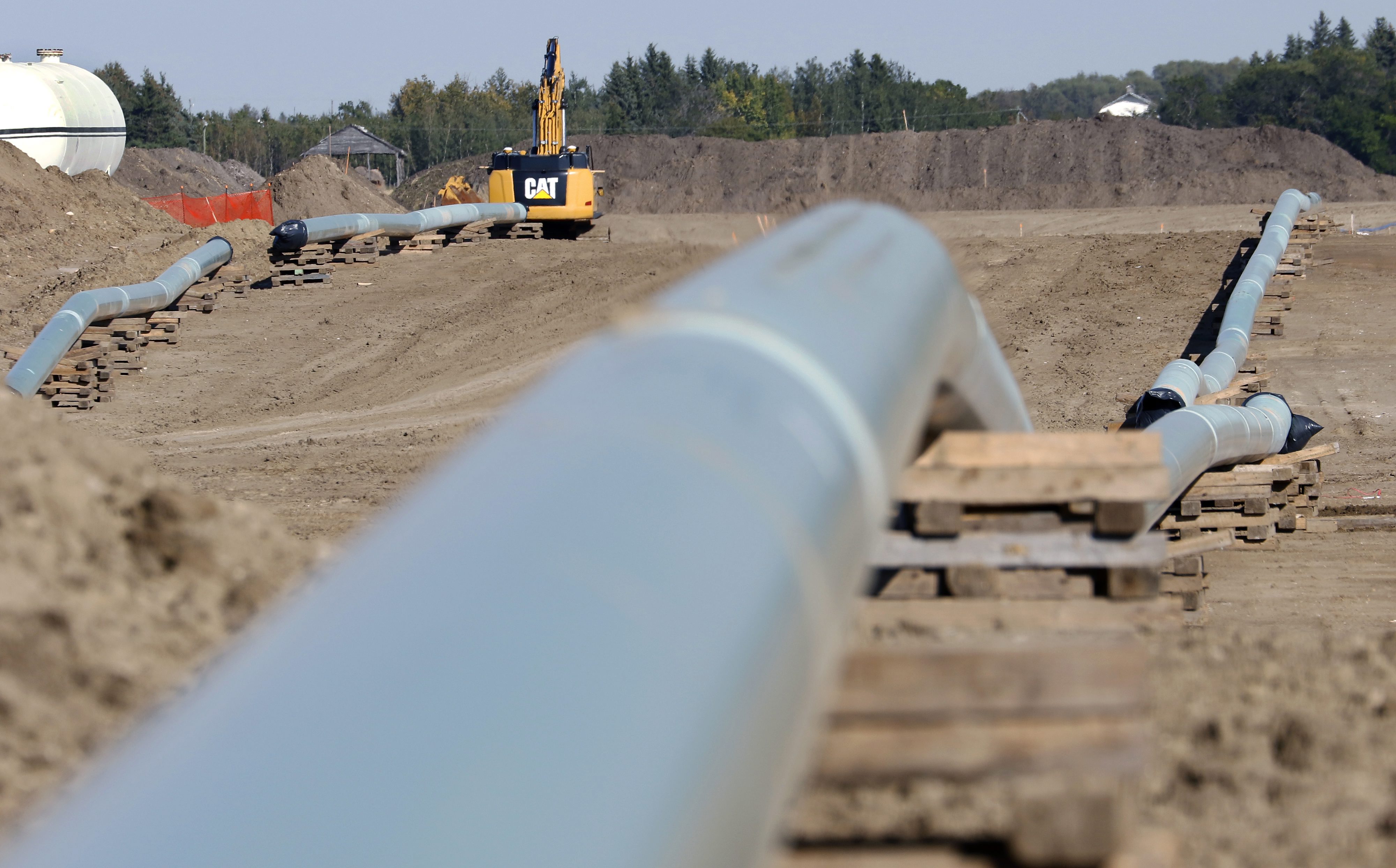
On November 16, 2026, Calgary-based TC Energy Corp. announced plans to break that bottleneck with a major expansion of its NOVA Gas Transmission Ltd. (NGTL) system. The centerpiece is the Alberta Growth Connector, a proposed 370-kilometre (230-mile), 48-inch natural gas pipeline designed to haul an initial 1 billion cubic feet per day (bcf/d) directly into the oilsands region.
Most news coverage treats this like a routine infrastructure announcement. It isn't. Look closely at the timeline, the politics in Edmonton, and the sudden surge in power demand from artificial intelligence, and you'll realize TC Energy's expansion plan is actually the opening salvo in a high-stakes standoff over who controls Alberta's energy future.
Why Alberta's Gas Grid Hit a Wall
To understand why a 48-inch pipe matters so much right now, you have to look at how jammed the existing system has become.
The NGTL network has criss-crossed Alberta and northeastern British Columbia for nearly 70 years. Over the past decade alone, TC Energy poured more than $15 billion into the system, pushing its average daily volume to roughly 15 bcf/d. Yet every single bit of that capacity is fully booked through 2029.
Gas sellers can't sell. Gas buyers can't buy.
TC Energy's latest forecast projects total demand on the NGTL system will jump by roughly 25 per cent to hit 18 bcf/d by 2031. That's 1.5 bcf/d higher than what the company predicted just one year earlier in 2025. Why did the numbers spike so fast? Three heavy hitters account for more than 60 per cent of that projected growth:
- Oilsands extraction: Bitumen producers burn massive volumes of natural gas to generate the steam injected underground for in-situ recovery. As producers push toward higher output targets, their thermal gas appetite keeps climbing.
- Gas-fired power generation: Coal phase-outs and rising baseline electricity consumption have left Alberta's grid leaning heavily on natural gas turbines.
- AI data centres: Tech developers are flocking to Alberta for cheap land and cold air, and many of their proposals include dedicated, behind-the-meter natural gas power plants that represent a massive new draw on local pipelines.
Inside the Alberta Growth Connector Blueprint
TC Energy isn't proposing a blank-cheque megaproject. CEO François Poirier has been clear that the company is taking a deliberate, disciplined approach—expanding existing corridors and matching new steel strictly to binding customer commitments.
The Alberta Growth Connector will stretch across seven municipalities—including Athabasca, Big Lakes, Greenview, Lac la Biche, Lesser Slave River, Opportunity, and Woodlands counties—linking surging Western Canadian gas supplies straight to northern industrial hubs.
Here is how the engineering and capacity math actually works:
- Initial vs. ultimate capacity: While the line launches with 1 bcf/d of initial capacity, a 48-inch diameter pipe gives TC Energy huge headroom. By adding compression stations down the road, the corridor can eventually scale toward 5 bcf/d.
- System looping: Alongside the main 370-kilometre trunkline, TC Energy plans to add parallel pipeline loops and extra compressor units across the broader NGTL network to relieve local choke points.
- Staged commercial rollouts: The company already opened 1 bcf/d of capacity to commercial bids in 2026 and has scheduled another 1.3 bcf/d open season for January 2027.
TC Energy expects to file its finalized annual NGTL plan with federal regulators before the end of 2026. Still, none of this steel goes in the ground without commercial sign-offs, Indigenous and stakeholder consultations, and formal board sanctioning.
The Political Knife Fight Behind the Scenes
If you only read TC Energy's press release, everything sounds cooperative and smooth. It's anything but.
Just seven days after TC Energy unveiled the Alberta Growth Connector, the Alberta government dropped a legislative bombshell. On November 23, 2026, Energy and Minerals Minister Brian Jean introduced the Natural Gas Infrastructure Act. If passed, the bill grants the province legal authority to create a brand-new Crown corporation to plan, fund, and build natural gas pipelines that would compete directly against TC Energy.
Frustration in Edmonton has been boiling over for months. A leaked provincial cabinet document from September 2026 bluntly labelled TC Energy's regional dominance a "market failure," arguing that provincial leaders felt the company was prioritizing U.S. Gulf Coast and Mexican pipeline expansions while leaving Alberta's oilsands and data centre developers starved for capacity.
TC Energy didn't take the threat lying down. In a November 21 letter to Premier Danielle Smith, CEO François Poirier warned that state-backed pipeline intervention would trigger "significant market instability" and directly jeopardize TC Energy's ability to finance and advance the Alberta Growth Connector. Poirier made a blunt point: if the province steps in with taxpayer-backed pipes, TC Energy will simply slash its Alberta growth capital and deploy those dollars elsewhere.
Premier Smith quickly tried to lower the temperature, telling listeners on her radio program that launching an actual Crown corporation remains "unlikely" and would only ever serve as a last resort. Even opposition NDP utilities critic Kathleen Ganley questioned the move, warning that nationalizing transmission infrastructure risks sticking everyday Albertans with higher utility bills.
Why This Standoff Matters to Your Wallet and Portfolio
Whether you're an energy investor, an industrial power buyer, or simply watching North American energy markets, the outcome of this dispute carries real financial consequences.
First, look at the regulatory reality. The NGTL system crosses provincial borders into British Columbia, meaning it falls under the jurisdiction of the Canadian Energy Regulator (CER) in Ottawa, not the Alberta government. Analysts at CIBC Capital Markets noted that provincial legislation creates messy jurisdictional questions and complicates the timing and toll economics of future expansions.
Second, examine the toll structure. NGTL operates on a rolled-in, uniform cost-of-service model. That means every shipper on the network shares the cost of infrastructure upgrades. Right now, three distinct camps are locked in rate negotiations that have already been pushed from late 2026 into the first quarter of 2027:
- Oilsands and Montney producers want rapid, massive pipe additions so they aren't stranded.
- Existing domestic shippers want to keep transmission tolls as low as possible and hate paying for someone else's expansion.
- TC Energy wants stronger regulated returns on equity to justify spending billions in an era of higher borrowing costs and heavy balance-sheet debt.
Third, don't ignore the data centre hype cycle. Hundreds of megawatts of proposed AI data centres in Alberta rely on behind-the-meter natural gas generation. If NGTL capacity remains rationed until 2030 or 2031, tech companies won't wait around. They will take their capital to Texas, Pennsylvania, or Saskatchewan instead.
How to Track What Happens Next
Don't fall for political posturing on either side. Building a government-run pipeline corporation from scratch would take years of red tape, billions in public debt, and endless federal-provincial court battles—a timeline that helps nobody in the oilsands. TC Energy remains the fastest, cheapest builder on the ground.
If you're watching this story unfold for investment or business decisions, keep your eyes on three concrete milestones over the next few months:
- The year-end 2026 NGTL filing: Watch for TC Energy's formal submission to the Canadian Energy Regulator. The exact capital cost estimates and proposed toll structures inside that document will tell you whether the company is serious about fast-tracking the Alberta Growth Connector.
- The January 2027 open season: TC Energy is putting 1.3 bcf/d of new capacity up for commercial bids in January. If oilsands operators and power generators oversubscribe that auction immediately, Edmonton's "market failure" argument gains teeth—and TC Energy will face intense pressure to upsize the project.
- Q1 2027 toll settlement talks: Keep an eye on the commercial settlement deadline between TC Energy and NGTL shippers. A signed multi-year rate agreement will kill the Crown corporation talk overnight and clear the runway for construction.
Watch the binding shipper contracts, not the political speeches. Until producers and power plants sign long-term take-or-pay agreements, the Alberta Growth Connector is still just ink on a map.