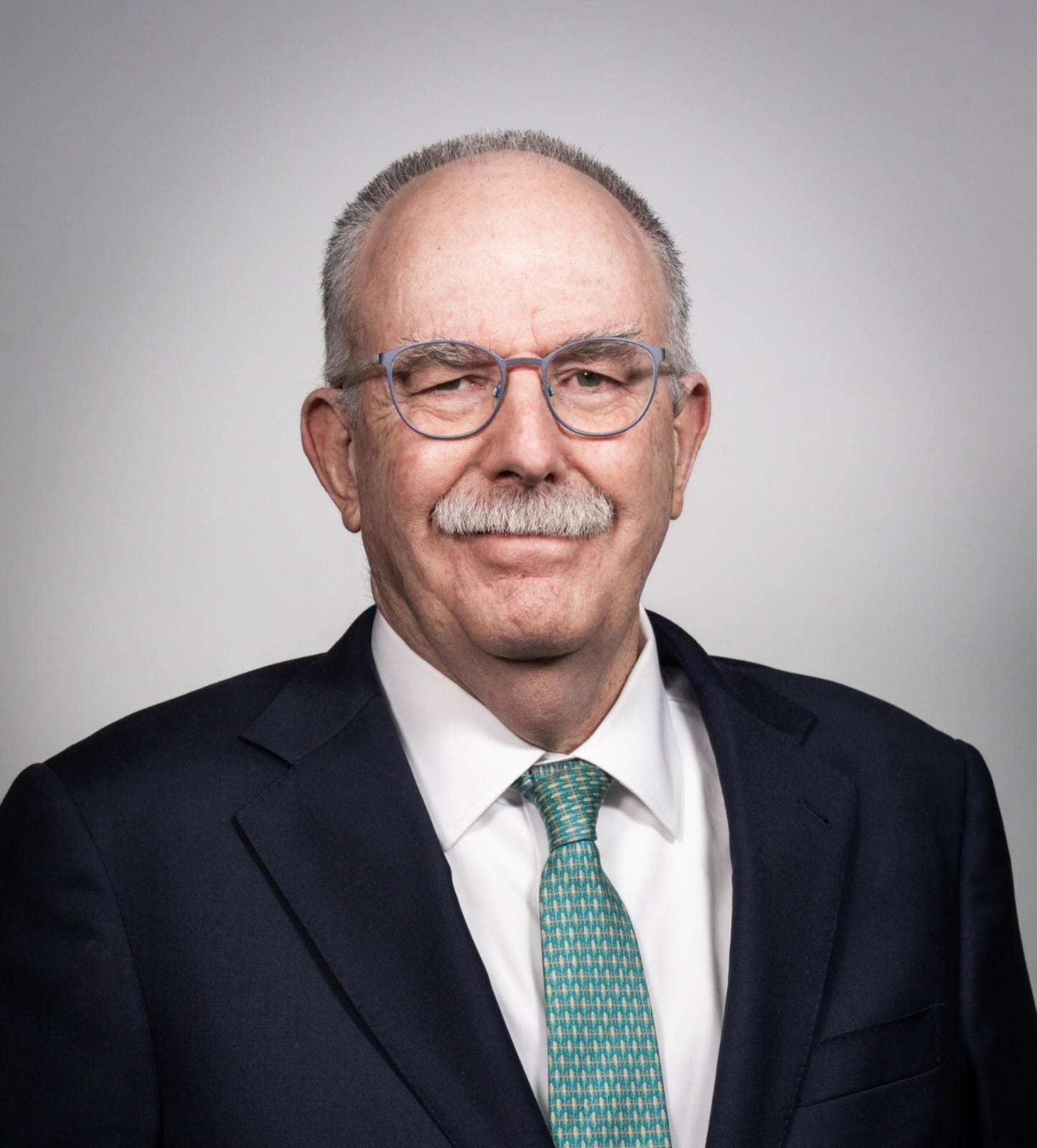
The air in Tehran and Paris feels different, but the silence between rings on a secure diplomatic line sounds exactly the same. It is a heavy, digital void where the weight of millions of lives hangs on the breath of two men. When Masoud Pezeshkian picked up the receiver to speak with Emmanuel Macron, he wasn’t just representing a government. He was holding a fuse.
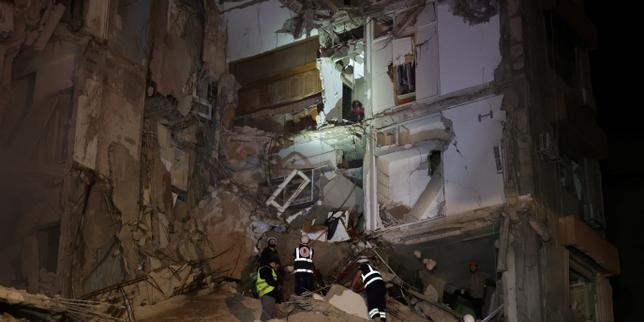
Outside the windows of the Élysée Palace, the autumn air is crisp, orderly, and peaceful. In Beirut, the air is thick with the smell of pulverized concrete and the metallic tang of spent munitions. This is the disconnect that defines the modern Middle East. We talk about "geopolitical shifts" and "strategic imperatives," but the reality is a mother in the Dahieh suburbs clutching a plastic bag of documents because her home no longer has walls.
The Condition of the Silence
Pezeshkian’s message to the West was not delivered with the fiery rhetoric of his predecessors. It was a cold, calculated transaction. He told Macron that if France and Europe want to see the fires in the region dimmed, they must first focus on the Lebanese front. A ceasefire in Lebanon is no longer a secondary goal. It is, in the Iranian President’s own words, the "essential condition."
Think of the region as a house where every room is connected by a single, fraying electrical circuit. You cannot fix the flickering lights in the kitchen while the basement is underwater and the wires are sparking in the hallway. Iran is signaling that the path to any broader stability—the kind that keeps oil prices steady and prevents a total continental collapse—runs directly through the streets of Beirut.
The stakes are invisible until they aren't. We see maps with red arrows pointing toward borders, but the real map is etched in the anxiety of the global markets and the quiet terror of families waiting for the next sonic boom.
The Architecture of Escalation
Israel’s campaign against Hezbollah has moved past the stage of surgical strikes. It has become a rhythmic pounding. On the day of this high-stakes phone call, the strikes continued with a grim, industrial regularity. The Israeli military argues that they are dismantling a threat that has sat on their doorstep for decades. They speak of "degrading capabilities."
But you cannot degrade a capability without shattering a neighborhood.
Consider a hypothetical shopkeeper in Nabatieh. Let’s call him Omar. Omar doesn't care about the intricacies of the JCPOA or the naval maneuvers in the Red Sea. He cares that the glass in his storefront has been replaced three times in two weeks. He cares that the supply lines for flour are choked by checkpoints and craters. When Macron and Pezeshkian speak, they are playing a game of chess, but Omar is the board.
The Iranian strategy is to tie these fates together. By making a Lebanese ceasefire the "essential condition," Tehran is forcing the West to choose. They are betting that the humanitarian outcry and the risk of a wider war will eventually force the hand of the United States and its allies to restrain Israel.
The French Connection
Why Macron? France has always viewed itself as the protective older sibling of Lebanon, a remnant of a colonial history that evolved into a complex, emotional bond. When Beirut suffers, Paris feels the political heat. Macron knows that a total collapse of the Lebanese state would trigger a refugee crisis that would wash up on European shores within months.
He is walking a tightrope. On one side is the demand to support Israel’s right to security. On the other is the absolute necessity of preventing Lebanon from becoming a second Gaza.
The conversation between the two presidents lasted over an hour. An hour is an eternity in diplomacy. It suggests that they weren't just trading talking points. They were haggling over the price of peace. Pezeshkian is looking for a way to bring Iran back from the brink of total isolation without appearing weak to his own hardliners. Macron is looking for a legacy-defining victory in a world that seems to be slipping out of his control.
The Weight of the "Essential"
When a leader uses the word "essential," they are closing a door. They are saying that there is no plan B. Iran has effectively linked the safety of the entire region to the cessation of hostilities in one specific country. It is a gamble of breathtaking proportions.
If the strikes continue, Iran implies that its "resistance" will have no choice but to broaden the scope. This isn't a threat whispered in a dark room; it is a public declaration of a red line. But red lines are notoriously blurry in the Middle East. They tend to shift with the wind and the smoke of the latest explosion.
The true tragedy of these high-level calls is the delay. While the presidents discuss the "conditions" and the "frameworks," the reality on the ground moves faster than any diplomat can type a memo. A drone doesn't wait for a translation. A missile doesn't pause for a rebuttal.
Beyond the Brink
We are witnessing a moment where the old rules of engagement have been shredded. In the past, there was a sense of "proportionality," a grim tally kept by both sides to ensure things didn't go too far. That tally has been thrown away.
The "human element" isn't just a phrase for an essay. It is the literal heartbeat of the conflict. It is the realization that behind every "strategic strike" is a family that will never be the same, and behind every "diplomatic condition" is a calculated risk that involves the lives of people who will never see the inside of a palace.
The phone call ended. The statements were released. The "EN DIRECT" feeds updated with the latest headlines. But the silence that followed wasn't the silence of peace. It was the heavy, pregnant silence of a world holding its breath, waiting to see if the person on the other end of the line was actually listening.
In the end, diplomacy is just a series of words used to stave off the inevitable use of force. Whether Pezeshkian and Macron found a way to bridge the gap between Tehran's demands and the reality of the battlefield remains to be seen. But the clock is ticking in a way that doesn't care about protocol.
The image that lingers isn't of the two men in their suits, but of the telephone wire itself—a thin, fragile thread stretched across a sea of fire, carrying the desperate hope that a few sentences can stop a thousand bombs. It is a thread that feels thinner with every passing hour.