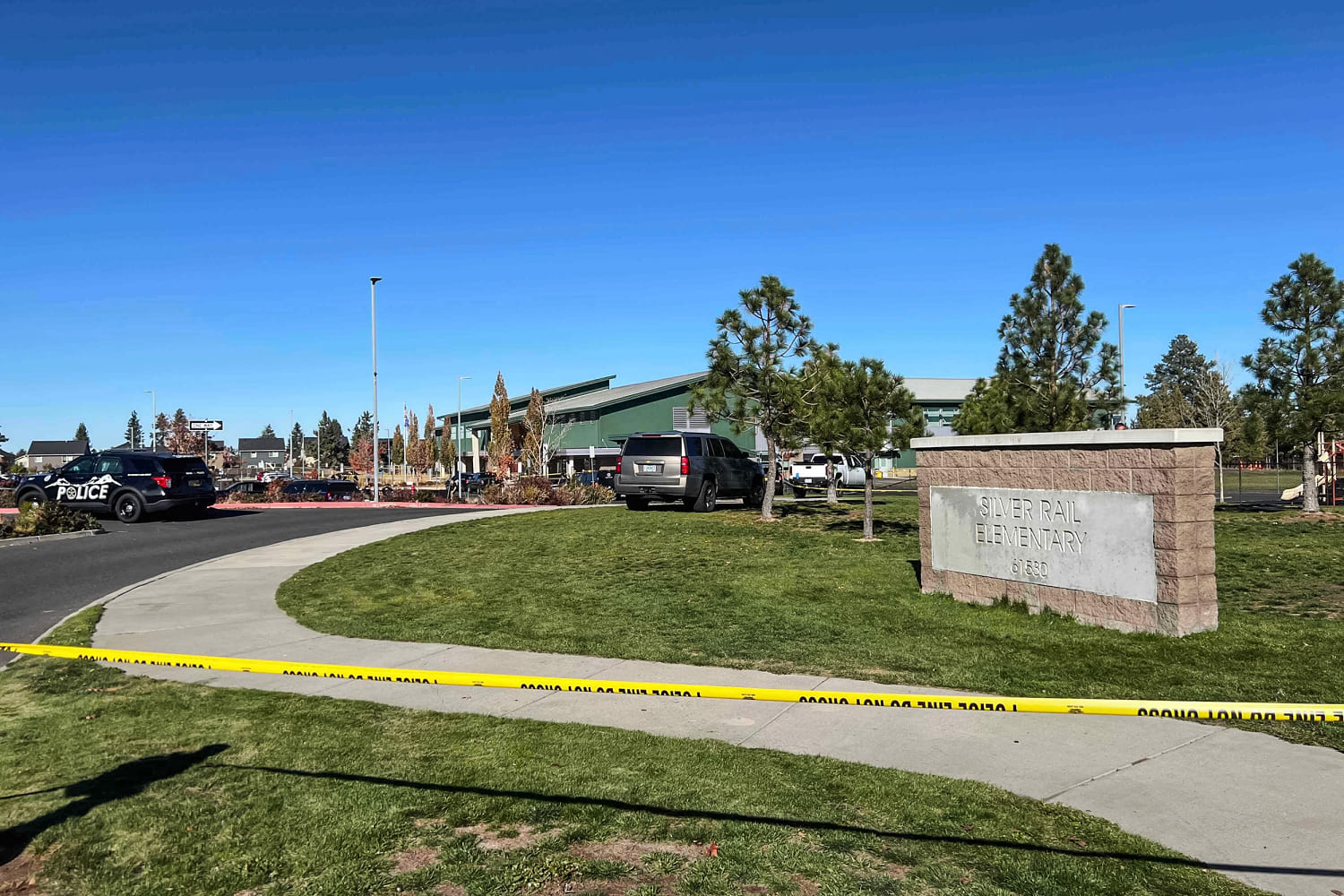
When a fifth grader calls home during a school shooting and sounds terrified, every adult listening feels a gut punch that never really fades. That moment captures the raw reality behind headlines about a fifth grader at an Oregon school shooting sounding very scared on a call to family. You hear the fear in a child's voice first. Details come later.
Honestly, most news coverage stops right there. It repeats the quote, describes the worry in the family's voice, and moves on to the next breaking alert. That leaves out the hardest practical questions parents, aunts, uncles, and teachers actually face when a phone lights up with a school number during an active crisis. Should a scared kid call or text? What happens to a ten-year-old's nervous system in those seconds? Why do school safety plans and real-world phone habits collide so badly? Also making news recently: Why Yemen Civil War Shifts Western Security Now.
Let's be direct about what those frantic calls actually mean. A ten- or eleven-year-old reaching out while scared isn't acting out or breaking a rule by accident. They're reacting to acute threat in real time, often with limited emotional vocabulary and almost no practice handling a genuine lockdown. Understanding how fear shows up in a child's voice—and how families and schools handle communication under pressure—changes how we prepare before a crisis ever happens.
Why Fear Sounds the Way It Does in a Child's Voice
Fear isn't abstract for a fifth grader. It hits the body fast. More information regarding the matter are detailed by The New York Times.
When a child senses danger at school, the brain's threat-detection system kicks into overdrive long before calm logic has a chance to catch up. Heart rate spikes. Breathing gets shallow or shaky. Words come out clipped, quiet, whispered, or unusually fast. Sometimes a kid who normally talks nonstop barely gets two sentences out.
Adults who've worked in crisis response or pediatric mental health see this pattern all the time. A shaky or frightened voice doesn't automatically prove a child is in direct physical harm at that exact second. Sometimes they're locked in a classroom hearing sirens outside, alarms ringing, or adults speaking in hushed, urgent tones. To a ten-year-old, uncertainty itself feels like danger.
A terrified tone on a phone call reflects immediate nervous-system alarm, not a calm or complete assessment of what's happening down the hall.
That distinction matters when you're on the other end of the line. If an aunt, parent, or older sibling hears panic in a child's voice, their own adrenaline spikes immediately. It's natural to press for details, ask "Are you okay?" five times in ten seconds, or tell them to run. Yet pushing a frightened child for rapid-fire facts can overwhelm them further when they're already struggling to breathe and think clearly.
Research from organizations like the National Child Traumatic Stress Network and the American Academy of Pediatrics consistently highlights how children process emergencies differently from adults. Kids around age ten or eleven understand enough to grasp severe danger, yet they still rely heavily on cues from trusted adults to regulate fear. When a phone call bridges that gap, even a brief exchange carries huge emotional weight.
The diagram above maps out four broad symptom clusters associated with childhood post-traumatic stress—intrusion symptoms, avoidance, negative shifts in mood and thinking, and heightened arousal or reactivity. Not every child who has a scary call during an emergency develops long-term trauma symptoms, of course. Still, seeing how threat responses branch into emotional and physical reactions helps explain why a child's behavior days or weeks later can look jumpy, quiet, or unusually clingy.
The Collision Between Family Instincts and School Lockdown Rules
Here's where things get messy fast. When an emergency unfolds at a school, families want direct contact with their kids. Schools and law enforcement want quiet classrooms, clear phone lines, and controlled reunification.
Those two impulses clash almost every time.
In theory, many school safety guidelines discourage or restrict phone calls during a lockdown so students stay focused on directions and don't accidentally give away room locations with noise or screen light. In practice, kids with phones or smartwatches often call or text the people they trust most the second they feel scared. Can you really blame a fifth grader for calling their family when their chest is pounding? No. Instinct wins in a crisis.
I've seen how frustrating this gap feels from both sides. Parents and extended family say, "If my kid is scared, I want to hear their voice." First responders and school safety coordinators say, "If hundreds of parents rush the campus or tie up lines, it slows emergency response and creates gridlock." Neither side is acting out of malice. They're trying to protect kids using completely different vantage points.
There's also a real debate among educators, parents, and safety experts about student phone access in schools. Some argue phones help kids coordinate, record crucial information, or comfort themselves during frightening moments. Others argue ringing phones, notifications, and frantic calls back and forth create noise, distraction, and false rumors that spread faster than verified facts.
Truth is, there's no neat, zero-friction answer here. Policies vary by district and state, and what works on paper doesn't always hold up when fear takes over. What does help is talking through realistic expectations with kids ahead of time—without turning everyday school days into a constant state of dread.
What Extended Family Members Can Do When a Scared Kid Calls
Aunts, uncles, grandparents, and older cousins often end up on the front lines of family panic. Sometimes a child calls an aunt or uncle first because that relative feels safe, calm, or easy to reach. Sometimes extended family is the one fielding urgent texts while parents are stuck in traffic or at work.
If you're ever on the receiving end of a scared call from a school-age child, keep your own voice steady and low. Easier said than done, I know. Your hands might be shaking. Still, a calm tone acts like an anchor for a kid whose nervous system is racing.
Try these practical habits in that moment:
- Keep your questions short and simple. Ask things like, "Are you safe right now?" or "Are you with your teacher?" instead of complicated multi-part questions.
- Don't give conflicting instructions. If a teacher or school official is giving lockdown directions, don't tell the child to leave the room or open a door unless instructed by emergency personnel.
- Listen more than you talk. Let them tell you what they're feeling without arguing with their fear or lecturing them about rules.
- Share verified updates carefully. Once the immediate call ends, rely on official district or law enforcement messages rather than social media rumors before texting the family group chat.
One common mistake adults make after a frightening call is trying to "fix" the fear immediately with false certainty, like saying "Nothing bad can happen here." Kids aren't stupid. They sense when adults are stretching the truth, and overpromising can backfire if they feel anxious later. Honest, grounded reassurance works much better: "I hear how scary that was. Right now, let's focus on what you need next."
After the Call Ends What to Watch for in the Days Ahead
When the immediate emergency passes and everyone is accounted for, people often exhale and assume the hard part is over. Usually, that's just when quieter reactions begin.
A fifth grader who sounded very scared on the phone might come home acting completely numb. Or they might get angry over tiny things like a spilled drink or a missing homework sheet. Some kids trouble sleeping, ask to keep the bedroom light on, or complain of stomachaches and headaches. Others suddenly don't want to ride the bus or walk into a quiet hallway.
None of these reactions mean a child is "broken." They're signs of a brain and body working hard to recalibrate after a spike of fear.
Experts at the Centers for Disease Control and Prevention and the Substance Abuse and Mental Health Services Administration emphasize routine, open-ended support, and patience after frightening events. Kids often process scary experiences in small bursts rather than one big sit-down talk. You might get almost nothing at dinner, then hear a huge question while folding laundry three days later.
Pay attention to patterns rather than a single rough afternoon. If sleep problems, intense fear, clinginess, or withdrawal stick around for weeks or start interfering with daily life, reaching out to a pediatrician, school counselor, or licensed child therapist is a smart move. Early support helps kids make sense of what happened before fear hardens into avoidance.
Practical Next Steps for Families Before and After a Crisis
Waiting until an emergency happens to think about communication leaves everyone improvising under stress. You don't need an elaborate, dramatic plan that scares your kids. A short, calm conversation goes a long way.
Start with a simple check-in at home. Ask your fifth grader—or any child in your family—what they know about how their school handles emergencies and who they feel comfortable talking to if they ever feel overwhelmed. Keep it low-key. Treat it like buckling a seatbelt: routine, matter-of-fact, and not a nightly lecture.
Agree on a basic communication habit if your child has a phone or smartwatch. For example, talk about sending a quick text if they're allowed to message, keeping volume down if adults ask for quiet, and not expecting instant replies from family members who might be driving or in meetings. Make sure extended family members like aunts and uncles know the school's name, grade level, and official communication channels so everyone isn't scrambling from scratch.
Finally, bookmark your local school district's emergency page and trusted mental health resources ahead of time. When fear hits the line, having clear information and calm habits ready makes all the difference.