You’ve heard the line. It’s one of the most famous quotes in Canadian political history.
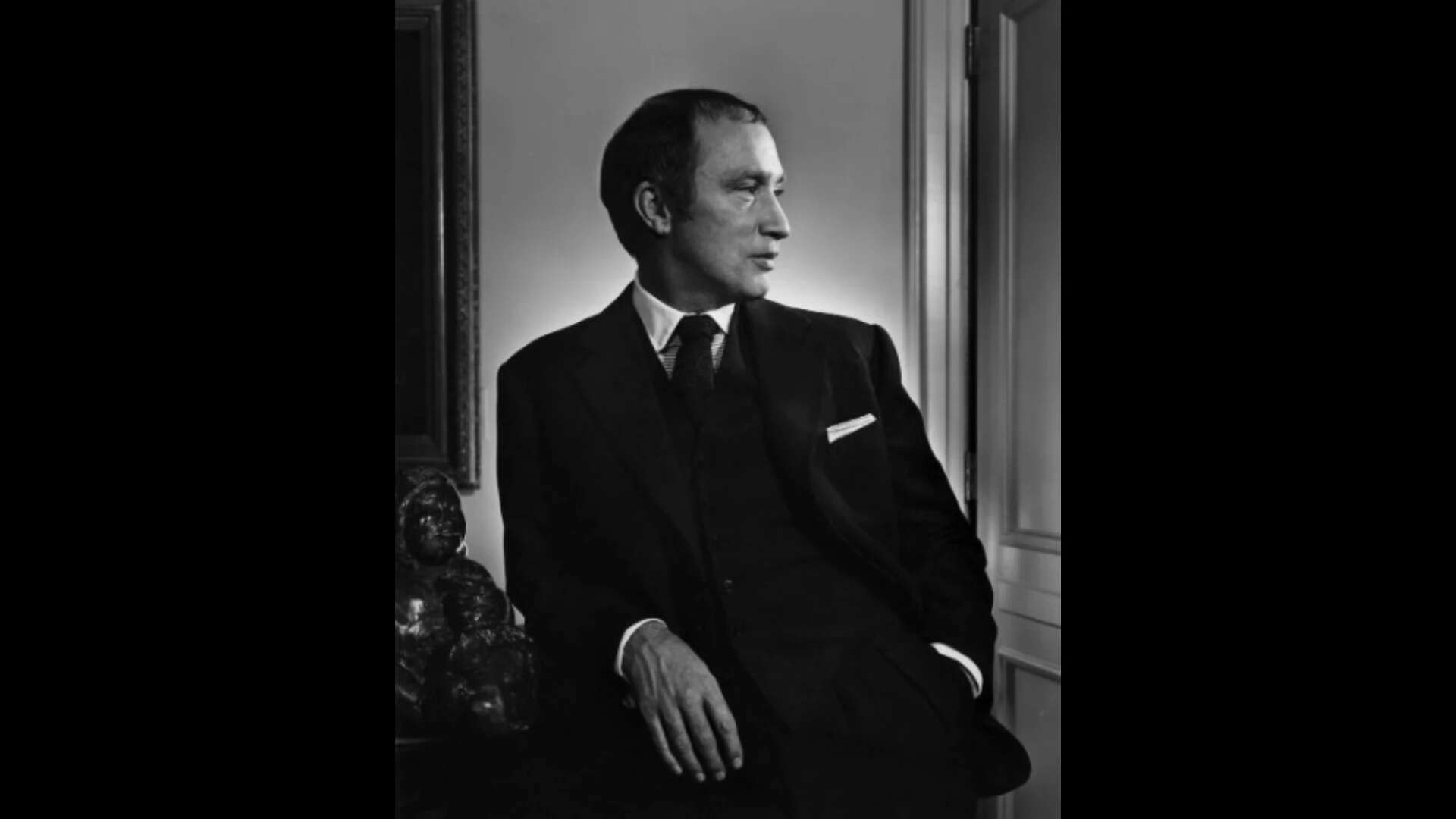
On December 21, 1967, a charismatic, 48-year-old Justice Minister named Pierre Elliott Trudeau stepped in front of a huddle of microphones on Parliament Hill. He was defending a massive, controversial piece of legislation designed to overhaul Canada’s outdated Criminal Code.
Looking directly at the reporters, Trudeau uttered the words that would define his early career: "There's no place for the state in the bedrooms of the nation."
For decades, popular history has treated this moment as a triumphant, sudden awakening for gay rights in Canada. The narrative is neat, tidy, and wrong. We like to pretend that a singular, progressive hero waved a legislative wand and instantly made Canada a safe place for queer people.
The real story is a lot more complicated, a lot more political, and far less progressive than you think.
The Grim Reality of the Klippert Case
Trudeau didn't just wake up one morning in 1967 and decide to champion gay rights out of pure altruism. He was pushed by a massive public controversy, and specifically, by the tragic legal saga of a man named Everett George Klippert.
Klippert was an ordinary mechanic working in the Northwest Territories. In 1965, police investigated him during an arson inquiry. Klippert had nothing to do with the fire, but during questioning, he honestly admitted to investigators that he was gay and had engaged in consensual sex with men.
Under Canada’s legal system at the time, that honesty was a one-way ticket to prison.
He was convicted of "gross indecency." Worse, the court labeled him a "dangerous sexual offender," a designation usually reserved for violent predators. This meant Klippert was slapped with an indefinite prison sentence. He was locked up with no release date in sight, simply for being a gay man who had private, consensual relationships.
When the Supreme Court of Canada upheld Klippert's sentence in late 1967, the public reaction was explosive. Even conservative commentators felt that locking a man up forever for private, consensual acts was draconian. The system looked archaic. Pierre Trudeau, a legal intellectual who wanted to position Canada as a modern, secular society, knew the government had to act.
What Bill C-150 Actually Did
The resulting legislation was Bill C-150, a massive omnibus bill that tackled everything from abortion access to lottery laws and Drunk driving. But the section decriminalizing homosexuality came with massive, fine-print catches that people conveniently forget today.
First, it didn't legalize homosexuality. It merely created a narrow legal exception for "sodomy and gross indecency" under highly specific conditions.
To avoid arrest, the act had to happen strictly "in private" between two consenting adults. If a third person was in the room, it was a crime. If it happened anywhere outside a private home—say, a hotel or a parked car—it was a crime.
Second, the age of consent was set at 21. For heterosexual Canadians, the age of consent at the time was much lower. This double standard meant that young gay men were still actively targeted by the law.
The political strategy behind the bill wasn't about liberation; it was about containment. Trudeau’s successor as Justice Minister, John Turner, even pitched the legislation to homophobic Members of Parliament by arguing that homosexuality was a mental illness that needed healing rather than criminal punishment. It was a tactical compromise to get the bill passed, not an embrace of equality.
The Post-1969 Paradox
Here is the most shocking detail that the sanitized history lessons leave out: after Bill C-150 passed into law in 1969, police arrests of queer individuals actually went up, not down.
By drawing a strict line around the private bedroom, the state effectively declared open season on queer life anywhere else. Because gay bars, bathhouses, and community spaces were explicitly public, police forces across Canada used other laws—like "gross indecency" and keeping a "common bawdy-house"—to launch massive, aggressive raids.
The state didn't leave the bedroom; it just stood outside the door waiting for people to walk out.
This came to a boiling point more than a decade later during the 1981 Toronto bathhouse raids, known as Operation Soap. Police arrested more than 280 men in a single night, marking one of the largest mass arrests in Canadian history. The community didn't win safety because of Trudeau's 1967 quote; they won it by taking to the streets in mass protests after the state violated the spirit of that very promise.
The Long Road Beyond the Bedroom
If you look closely at the timeline, True legal equality took decades of hard, painful activism that happened long after Pierre Trudeau left office.
- 1977: Quebec becomes the first major jurisdiction in Canada to manage to ban discrimination based on sexual orientation in its provincial Human Rights Code.
- 1992: The federal court ends the ban on gay, lesbian, and bisexual people serving openly in the Canadian Armed Forces.
- 1996: The federal government explicitly adds sexual orientation to the Canadian Human Rights Act.
- 2005: Canada legalizes same-sex marriage nationwide with the Civil Marriage Act.
Relying on a single political quote to summarize gay rights in Canada ignores the activists who actually did the heavy lifting. Trudeau's quote was a pragmatic legal adjustment designed to clean up a messy Criminal Code after the embarrassment of the Klippert case. It was a vital starting point, but it was far from the finish line.
If you want to understand history accurately, look past the witty political scrums. Stop treating 1969 as the year of total liberation. Instead, look at the decades of protests, court battles, and community organizing that dragged Canada into the modern world. The bedroom was never enough; real equality required winning the right to exist out in the open. You can start by reading up on the 1981 Operation Soap protests to see exactly how Canadian queer history was actually forged.