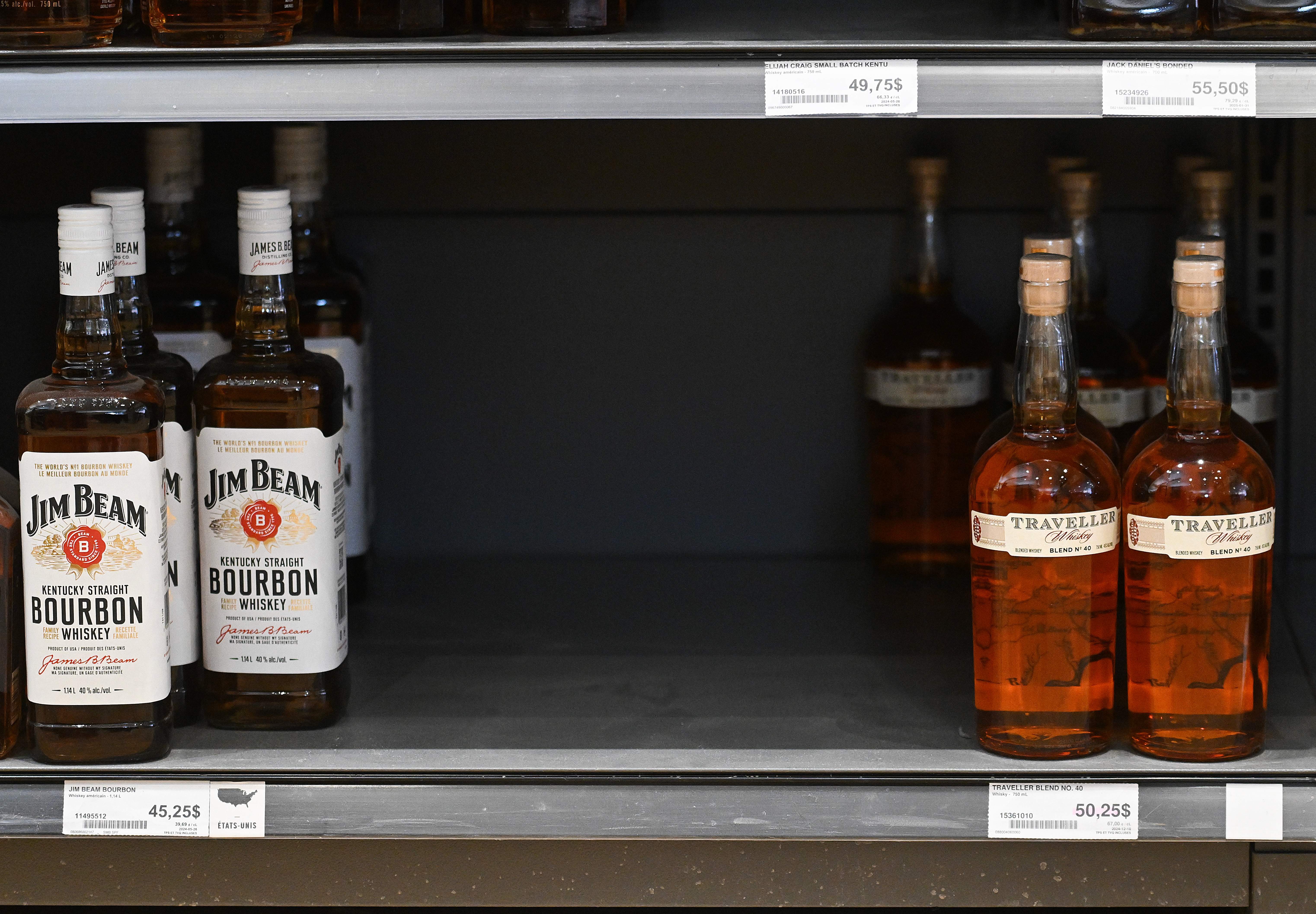
Trade wars rarely start in Parliament Hill boardrooms. They usually land right in front of grocery store displays and provincial liquor store aisles. When cross-border tensions spike and aggressive duties hit billions in cross-border goods, local politicians and everyday shoppers find themselves on the front lines.
Right now, the battle lines are drawn across western provinces as regional leaders weigh whether to pull American alcohol from store shelves. It is a classic economic pressure tactic, but executing it brings its own set of messy headaches for local supply chains and consumers.
The Push to Clear American Bottles Off Shelves
Opposition politicians in Saskatchewan are actively pushing Premier Scott Moe to take a page from past trade disputes. The strategy is simple: put your elbows up, clear American liquor out of state-run and provincial retail spaces, and make economic noise that resonates south of the border.
Saskatchewan and Alberta remain rare exceptions where American spirits stay widely available on government and private shelves compared to jurisdictions that swiftly ban them during trade friction. Critics argue keeping Kentucky bourbon and Tennessee whiskey accessible weakens the national bargaining position. Trade specialists point out that retail boycotts act as quick political signaling. They force local consumers to notice the trade war every time they walk into a store.
Yet, provincial premiers face a delicate balancing act. Pulling inventory creates immediate gaps for local businesses and independent hospitality owners who rely on diverse product lineups to survive.
What Consumers and Small Businesses Face Next
For local shop owners, rapid policy shifts mean total operational whiplash. Running a small business becomes nearly impossible when supply costs swing wildly based on shifting tariff announcements.
If you manage a local restaurant, bar, or independent bottle shop, the constant threat of retaliatory duties creates massive inventory anxiety. Stocking up early triggers massive cash flow problems. Waiting too long risks sudden price surges or empty shelves.
Shoppers are noticing the friction immediately at checkout counters. Consumers buying domestic alternatives are paying higher prices due to broader economic pressures, while fans of imported labels face sudden scarcity.
Navigating the Economic Fallout
If you want to protect your wallet and support local industries during ongoing trade disputes, focus on practical adjustments:
- Audit your purchasing habits and explore regional craft distilleries that aren't exposed to cross-border duties.
- Keep an eye on provincial retail announcements for sudden inventory clearance sales or product substitutions.
- Support independent retailers who transparently communicate how supply chain changes impact their pricing.
Economic retaliation at the liquor store counter is rarely neat, but it remains one of the loudest levers regional politicians can pull when bilateral talks collapse.


