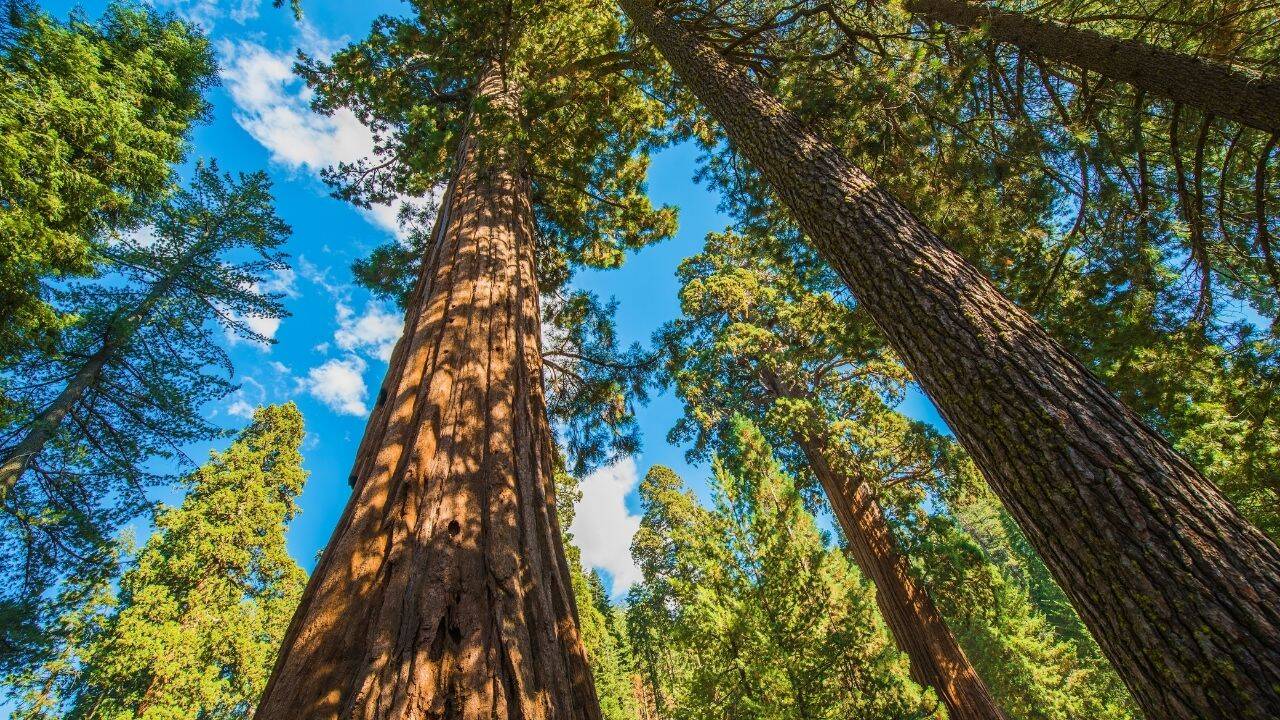
Environmentalists and agency heads are repeating a comforting story about the American West. The narrative goes like this: giant sequoias evolved with low-intensity fires, a century of aggressive fire suppression packed the forest floor with fuel, and the solution is as simple as scaling up controlled burns.
It is a clean, appealing, and profoundly flawed playbook. Also making waves lately: The Space Between the Podium and the Dinner Table.
If you talk to the practitioners carrying drip torches in the Sierra Nevada, you uncover a far uglier truth. The consensus strategy around prescribed fire is failing. Relying on controlled burning as a silver bullet for saving Sequoiadendron giganteum is not just naive—it is actively compounding the crisis.
The institutional obsession with low-intensity prescribed fire misreads the history of forest ecology, ignores the reality of modern climate dynamics, and hides bureaucratic risk aversion behind environmental virtue signaling. If we do not overhaul our approach to forest management immediately, we will watch the world's largest living organisms burn to ash while holding an empty drip torch. Further insights on this are explored by BBC News.
The Myth of the Gentle Burn
The fundamental flaw in current forestry doctrine is the belief that pre-settlement forests were gentle, uniform gardens sculpted entirely by low-severity fires.
That is bad history and worse ecology.
Tree-ring research from leaders in fire ecology, including work out of UC Berkeley and the U.S. Geological Survey, demonstrates that historical fire regimes were variable and dynamic. They included mixed-severity fires that ripped through patches of forest, creating canopy gaps, clearing out competing shade-tolerant white firs, and exposing the bare mineral soil sequoia seeds require to germinate.
Today’s prescribed fire programs do not replicate these natural processes. Instead, agencies design hyper-controlled, low-temperature burns calculated strictly to avoid public complaints about smoke and minimize liability.
These tepid surface fires accomplish almost nothing useful in heavy fuel beds. They burn off top-layer pine needles while leaving dense understory thickets—what foresters call ladder fuels—completely intact. When a high-severity wildfire inevitably hits during an August heatwave, those ladder fuels carry flames directly into the ancient sequoia canopy.
By insisting on fires so safe they accomplish nothing, land managers are merely setting the stage for total destruction.
The Dangerous Math of the Burn Window
Every fall and spring, press releases trumpet new targets for prescribed burn acreage. What these announcements omit is basic atmospheric physics.
To conduct a controlled burn safely, foresters need a precise alignment of variables:
- Fuel moisture must be low enough to burn, but high enough to prevent spot fires.
- Wind speeds must remain below strictly regulated thresholds.
- Relative humidity must sit in a tight bracket.
- Atmospheric inversion layers must allow smoke to disperse away from populated valleys.
In the 20th century, that weather window opened for several weeks each year. Under modern megadrought conditions, that window has collapsed to a matter of days—sometimes hours.
When those narrow windows open, air quality management districts regularly deny burn permits to protect local communities from particulate matter. When permits are granted, federal agencies frequently lack the staff to execute the burns because personnel are tied up fighting active wildfires elsewhere.
The math is brutal. We are attempting to treat millions of acres using an operational strategy that can only be deployed on a fraction of a percent of that land each year. Expecting prescribed fire to catch up with a century of fuel accumulation is like trying to drain Lake Tahoe with a tea spoon.
Why Burning Overgrown Forests Kills the Trees We Want to Save
Throwing fire into an overgrown, long-unburned sequoia grove without preliminary mechanical intervention is reckless.
Over a century without fire, thick layers of organic duff—decomposing leaves, needles, and wood—accumulate directly around the bases of ancient trees. In some groves, this duff layer is three to four feet deep.
When a low-intensity prescribed fire burns through this deep organic mat, it does not race past. It smolders for days or weeks.
This prolonged, radiant subterranean heat bakes the shallow, feeder-root system of the sequoia. Even worse, it girdles the thick, protective bark at the base of the trunk. The tree may survive the fire itself, only to die two years later from root mortality or secondary beetle attack because its vascular system was cooked from below.
In 2020 and 2021, severe wildfires destroyed an estimated 13 to 19 percent of the world’s mature giant sequoias. What gets buried in official reports is that several high-severity runs occurred in areas where managers had previously attempted light surface burns without first mechanically removing heavy basal duff and dense understory trees.
If you do not clear the base of an ancient tree with heavy machinery or manual crews first, lighting a fire nearby is not restoration—it is execution.
The Bureaucratic Fear of Heavy Machinery
Why do environmental organizations and federal agencies double down on prescribed fire while resisting mechanical thinning?
Because fire sounds natural, while chainsaws and masticators sound like logging.
This ideological aversion to timber equipment is killing the Sierra Nevada. To save ancient sequoias, we must accept an uncomfortable truth: we need heavy, industrial timber management inside protected groves.
Mechanical thinning is not commercial clear-cutting. It is precision forest surgery. Heavy equipment can:
- Remove dense white fir thickets that act as fire ladders.
- Shred dense brush into non-hazardous mulch.
- Scrape away excessive duff from the bases of old-growth trees.
- Create wide, defensible fuel breaks that actually allow firefighters to stand their ground.
Unlike prescribed fire, mechanical thinning does not rely on weather windows. It does not blanket downwind communities in hazardous smoke. It does not escape and burn down neighboring towns—a catastrophe that has repeatedly occurred with federal prescribed burns across the American West.
Yet, every time a forest management plan proposes mechanical thinning within giant sequoia habitat, it faces a wall of litigation from preservationist groups operating on outdated mid-century ecological theories. They demand more study, more environmental impact statements, and more reliance on managed fire.
While lawyers debate in federal court, the forest continues to dry out.
The Unspoken Trade-off: Smoke, Carbon, and Realist Forestry
We must confront the ideological purity test surrounding forest carbon.
Preservationist groups often argue against mechanical thinning because heavy equipment consumes fossil fuels and logging removes carbon stored in tree trunks. They advocate for fire as the only "pure" ecological mechanism.
This is accounting fraud.
A high-severity wildfire in an unmanaged sequoia grove releases millions of tons of carbon dioxide into the atmosphere in a matter of hours, while permanently destroying the long-term carbon sink provided by thousand-year-old trees. Mechanical thinning converts small-diameter, low-value wood into wood products, biochar, or energy, locking up carbon while protecting the massive carbon reservoirs embodied in old-growth sequoias.
Furthermore, the public health costs of the "burn-only" philosophy are unsustainable. Central Valley communities already suffer from some of the worst air quality in the nation. Demanding that these populations inhale smoke from endless low-intensity burns—or catastrophic megafires—because land managers refuse to use mechanical equipment is an ethical failure.
A Pragmatic Blueprint for Sequoia Survival
If we want giant sequoias to survive the next century, we must abandon ecological romanticism and adopt a cold, pragmatic management framework.
First, strip away the regulatory red tape hindering mechanical treatments. Categorical exclusions under environmental laws must be expanded to allow immediate, aggressive thinning of ladder fuels within and adjacent to all 70-plus giant sequoia groves.
Second, resequence our interventions. Prescribed fire should never be the primary tool in an unmanaged, overgrown grove. Mechanical thinning and manual duff clearance must come first. Only after the fuel structure is physically altered and heavy basal deposits are removed should fire be introduced to clear remaining surface debris and stimulate seed germination.
Third, embrace managed wildfire under moderate conditions. We will never have the manpower or budget to manually treat every acre of the Sierra Nevada. When lightning strikes in remote areas during mild weather, fire managers must let those fires burn to perform the large-scale, patchy clearing that prescribed burns can never replicate.
Finally, fix the supply chain. Thinning millions of acres generates mountains of small-diameter wood. Without local biomass processing facilities, mill infrastructure, and biochar operations, the cost of hauling material out of the mountains is prohibitive. Government subsidies currently wasted on endless planning studies should be redirected toward building local wood-utilization infrastructure.
The survival of the giant sequoias will not be secured by well-meaning press releases or gentle fires lit on perfect autumn afternoons. It requires chainsaws, heavy machinery, and the courage to manage the forest as it exists today, rather than how we wish it were. Stop waiting for the drip torch to save us. Clear the forest floor, bring in the heavy equipment, and do the hard work before the next drought finishes the job.


