The floor tiles in New Town Plaza have seen millions of shoes. They have mirrored the hurried boots of office workers rushing for the morning train, the hesitant steps of toddlers tasting public air for the first time, the slow, shuffling weight of the elderly finding shelter from the afternoon humidity.
Every square inch of that concourse is accounted for. It is not merely concrete and polished stone. It is a ledger. Every tile has a price tag attached to it by invisible ink, calculated down to the square foot, paid for in advance by businesses hoping that the endless river of commuters will pause long enough to drop their coins. Discover more on a connected subject: this related article.
Most people do not think about the ink. They think about the sneakers in the window display, the smell of roasted coffee beans drifting from the corner kiosk, or the glowing signs promising beauty and transformation.
I remember what it feels like to stand behind one of those glass fronts. The air is always slightly too dry, chilled by central AC that costs more than a small car every month. You watch the river flow by. You pray that someone breaks formation. You pray they turn their head, see your banner, and step inside. Additional analysis by Financial Times explores comparable views on this issue.
Sometimes, they do not.
And then the calendar turns.
Consider what happens next when the river dries up, or when the weight of the overhead becomes too heavy to lift. The ledger does not care about hope. It does not care about the long nights spent staring at inventory sheets, wondering where the customers went. The ledger only asks for its numbers.
MTR Corporation knows those numbers by heart. They operate a transit empire, yes, but beneath the steel rails and the rumble of underground carriages lies a sprawling real estate portfolio. They are landlords to the city. They own the ground beneath the commerce, the walls holding up the neon, the very air of the concourses where thousands converge every single day.
When you rent a space in Sha Tin from a corporate titan like MTR, you enter a quiet compact. You take the square footage. They take the fee.
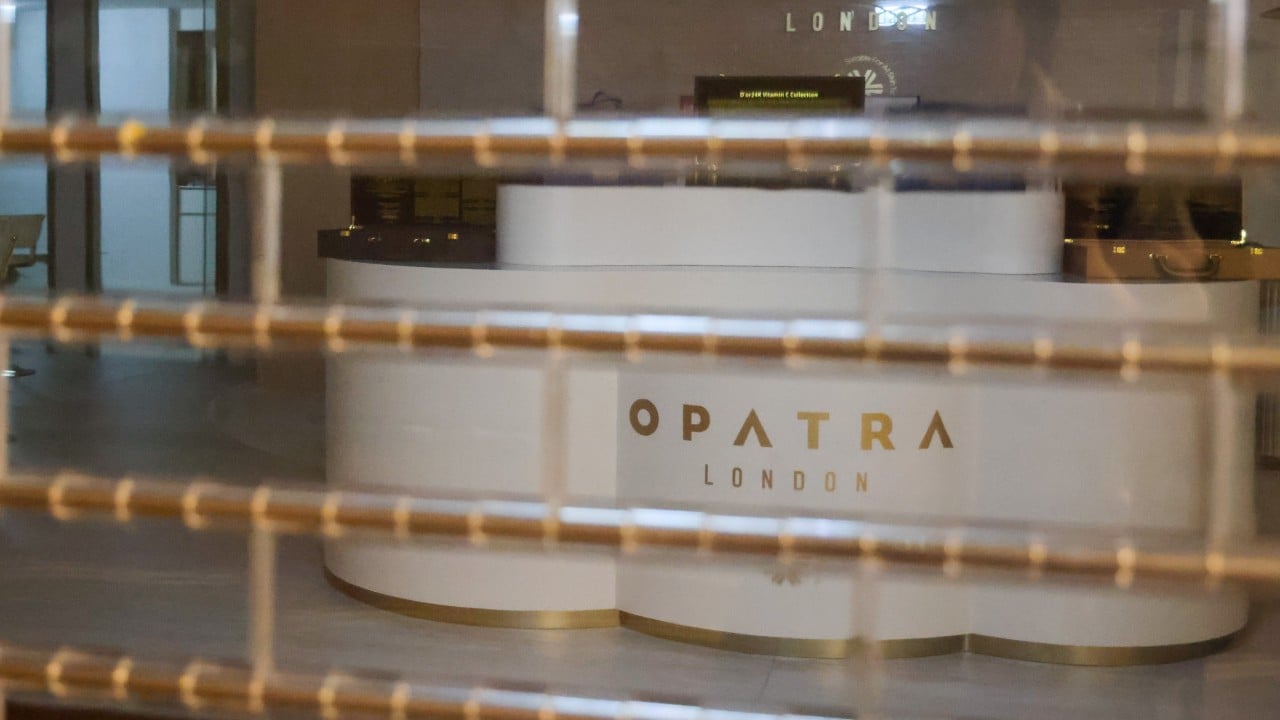
Opatra knew this compact well. Specializing in skin care and wellness gadgets—those sleek, futuristic wands and creams designed to turn back the clock in bathroom mirrors—they set up shop in New Town Plaza. They promised luxury. They promised smooth skin and modern indulgence.
Behind the gleaming products, however, a very old story was unfolding.
Rent is a relentless clock. It does not pause for slow seasons. It does not negotiate with bad economic weather. Month after month, the invoice arrives.
By the time the legal papers were filed in the District Court, the ledger had reached a tipping point. The amount in question was HK$347,000.
To a multinational transit giant, that figure is a rounding error, a drop of water in an ocean of fare box revenue and property holdings. But to a business struggling to stay afloat in one of the most expensive retail environments on earth, it is an anchor tied around the ankle. It represents management fees, air conditioning charges, promotion levies, and the cold, unyielding cost of existence inside a premier shopping destination.
This is the hidden friction of urban retail. We marvel at the gloss of the modern metropolis, the seamless integration of subway and shopping mall, the way a commuter can step off a train and immediately purchase a luxury facial massager without ever stepping out into the rain. We see the final product. We rarely see the friction that tears the machine apart from the inside.
Let us look closer at how we got here.
Retail leasing in places like Sha Tin is built on absolute certainty. Landlords like MTR provide the foot traffic—a staggering, reliable wave of humanity moving through transit hubs day after day. In exchange, they demand a premium. They act as the gatekeepers to the consumer's attention.
When a brand leases a shop in New Town Plaza, they are buying access to desperation and desire alike. The commuter wants convenience or escape. The retailer wants conversion.
When conversion fails, desperation changes sides.
Opatra operator, known formally as Opatra Limited or its regional operating entities, found themselves caught in that exact squeeze. The products they sold were high-ticket items. Beauty tech is not an impulse purchase like a carton of milk or a MTR day pass. It requires persuasion, demonstration, and disposable income. When consumer sentiment wobbles, when wallets tighten against the backdrop of broader economic shifts in Hong Kong, high-end retail is often the first domino to wobble.
A missed month here. A delayed payment there.
Landlords do not wait forever. Patience in commercial real estate has a strict expiration date, usually measured in days past the grace period. Once breached, the relationship shifts instantly from partnership to litigation.
The writ filed by MTR Corp in the court spells out the anatomy of that breakdown. It is not dramatic in the cinematic sense. There are no shouted arguments in executive boardrooms. There are only itemized columns: unpaid rent for specific periods, overdue air conditioning charges, promotion contributions left unsettled, and the accumulation of interest penalties ticking upward like a digital meter.
HK$347,000 is the sum of those quiet failures.
It is easy to view this purely as a legal dispute between a corporate giant and a defaulting tenant. A headline in the business section. A quick read before scrolling down to the weather report.
Yet, every time a shutter stays down in a major mall, something alters in the ecosystem of the city. A blank storefront appears behind wooden hoardings covered in coming soon graphics. The foot traffic flows past it, bypassing the empty space, eyes fixed on the next bright sign.
The employees who once stood behind that counter, polishing glass displays and explaining LED light therapy to curious passersby, are suddenly left wondering about their next paycheck. The middle managers caught between corporate headquarters and local store realities scramble to answer emails that have no good replies.
This is what we miss when we look only at the balance sheet.
Commerce in a dense metropolis is an intricate web of trust. The commuter trusts the train will arrive on time. The shopkeeper trusts the commuter will walk through the door. The landlord trusts the shopkeeper will honor the lease.
When one thread snaps, the tension shifts immediately to the remaining strands.
MTR Corp will recover its funds, or it will repossess the space and hand the keys to the next hopeful brand in line. The waiting list for retail space in New Town Plaza is rarely empty for long. There is always someone else willing to bet that they can make the foot traffic convert, that they can beat the rent clock, that their products will be the ones the commuters cannot resist.
The mall moves on. The trains keep running on precise schedules, regulated down to the second.
Outside the glass doors, the rain falls over Sha Tin, slicking the pavement and driving commuters back down into the bright, dry warmth of the concourse. They will walk past where the dispute happened, their shoes clicking against the exact same floor tiles, completely unaware of the ledger balanced beneath their feet.