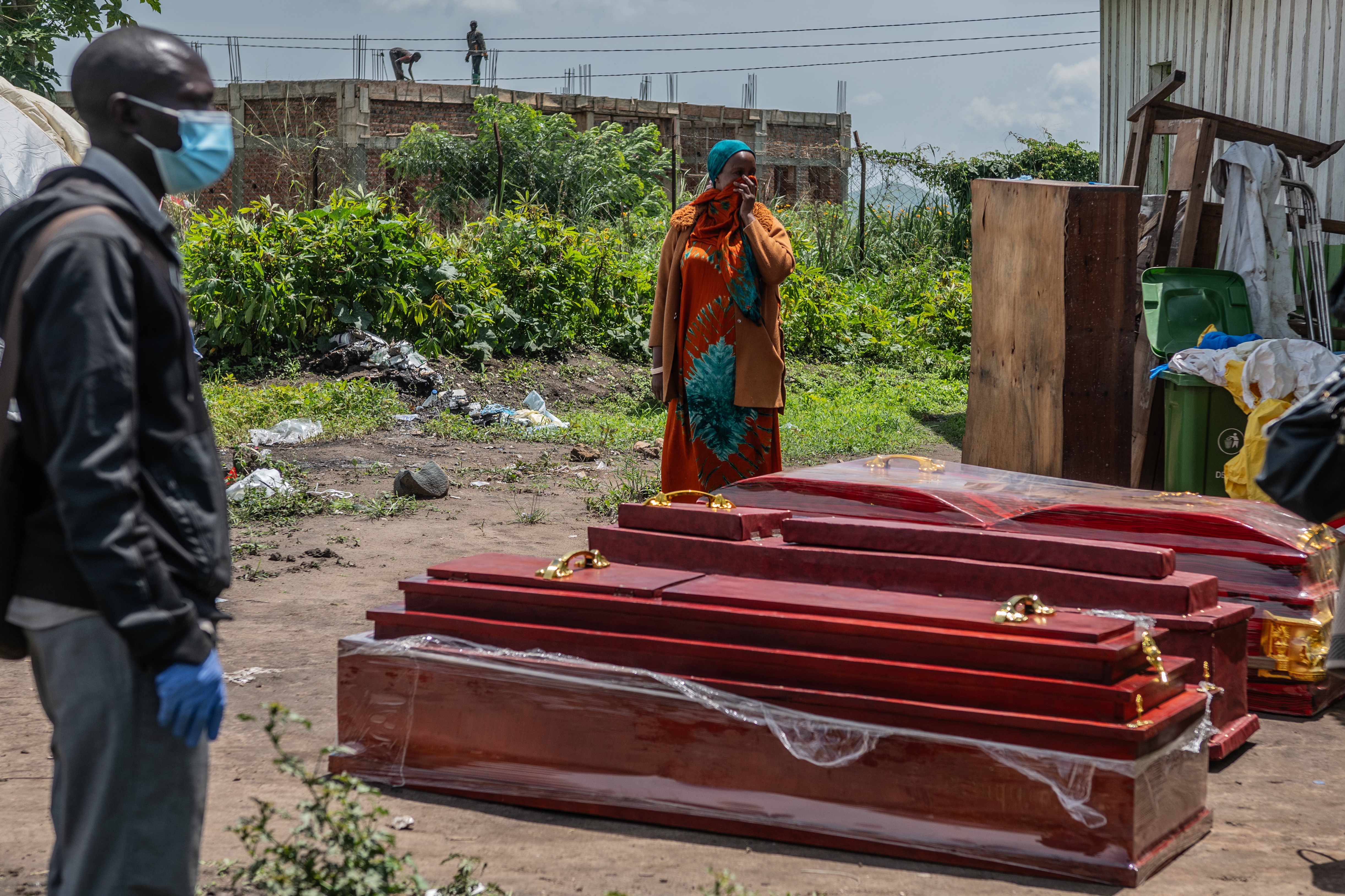
The refrigerator in a small rural clinic outside Lusaka does not care about geopolitical strategy. It only cares about electricity. Inside, chilled to a precise temperature, sit rows of vials that represent the difference between a future and a funeral. For twenty years, those vials arrived through a predictable, if bureaucratic, pipeline funded largely by American taxpayers. It was a system built on aid. It was imperfect, paternalistic, and messy. But the trucks arrived.
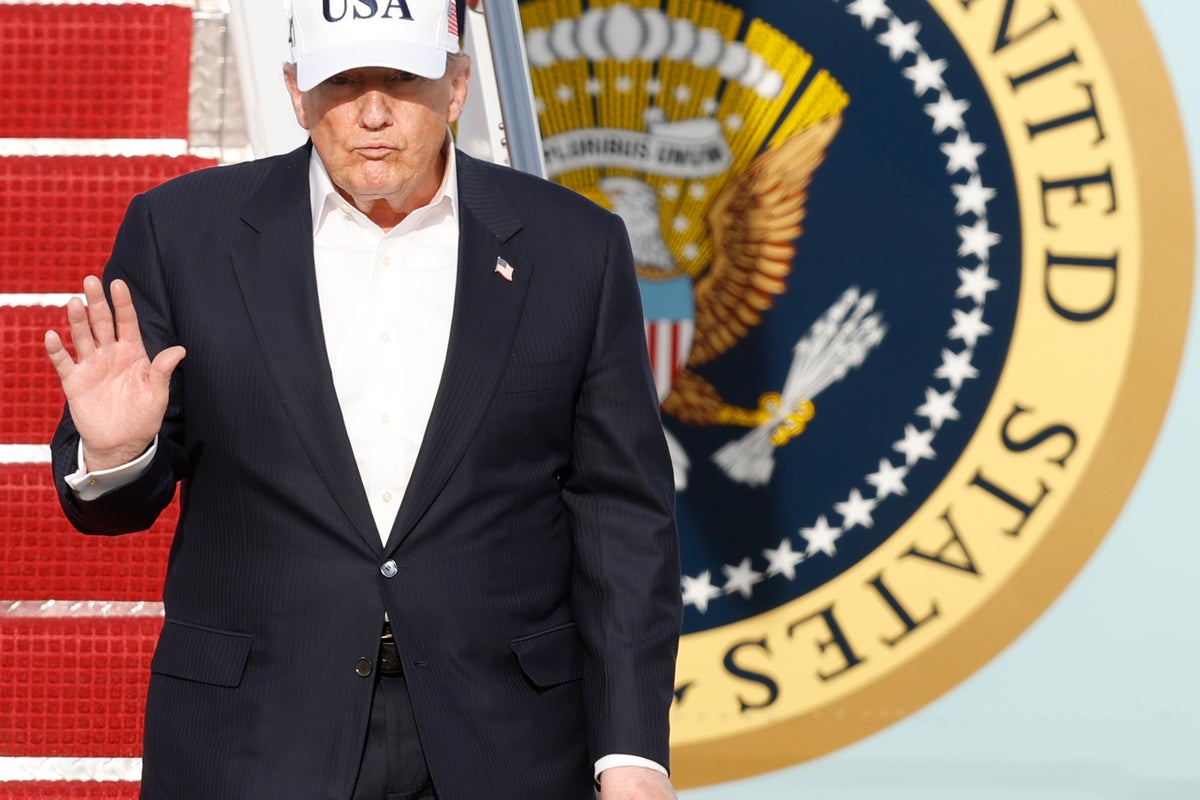
Then came the shift. The decree from Washington was simple, business-minded, and superficially logical: the era of the handout is over. In its place, the United States proposed a model of transactional deals. Trade, not aid. Reciprocity over charity. On paper, in a boardroom in Washington D.C., it sounds like progress. It sounds like treating sovereign African nations as equal partners.
But the boardroom is thousands of miles away from the clinic, and paper does not sweat.
When you treat life-saving healthcare as a market negotiation, you discover a brutal reality. Viruses do not negotiate. They do not wait for bilateral trade agreements to be ratified, and they certainly do not care about a deficit. The grand pivot from aid to health deals is stalling, and the human cost is beginning to compound.
The Mirage of the Equal Partner
To understand how we got here, look at the fundamental misunderstanding of what healthcare aid actually does. The United States President’s Emergency Plan for AIDS Relief, known as PEPFAR, was not just a charity case. Launched in 2003, it was a massive, stabilizing geopolitical intervention. It saved millions of lives. It built laboratories, trained nurses, and created supply chains where none existed.
The new doctrine attempted to take this massive apparatus and turn it into a series of quid-pro-quo agreements. The argument goes that by forcing African governments to buy into their own healthcare infrastructure through trade concessions or matching funds, you create sustainability.
Consider a hypothetical minister of health in a developing sub-Saharan nation. Let's call her Miriam. Miriam enters a negotiation room with American trade representatives. She wants to secure continued access to affordable maternal health equipment and antiretroviral drugs. The Americans want lowered tariffs on US agricultural exports and digital commerce access.
This is not a meeting of equals.
Miriam is balancing a national budget already suffocated by inflation and debt service. If she agrees to lower tariffs on American corn to secure the health deal, she decimates her country’s own farmers. If she refuses, the health funding dries up. The deal becomes a hostage situation wrapped in the language of diplomacy.
The logic of the marketplace dictates that a deal must benefit both bottom lines. But in public health, the return on investment is not measured in quarterly dividends. It is measured in outbreaks prevented. It is measured in children who grow up with mothers. When you force healthcare into a trade framework, the country with the smaller GDP always starts with a losing hand.
When the Supply Chain Snaps
The transition from direct aid to negotiated deals creates a terrifying vacuum. Under the traditional aid model, international procurement agencies bought medications in massive, global bulks. This kept prices low and manufacturing consistent.
Now, as the US pressures nations to transition to independent purchasing through specific bilateral frameworks, that collective bargaining power evaporates.
Last year, in a bustling medical storehouse in Nairobi, the shelves reserved for specific pediatric antibiotics sat empty for three weeks. The delay was not caused by a shortage of raw materials. It was caused by a dispute over intellectual property clauses in a pending trade agreement. A US pharmaceutical firm wanted strict patent protections extended as part of the broader health-and-trade package; the local government argued this would make generic equivalents illegal, driving costs up by four hundred percent.
While lawyers argued over the semantics of patent law in air-conditioned offices, doctors in the field resorted to splitting adult dosages for infants. It is imprecise. It is dangerous. It is the direct result of turning medicine into a bargaining chip.
The statistics back up the chaos. Recent data on global health funding transitions show that when bilateral trade metrics are introduced into health assistance, delivery timelines slow down by an average of forty-two percent. In the world of infectious disease, a forty-two percent delay is an eternity. It is the window an epidemic needs to cross a border.
The Invisible Stakes of the Long Game
There is a historical amnesia at play here. Public health stability is the bedrock of economic stability, not a reward for it. You cannot build a robust trading partner out of a sick population.
When the US pulls back its traditional health assistance in favor of hard-nosed deal-making, it does not leave a void for long. Other global powers are watching. They are waiting.
Walk through any major public hospital in West Africa today and you will see something telling. The diagnostic machines, the digital scanning equipment, the newly paved access roads—increasingly, they do not bear the logo of American aid. They bear the markers of Chinese state-backed enterprises or European consortiums.
These nations are not offering charity either. They are offering infrastructure in exchange for long-term access to critical minerals like cobalt and lithium, which are essential for the global tech economy. But their terms are different. They do not attach the same democratic strings or human rights metrics that Western aid historically required.
By restructuring health aid into a cold transaction, the US is losing its greatest geopolitical asset: soft power. Trust is a currency that takes decades to earn and a single broken contract to lose. When a community associates America not with the doctor who saved their child, but with a stalled trade negotiation that left their clinic dark, the strategic loss is catastrophic.
The View from the Concrete
It is easy to get lost in the macroeconomics of bilateral treaties. To truly understand the failure of this policy shift, you have to look at the ground level, away from the capital cities.
Imagine a woman named Amina. She lives in a village three hours away from the nearest paved road. She is pregnant, and she is HIV-positive. Under the old framework, her treatment was simple and free, subsidized by global health funds that viewed her survival as the ultimate goal.
Today, the clinic she visits is caught in the middle of the transition. The US funding is now tied to a complex "co-investment" model. The local government is supposed to match the American funds, but the local government is currently experiencing a currency crisis. s
The nurse at the clinic has to look Amina in the eye and explain that while the medicine is still technically available, there is now a administrative user fee to cover the distribution costs that the new deal no longer blankets. It amounts to about two dollars.
To a policymaker, two dollars is insignificance. It is a rounding error.
To Amina, two dollars is three days of food for her family. She walks away without the pills.
This is how progress unravels. Not with a dramatic announcement or a sudden catastrophe, but with a quiet calculation made by a penniless mother on a dirt path. The statistics will later record her child’s illness as a failure of local healthcare compliance. The reality is much simpler: the system chose a transaction over a life.
Redefining the Contract
The problem is not the desire for self-reliance. Every African nation leader worth their title wants to move away from dependency on foreign aid. They want robust economies that can fund their own hospitals.
The failure lies in the delusion that you can skip the transition phase. You cannot flip a switch from aid to trade when the infrastructure is still fragile. True partnership requires building capacity, not demanding concessions from an exhausted adversary across a negotiating table.
If health deals are to replace aid, they cannot be structured like corporate mergers. They must be structured as long-term investments in global security. Because the ultimate truth of public health remains unchanged, no matter who occupies the White House: a pathogen anywhere is a threat everywhere.
The boardroom table is polished wood. It reflects the overhead lights, clean and sharp. But the clinic floor in Lusaka is concrete, stained by use and washed with well water. The gap between those two surfaces is where policy goes to die. Until the deals signed in the capital are written with the reality of the concrete in mind, the ink will continue to run, and the clinics will continue to wait.