More than 31,000 people have signed a petition demanding an independent public inquiry into the intense media scrutiny faced by the late Cambridge academic Professor Jason Arday. Organised primarily by the Good Law Project alongside other activist groups, the campaign has sparked a fierce national debate about press standards, mental health safeguards, and systemic racism in Britain.
If you have been following the headlines, you know this story touches on much more than a single academic dispute. It exposes deep fractures in how public figures are treated when institutions, social media mobs, and newspapers collide.
The Core Controversy Behind the Numbers
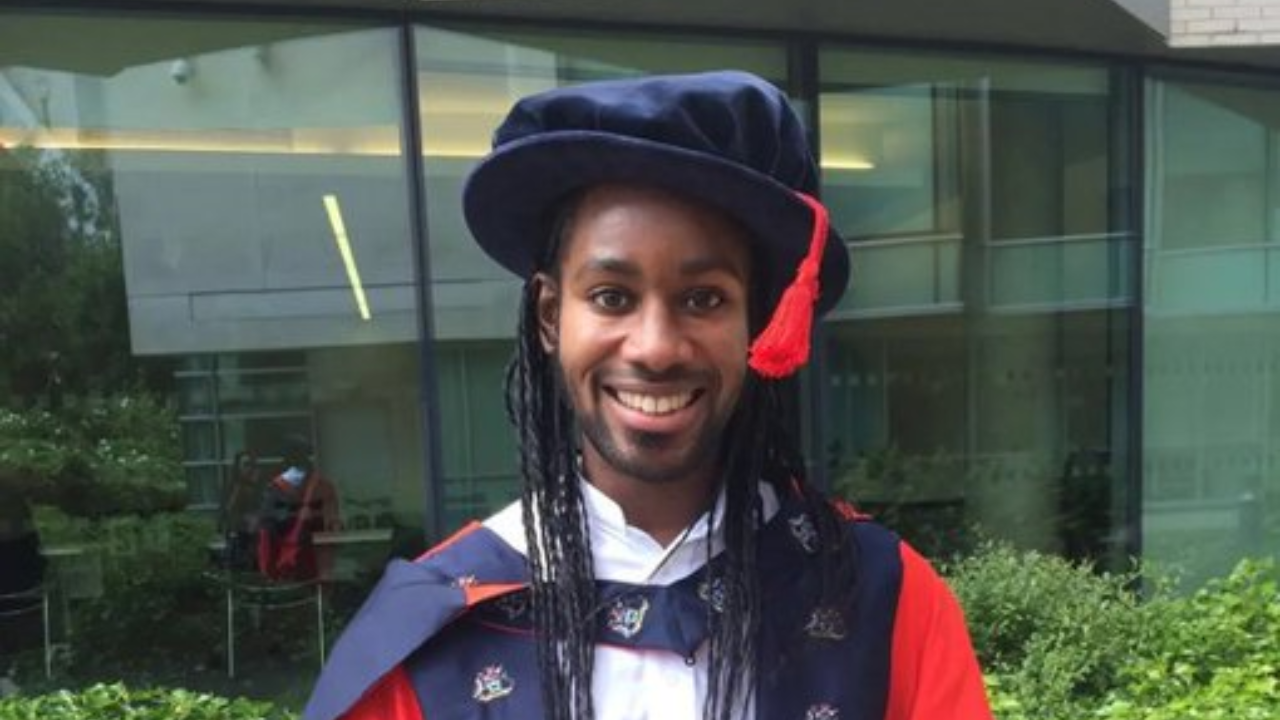
The petition follows the tragic death of 41-year-old Jason Arday, who made history as Cambridge’s youngest Black professor when appointed in 2023. Earlier in August, Arday resigned from the University of Cambridge and Jesus College after a wave of public allegations concerning his doctoral thesis, background, and charitable achievements.
Critics and media outlets pointed to inconsistencies in his academic record and personal history. However, supporters, family members, and mental health advocates argue that the relentless pace and volume of the coverage crossed the line from legitimate journalistic inquiry into a malicious harassment campaign.
Prominent figures, including Cambridge autism researcher Simon Baron-Cohen, warned media organisations while the storm was brewing that the relentless targeting of an autistic individual posed severe safeguarding risks. Despite private and public warnings, the coverage continued to escalate, prompting widespread outrage once the tragic outcome became clear.
Why Accountability and Press Standards Are on Trial
The petition does not just mourn a loss; it targets a systemic failure in press self-regulation. Signatories argue that bodies like the Independent Press Standards Organisation (IPSO) have failed to protect vulnerable individuals from targeted pile-ons.
When public figures face scrutiny, the line between holding power to account and personal destruction often gets blurred. Critics of the coverage note a stark disparity in how allegations are handled depending on who is in the hot seat. Similar or even more severe allegations involving high-profile white figures have historically garnered fractionally less intense, sustained hostility.
This double standard sits at the heart of the demand for an official government review. People want answers on whether racial bias and sensationalism dictate modern editorial decisions.
What Happens Next With the Campaign
With tens of thousands of signatures backing the call for an independent review, pressure is mounting on government officials to respond. The petition urges a hard look at three critical areas:
- The proportionality, volume, and conduct of media coverage surrounding misconduct allegations.
- The duty of care and welfare protections enforced by universities during internal investigations.
- The systemic impact of racial bias within high-profile public shaming.
Ignoring these questions will only allow the cycle to repeat. Real reform requires looking honestly at the mechanics of modern media outrage and demanding strict ethical guardrails before another life is compromised.