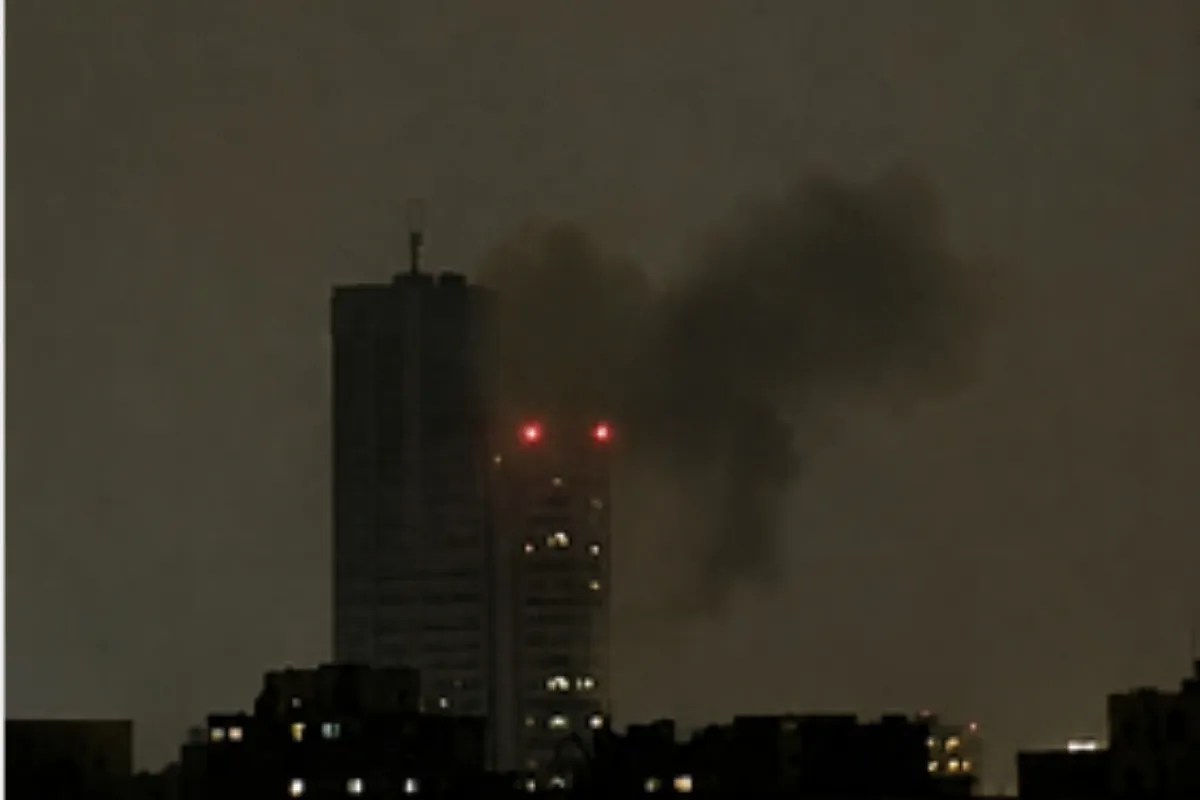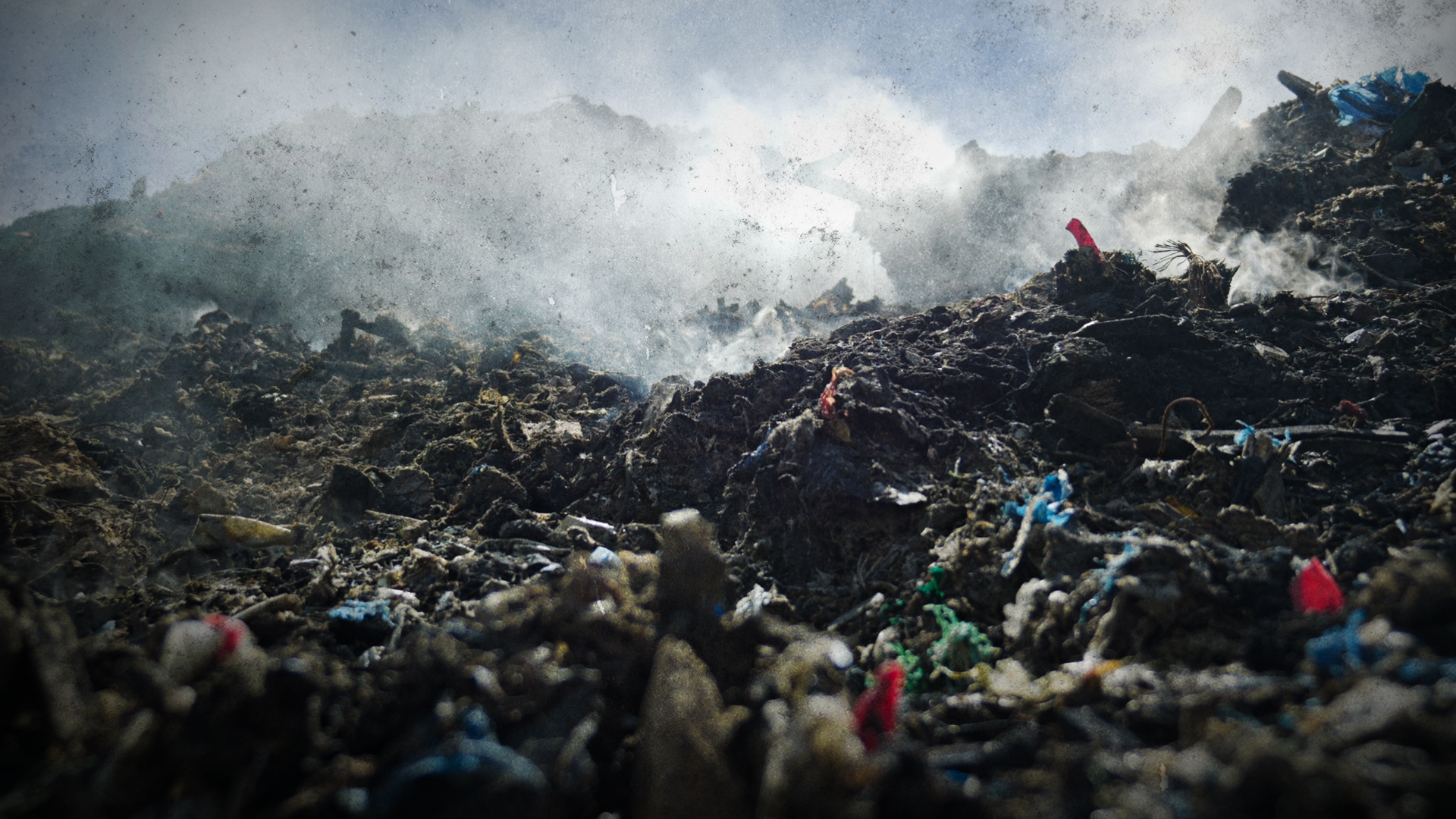
Uncontrolled municipal waste accumulation presents a tri-fold vectors-of-exposure threat to public health: soil contamination via heavy metals, ground-water leaching via unregulated runoff, and airborne toxic dispersion through spontaneous micro-combustion. When illegal waste deposits reach critical mass, the localized ecological damage transforms from a passive nuisance into an active, self-sustaining vector of bio-toxicity. Addressing this crisis requires moving past reactive cleanup efforts and instead mapping the structural decay that enables these illegal dumps to persist, evaluating their precise biomechanical risks, and implementing systematic containment protocols.
The Tri-Vector Hazard Architecture of Illegal Waste Deposits
Illegal waste sites do not degrade uniformly; they operate as unstable chemical reactors where varying material compositions interact under heat, moisture, and compression. The localized risk profile splits across three physical states, each presenting distinct pathways for human and environmental exposure.
Solid-Phase Contamination and Soil Bioaccumulation
Direct soil contamination occurs through the slow disintegration of non-inert synthetic materials, treated timber, and discarded industrial electronics. Lead, cadmium, hexavalent chromium, and polybrominated diphenyl ethers (PBDEs) migrate directly into the upper soil strata through simple mass transfer.
[Image of biomagnification process]
The mechanical failure of waste containment creates a cascading bioaccumulation chain:
- Topsoil Degradation: Heavy metals bind to organic soil matter, permanently altering soil pH and destroying the local microbial biome necessary for organic decomposition.
- Vegetative Absorption: Vascular plants draw soluble toxic metals through root systems, concentrating synthetic compounds within plant tissue.
- Trophic Transfer: Grazing fauna and local urban wildlife consume contaminated foliage, concentrating bio-persistent compounds up the food chain toward human agricultural supplies.
This bioaccumulation cycle operates on a multi-decade timeline. Even after physical debris removal, the topsoil layer remains contaminated unless labor-intensive soil remediation techniques—such as phytoremediation or thermal desorption—are applied.
Liquid-Phase Migration and Aquifer Contamination
The primary vector for systemic ecological damage is leachate: a concentrated liquid byproduct formed when atmospheric precipitation filters through decomposing waste. As water percolates through mixed debris, it dissolves soluble organic compounds, heavy metals, and synthetic chemicals, yielding a high-toxicity fluid characterized by extreme Chemical Oxygen Demand (COD) and elevated Biological Oxygen Demand (BOD).
[Precipitation Input] ➔ [Debris Compression Layer] ➔ [Leachate Formation] ➔ [Subsurface Migration] ➔ [Unconfined Aquifer Penetration]
When waste deposits lack an engineered impermeable liner—such as a high-density polyethylene (HDPE) membrane paired with a bentonite clay layer—leachate migrates downward driven by gravitational head.
The fluid breaches unconfined aquifers, introducing volatile organic compounds (VOCs) such as benzene, trichloroethylene, and vinyl chloride into local groundwater tables. The hydraulic conductivity of the surrounding soil dictates the speed of the plume's expansion; sandy soils facilitate rapid horizontal transport, while dense clay restricts movement but creates persistent localized toxicity zones.
Gas-Phase Dispersion and Atmospheric Toxicity
Waste deposits undergo anaerobic digestion when oxygen becomes depleted beneath the surface layer. This process produces biogas comprised primarily of methane ($CH_4$) and carbon dioxide ($CO_2$), alongside trace concentrations of hydrogen sulfide ($H_2S$), mercaptans, and non-methane organic compounds (NMOCs).
The primary atmospheric threat arises from micro-combustion events. Subsurface methane buildup, combined with exothermic oxidation of organic material, frequently triggers spontaneous ignition within the waste mass. These low-oxygen, smoldering fires burn at temperatures insufficient to complete thermal destruction of complex polymers, resulting in the formation and airborne dispersion of:
- Polychlorinated Dibenzodioxins (PCDDs) and Dibenzofurans (PCDFs): Highly persistent carcinogens formed during the low-temperature combustion of polyvinyl chloride (PVC) plastics.
- Fine Particulate Matter ($PM_{2.5}$): Microscopic respirable particles capable of penetrating deep into alveolar tissue, carrying adsorbed heavy metals directly into the human bloodstream.
- Polycyclic Aromatic Hydrocarbons (PAHs): Airborne combustion byproducts that pose acute respiratory hazards and long-term mutagenic risks to nearby populations.
Because these subsurface fires burn without open flames, traditional surface-applied water suppression often exacerbates the problem by accelerating leachate generation without lowering internal core temperatures.
Systemic Economics Driving Dumping Infrastructure Failures
Illegal dumping is fundamentally an economic arbitrage problem driven by systemic failures in municipal municipal waste infrastructure. Municipal tipping fees, regulatory compliance costs, and transportation logjams create a financial incentive for non-compliant waste handlers to externalize disposal costs onto public land.
The economic model of illegal waste management follows a simple cost-minimization function:
$$C_{illegal} = P_{detection} \times F_{penalty} + C_{transport}$$
When the probability of detection ($P_{detection}$) approaches zero due to unmonitored rural or post-industrial zones, and fines ($F_{penalty}$) remain fixed below the commercial cost of legal tipping fees ($C_{legal}$), illegal dumping becomes a mathematically rational choice for unethical operators.
Commercial operators exploit several operational loopholes:
- Permit Fraud and Shadow Transfer Stations: Entities collect fees from municipal generators while operating under temporary or fraudulent sorting permits, dumping the residual, non-recyclable mass on isolated sites once revenue is collected.
- Co-mingling Hazardous and Inert Waste: Mixing low-cost construction debris with high-cost hazardous materials (such as asbestos insulation or chemical drums) to bypass strict manifest tracking systems.
- Exploitation of Jurisdictional Friction: Depositing waste along boundaries between municipal authorities where enforcement responsibilities overlap, slowing down regulatory intervention and legal enforcement actions.
To dismantle this economic model, municipal authorities must shift enforcement mechanisms to alter the cost function directly.
Risk Assessment Framework for Uncontrolled Waste Mass
To prioritize remediation interventions, municipal health organizations must evaluate illegal sites using a quantitative risk matrix based on volumetric density, proximity to hydrologic features, and exposure proximity to human populations.
| Risk Parameter | Low Exposure Potential | Moderate Exposure Potential | High Acute Risk |
|---|---|---|---|
| Volumetric Scale ($m^3$) | $< 100\text{ m}^3$ | $100 - 1,000\text{ m}^3$ | $> 1,000\text{ m}^3$ |
| Material Composition | Inert masonry, uncontaminated earth | Mixed municipal waste, bulky plastics | Hazardous drums, asbestos, electronic waste |
| Hydrologic Proximity | $> 1,000\text{ m}$ to water table or surface water | $200 - 1,000\text{ m}$ to water table or surface water | Direct contact with groundwater table or $< 200\text{ m}$ to surface water |
| Human Receptors | $> 5\text{ km}$ to residential zones | $1 - 5\text{ km}$ to residential zones | $< 1\text{ km}$ to residential or agricultural zones |
Sites categorized under "High Acute Risk" require immediate isolation protocols rather than deferred administrative processing. Delayed action allows leachate plumes to expand exponentially, driving remediation costs up by orders of magnitude per unit of time.
Operational Protocol for Site Neutralization and Remediation
Eliminating the public health risks posed by high-density dumping grounds requires a multi-phase engineering and regulatory response. Relying solely on periodic waste removal without structural mitigation guarantees re-contamination of the site within six to twelve months.
Phase 1: Physical Containment and Plume Interception
Before full site excavation begins, operators must halt the active migration of toxic compounds into adjacent ecosystems:
- Hydrologic Isolation: Construct perimeter slurry trenches filled with bentonite clay down to the impermeable soil layer to prevent horizontal groundwater flow through the waste mass.
- Leachate Capture: Drill vertical extraction wells along the downhill hydraulic gradient to pump out accumulated leachate for off-site advanced oxidation processing.
- Surface Capping: Apply a temporary synthetic low-permeability cover over the waste pile to reduce rainwater infiltration and cut off the primary driver of leachate generation.
Phase 2: Material Categorization and Excavation
Excavation must proceed under controlled atmospheric conditions to protect cleanup personnel and surrounding residential zones:
- Establish real-time air monitoring arrays for volatile organic compounds ($VOCs$), methane ($CH_4$), and hydrogen sulfide ($H_2S$) around the site perimeter.
- Implement mechanical sorting lines on-site to segregate inert aggregate, recyclable metals, hazardous chemical fractions, and high-energy RDF (Refuse-Derived Fuel) materials.
- Transport all hazardous fractions under strict waste-manifest tracking protocols to licensed hazardous waste incinerators or secure engineered landfills.
Phase 3: Site Stabilization and Infrastructure Reinforcement
To prevent the target area from being re-utilized as an illegal disposal site, municipal authorities must alter the physical and operational landscape:
- Automated Surveillance Arrays: Install solar-powered license plate recognition (LPR) camera systems along access corridors leading to high-risk zones.
- Physical Access Barriers: Install concrete jersey barriers, heavy earth berms, and reinforced fencing to prevent heavy commercial vehicles from offloading materials.
- Legal Enforcement Restructuring: Increase administrative civil penalties so that minimum fines exceed the commercial cost of legal disposal by a factor of five, eliminating the financial incentives behind illegal dumping operations.
Deploy municipal capital directly into physical perimeter security and automated detection networks at the top three highest-volume sites. Implement continuous groundwater monitoring down-gradient from these zones to track leachate plume boundaries in real time, and adjust tipping-fee subsidies for commercial waste haulers to eliminate the economic advantage of non-compliant disposal.