The map of rural America is being redrawn parcel by parcel, acre by acre, beneath the steady hum of idling excavators and the sharp scent of fresh asphalt. For decades, the narrative surrounding suburban sprawl has been one of inevitable surrender. Farmland yields to logistics hubs, housing subdivisions swallow cornfields, and local tax revenues dictate that concrete ultimately defeats the plow. Yet beneath the surface of this relentless expansion, a quiet counter-movement is taking shape, relying not on government zoning boards or prolonged court battles, but on legal instruments nearly as old as the republic itself: conservation easements.
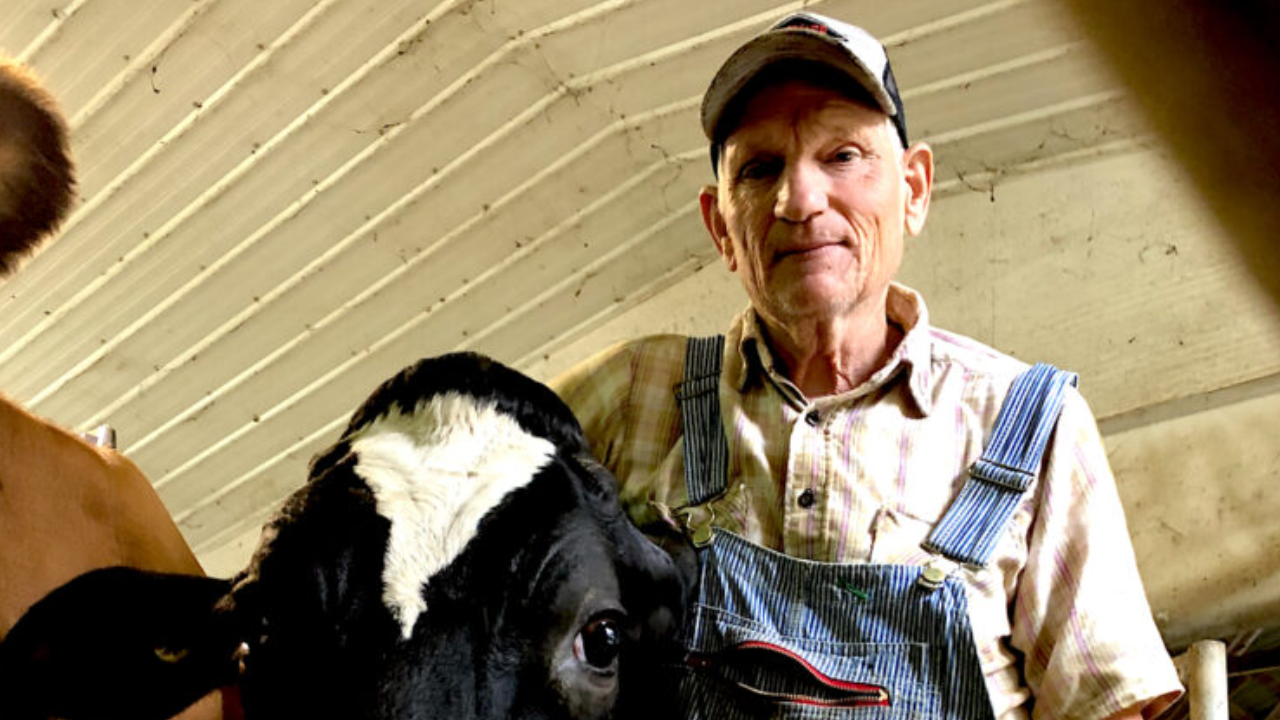
Consider the recent 170-acre tract preserved by Biddle. Stripped of sensationalism, the transaction represents a tactical victory for agricultural advocates who understand that once topsoil is paved over, it is gone for generations. But treating this single arrangement as a heartwarming human-interest story misses the entire mechanical reality of modern land loss. Farmland does not vanish because farmers suddenly decide to quit. It disappears under the crushing weight of estate taxes, generational transition failures, and the astronomical cash value of development rights.
To understand why a landowner chooses conservation over cashing out, you have to look past the romantic ideals of the family farm and examine cold finance. When a parcel sits within striking distance of a booming metropolitan fringe, its market valuation often reflects commercial potential rather than agricultural yield. A farmer sitting on hundreds of acres of prime soil might be cash-poor yet paper-millionaires. Upon retirement or death, heirs frequently face multi-million-dollar estate tax burdens that force a liquidation. The bulldozers do not win because they are malicious; they win because they are liquid.
Conservation easements function as a financial wedge. By voluntarily selling or donating the development rights of a property to a land trust or government entity, the owner strips away the commercial potential of the land forever. The deed is permanently altered. You can grow soybeans, graze cattle, or build a barn, but you can never put up a strip mall or a cul-de-sac. In exchange, property valuations drop, easing the tax burden and keeping the land within reach of working families or stabilizing the balance sheets of aging operators.
Critics often point out that easements are merely a tax shelter for the wealthy or a localized band-aid on a systemic wound. They are not entirely wrong. An easement on a single 170-acre farm does nothing to halt regional highway expansion or the insatiable demand for warehouse distribution centers along major freight corridors. Furthermore, monitoring these perpetual restrictions requires institutional vigilance. Land trusts must legally defend those boundaries decades after the original signatories have passed away, creating a long-term administrative overhead that many small organizations struggle to fund.
Yet dismissing these agreements as symbolic gestures ignores the cumulative math of land preservation. A fragmented landscape is infinitely more vulnerable to industrial encroachment than a consolidated agricultural block. When one farm locks in its boundaries, it acts as a literal speed bump for suburban sprawl, disrupting the contiguous expansion required to make large-scale commercial development economically viable. Developers prefer clean slates. Puncturing that slate with permanent agricultural zones forces infrastructure costs higher, often redirecting capital toward already disturbed or abandoned industrial sites instead of pristine greenfields.
The mechanics of these deals reveal a complex negotiation between private property rights and public good. Skeptics argue that locking up land in perpetuity restricts future generations from adapting to unforeseen economic or demographic shifts. What if a city needs that exact acreage for renewable energy production, water management infrastructure, or emergency housing fifty years from now? The permanence of an easement is its greatest strength and its most stubborn liability. Once signed, the decision is irreversible, insulated from the shifting priorities of future voters and local governments.
We are witnessing a structural tug-of-war over the physical footprint of the country. On one side stands the undeniable pressure of population growth and commercial logistics. On the other stands a patchwork of legal contracts designed to freeze a moment in environmental time. Every time a landowner signs away their development rights, they are making a quiet bet that the intangible value of open space outweighs the very real, very immediate payday offered by developers.
The bulldozers will keep idling at the edge of the county line, waiting for the next generational transition, the next tax bill, the next moment of vulnerability. And the legal instruments will keep waiting right back, locking the gate one acre at a time.