The passport sits on a kitchen counter in Bengaluru at two in the morning. Inside it, a stamped visa grants permission to build software, test circuit boards, or sit through late-night architecture reviews three thousand miles from home. Outside the window, rain drums against concrete balconies while television anchors across two continents speak in urgent tones about sweeping tariffs, tightened immigration rules, and a reset in American trade policy.
Wait.
Before anyone packs a suitcase or cancels a shipment of precision valves, we need to ask a harder question than cable news usually allows: when Washington swings a broad hammer at global trade imbalances and border enforcement, who is actually standing in the target zone?
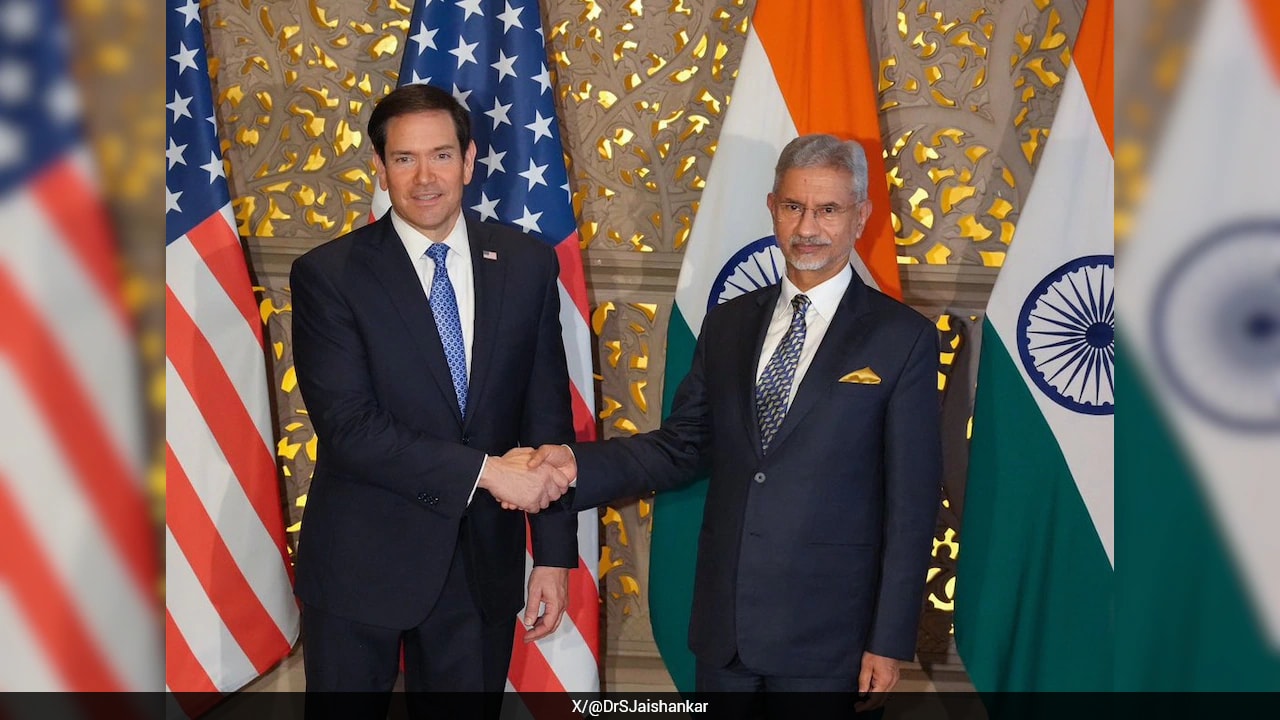
According to diplomatic assurances voiced by Marco Rubio regarding the Trump administration's approach to tariffs and visa curbs, India is not the intended target of those measures. On paper, that line sounds almost too tidy for modern geopolitics. Tariffs feel blunt. Visa rules feel personal. Yet diplomacy rarely moves in straight lines, and the gap between a broad policy doctrine and its day-to-day fallout is where real anxiety lives.
I have spent years watching policy shifts ripple through real lives—from family dinner tables where a son's job transfer suddenly carries a five-figure legal price tag, to factory floors where a five percent duty changes whether an order ships on time or sits in limbo. Even when you follow international affairs closely, trade law and immigration quotas can feel dizzying, opaque, and unsettling. When headlines warn of protectionism and stricter entry controls, nobody wants to be the collateral damage in a broader geopolitical quarrel.
When Broad Storms Hit Specific Shores
To understand why a reassurance from a senior American official matters—and why people still hesitate to exhale—it helps to separate intent from collateral impact.
Picture two ships leaving port on the same tide. The first carries cargo aimed straight at a rival shipyard; the second carries components bound for a longtime partner, yet passes through the exact same strait where tolls have just been raised. That is a metaphor for how sweeping tariffs work in practice. When a government announces across-the-board duties or scrutinizes entire visa categories to curb perceived abuses or protect domestic workers, the stated aim may target systemic imbalances or specific competitors rather than a friendly partner like India. Still, anyone whose livelihood depends on cross-border movement or goods flow feels the chop in the water.
Consider what happens next: a hypothetical scenario helps make the stakes tangible. (Note: The following individuals and situations are hypothetical composites designed to illustrate real-world trade and mobility dynamics.)
Meera is a supply-chain engineer in Pune whose firm exports industrial pumps and precision parts used in American manufacturing and energy projects. When rumors of new tariffs swirl in Washington, her phone lights up before sunrise. Buyers ask whether prices will jump overnight. Legal teams review customs classifications. Even if India is not singled out as an adversary, broad tariff schedules and stricter rules of origin can force companies to reprice contracts, absorb margin hits, or reroute shipments. A policy aimed at one set of trade practices can still rattle a partner whose economy is deeply woven into global supply chains.
Now look at the other side of the ledger—mobility. Rohan, a hypothetical software systems specialist hoping for an H-1B transfer or a business-visitor trip to meet a client team in Austin, watches debates over visa curbs with a knot in his stomach. For decades, skilled migration and cross-border business travel have been a vital thread tying Indian talent to American innovation, healthcare, and enterprise growth. When Washington talks about tightening visas to prevent fraud or favor domestic hiring, applicants and employers alike read every word between the lines. Rubio's framing—that these tariffs and visa curbs are not targeted at India—signals a deliberate effort to keep bilateral goodwill intact even while Washington presses a tougher global agenda.
Why Reassurance Alone Doesn't End the Jitters
Honesty requires admitting something uncomfortable.
Assurances from diplomats are real data points, not magic shields. In international relations, statements from top officials set strategic tone and signal which relationships capitals want to protect. At the same time, tariffs are enacted through trade codes, executive orders, and administrative reviews, while visa adjudications happen one file at a time at consulates and immigration offices.
History shows a clear behavioral pattern in moments like this. Markets hate ambiguity almost as much as bad news. Businesses delay capital spending when rules might shift; students and professionals weigh backup plans when visa timelines look uncertain. Even when leaders insist a measure is not aimed at a partner country, overlapping categories—such as sector-specific tariffs, compliance audits, or broader scrutiny of temporary work permits—can create friction that feels personal on the ground.
Let us be candid about the confusion here. A headline says "not targeted at India," while another story warns of tougher border enforcement or higher import duties. Which one governs tomorrow morning? Usually, the answer lies in the fine print: exemptions, country-specific carve-outs, how a product's country of origin is determined, and whether enforcement targets systemic abuse rather than lawful cooperation.
That distinction matters enormously. If Washington's posture is designed to confront trade practices it views as unfair elsewhere or to tighten immigration loopholes broadly, keeping India out of the crosshairs aligns with practical American interests too. India is a major market, a key security and strategic partner, and a powerhouse of engineering and services talent. Alienating a partner you need for long-term stability rarely serves the broader strategy.
Reading Between the Diplomatic Lines
When a senior figure like Marco Rubio states that the administration's tariffs and visa curbs are not targeted at India, what should a thoughtful observer actually take away?
First, listen to the hierarchy of priorities. Governments rarely have endless bandwidth. When a new team takes the reins in Washington, it typically picks primary targets for economic leverage and border enforcement. Saying India is not the target is a way of drawing a boundary: disagreements over market access or visa procedures may still exist in routine negotiations, yet they are not meant to be framed as punitive strikes against New Delhi.
Second, watch the mechanics, not just the microphone. Diplomatic reassurance lowers political temperature, which is no small thing when tensions run high. Still, exporters, importers, universities, and tech workers live by mechanics—tariff schedules, prevailing-wage rules, processing speeds, and bilateral trade talks. A friendly tone makes constructive problem-solving possible, especially when both sides have strong incentives to keep commerce and talent flowing.
Third, recognize the shared vulnerability. Modern supply chains and talent pipelines are mirrors, not one-way streets. A tariff that raises the cost of an imported component in the United States can squeeze an American manufacturer just as quickly as an overseas supplier. A visa bottleneck that slows specialized engineering support can delay a project in Ohio just as much as it frustrates an applicant in Hyderabad. Neither side benefits from turning friction into a downward spiral.
Through all the noise of geopolitical chess, human stories keep cutting back to the same simple truths: people want to work with dignity, build things that last, and plan for their families without waking up to sudden shockwaves.
Rain still falls on that balcony in Bengaluru, washing dust from the leaves before dawn breaks. Somewhere across the ocean, desks fill up under fluorescent lights as negotiators draft memos and engineers run code, bound together by ties far sturdier than a single news cycle—and far too valuable to let slip away in the crossfire.