The coffee in the glass cup was already lukewarm, but Marcus had not touched it in twenty minutes.
Outside the window, the Hong Kong harbor churned under a heavy gray sky, ferries cutting white scars through the dark water. Inside the trading room, the ambient noise was different today. It was not the panicked shouting of a crash or the manic euphoria of a bull run. It was a low, constant murmur. The sound of an anchor being dropped into deep water.
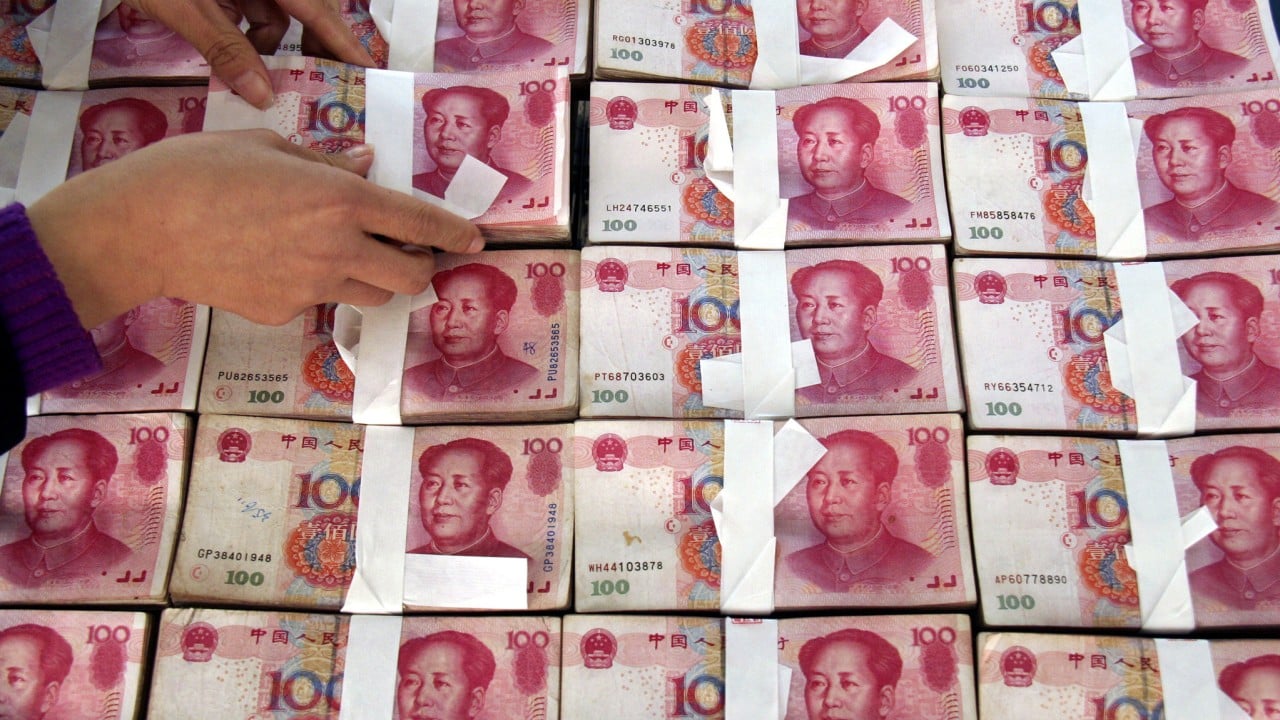
Across the room, screens flashed with a quiet certainty. Over two billion dollars. That was the headline figure scrolling across financial terminals in New York, London, and Tokyo. China had just priced a new batch of sovereign bonds right here in the heart of the city, and the global capital markets had answered with a resounding checkmark.
To the casual observer passing by on Queen’s Road, it was just another transaction. Numbers moving from one invisible ledger to another. But Marcus, who had spent thirty years watching the tectonic plates of global finance shift beneath his feet, felt the gravity of it. Money talks, yes. But sovereign debt shouts. It reveals who trusts whom, who is willing to lock their money away for years, and who believes tomorrow will look remarkably like today.
Consider what happens next when a government decides to borrow. It is never just an accounting exercise. It is a handshake across oceans.
The Anatomy of Trust
Trust is a heavy commodity. You cannot weigh it on a scale, yet entire economies hang in the balance when it vanishes.
When a state issues bonds, it is essentially writing a promissory note to the future. It says: Lend us your wealth today, and we promise the sun will rise, the factories will run, and the taxes will be collected long enough to pay you back with interest.
In this specific auction, the appetite from international investors was fierce. European asset managers, Middle Eastern sovereign funds, and institutional desks across Asia lined up. Why? Because in a world jittery with inflation fears, shifting interest rates, and geopolitical static, yield remains a siren song.
Think of it like a massive apartment building where every tenant wants a lease on the top floor. The landlord does not need to beg; they just open the door, and the queue forms down the block.
(Note: The financial mechanics of sovereign issuance involve primary dealers bidding on yields through structured auctions, but the human element is simpler. It is a room full of people deciding whether to bet on a horizon.)
The bidding books filled up fast. Orders surged past the final allocation amount, a clear signal that demand vastly outstripped supply. For the issuers, this meant they could tighten yields, borrowing money more cheaply than they might have in a nervous market. For the buyers, it meant locking into a position backed by the world's second-largest economy, regardless of the daily noise dominating cable news channels.
The View from the Trading Desk
Back in 1998, Marcus stood on a different floor during the Asian financial crisis. Back then, currencies bled out by the hour, and phone lines fried with panic. Fear had a sharp, metallic taste.
Today was different. The atmosphere smelled of damp wool, expensive printer toner, and quiet resignation. The traders moving these billions were not risk-loving cowboys throwing darts at a board. They were actuarial analysts, risk officers, and portfolio managers sitting in ergonomic chairs in Frankfurt and Singapore, staring at spreadsheets with grim pragmatism.
They looked at the numbers and asked a fundamental question. Is the machinery still turning?
The answer, written in the oversubscribed order books for these Chinese sovereign bonds, was yes. Despite property sector turbulence, regulatory shifts, and slowing domestic growth metrics, global capital still views the machinery as too big, too entrenched, and too critical to ignore. Money does not care about political rhetoric. Money cares about liquidity, depth, and the probability of a return.
When an international fund manager clicks "buy" on a five-year or ten-year sovereign note originating from Beijing via the clearing houses of Hong Kong, they are making a multi-year wager. They are betting that the supply chains will hold. They are betting that trade routes will remain open. They are betting on stability, even an imperfect one.
The Invisible Stakes
Every bond has a ghost attached to it.
We talk about yields, basis points, and currency denominations as if they exist in a vacuum of pure mathematics. They do not. Behind every million dollars of institutional capital allocated to a sovereign debt instrument is a pensioner in Zurich, a university endowment in Boston, or an insurance fund in Seoul.
When the bond performs, the retiree gets their monthly check. When the market stabilizes, the university funds its laboratories.
This is the hidden plumbing of the global economy. It is unglamorous. It does not make for viral social media clips. But it is the concrete foundation upon which modern life is poured. The fact that global investors eagerly absorbed billions in Chinese sovereign debt means that financial bridges are still standing, even as political architects draft blueprints for new walls.
Hong Kong sits right at the center of this paradox. A bridge between two financial universes.
For decades, this city has acted as the great translation engine where Western capital meets Eastern enterprise. Stand on the Star Ferry at twilight, watching the neon reflections smear across the obsidian harbor, and you can feel the friction of that transition. It is a place built on the premise that commerce can outlast ideology.
The successful sale of these bonds proves that, at least in the subterranean vaults of global banking, that premise still holds breath.
The Long Horizon
The trading floor began to quiet down as the London morning bled into the afternoon. The screens stopped flashing frantic updates. The final pricing was locked, the allocations distributed, the wire transfers queued.
Marcus took a slow sip of his cold coffee, winced slightly at the bitter taste, and closed his laptop.
The two billion dollars and more are now part of the ledger. They will be deployed into infrastructure, debt restructuring, and the grand, lumbering machinery of state-level economics. To the politicians, it is a vote of confidence. To the economists, it is a data point on a graph.
But to the people whose lives are tethered to the quiet machinery of international trade, it is simply the sound of the world keeping time. Another day of debt issued, another cycle of trust renewed, another anchor dropped into the deep, dark water of the future.
The harbor outside grew darker. The neon signs flickered to life against the encroaching night, casting long, bruised streaks of pink and blue across the surface of the sea, indifferent to the billions that had just changed hands beneath their glow.