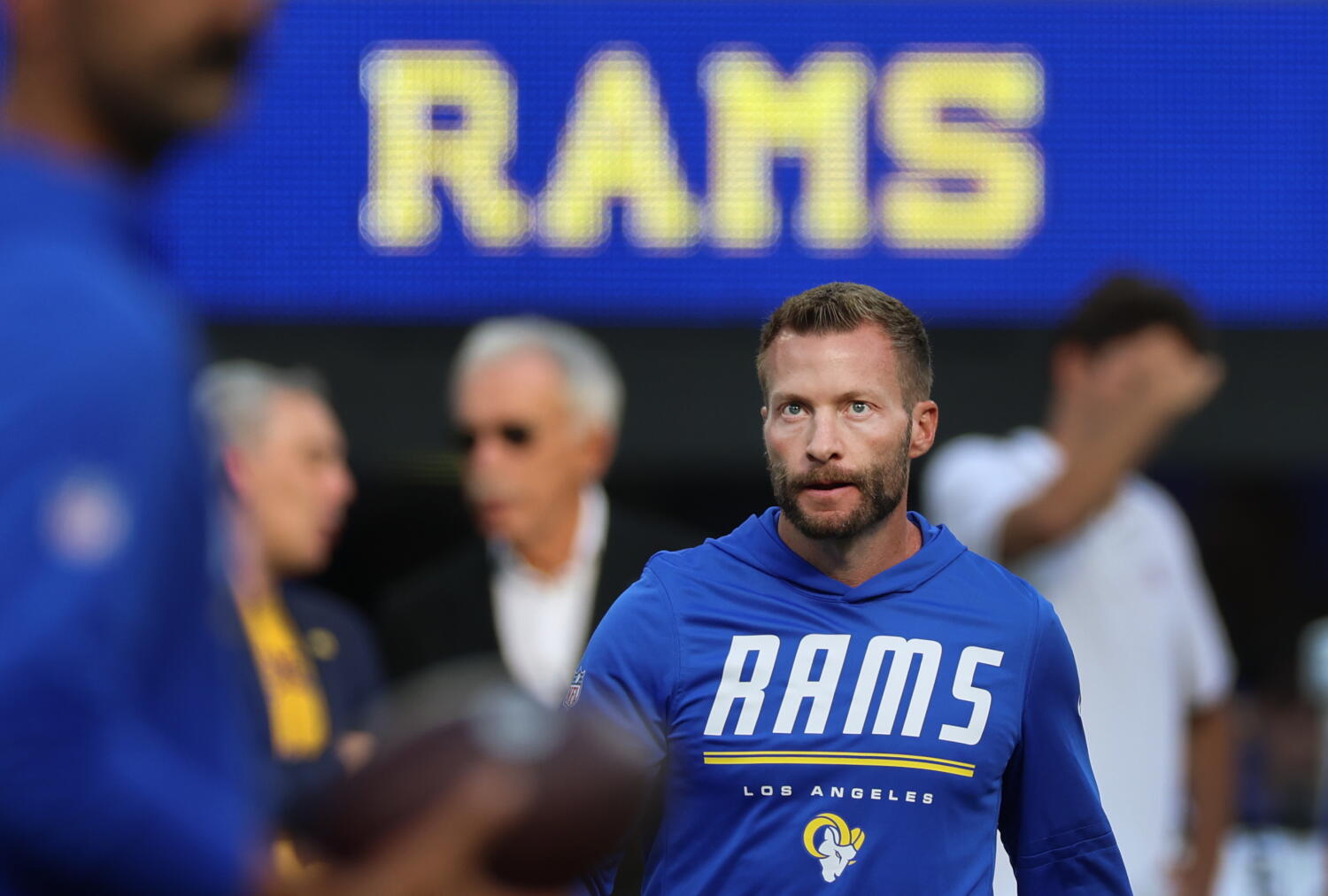
Blowout wins rarely tell the whole story, yet Sunday's 34-6 rout in Glendale flipped every narrative around the Rams and Cardinals.
If you only looked at the Week 6 result in Inglewood, you might have expected another nail-biter. Arizona edged out Los Angeles 18-16 on October 18, stealing a two-point road win that made the rematch look intriguing on paper. By Week 10 on November 15, though, the gap between the two NFC West sides had widened into a chasm. Don't miss our recent post on this related article.
When the dust settled at State Farm Stadium, Los Angeles didn't just win—it dismantled Arizona from opening kickoff to final whistle.
How to Watch and When It Kicked Off
For anyone catching up on the Week 10 broadcast or hunting down replays, the matchup took place on Sunday, November 15, 2026, at State Farm Stadium in Glendale, Arizona. Local kickoff hit at 4:05 p.m. ET (2:05 p.m. local MST in Arizona, and 6:05 p.m. UYT) with CBS carrying the telecast. If you want more about the history here, The Athletic provides an informative breakdown.
Plenty of previews treated this game like a coin flip because of October's upset. Honestly, that was a trap. Week 6 happened nearly a month earlier, and roster attrition plus defensive regression changed the math completely before CBS ever went to air.
Odds and Predictions Before Kickoff
Oddsmakers saw the shift coming even when casual fans didn't. Heading into Week 10, sportsbooks installed the Rams as roughly 9- to 9.5-point favorites on the road, with moneylines hovering around -500 for Los Angeles and +390 for Arizona, alongside a modest point total near 38.5 to 39.5.
That low total signaled two things. First, bettors expected Los Angeles to lean on control and efficiency rather than a reckless shootout. Second, nobody trusted Arizona's offense to generate steady points against a stingy Rams defense.
Looking at how the season had unfolded through nine games, the model projections made sense:
- Los Angeles entered Week 10 at 5-4 with a +33 point differential, holding opponents to 31.6% on third downs and 43.3% in the red zone.
- Arizona entered at 3-6 with a -77 point differential, surrendering 108.9 passer rating and 3.4 touchdowns per game.
- Projections generally landed in the 24- to 31-point range for Los Angeles and 14 to 21 points for Arizona.
The final score blew past those projections—not because Arizona kept pace, but because the Cardinals barely moved the ball.
What Actually Happened on the Field
Los Angeles dominated every phase of the afternoon, racking up 436 total yards and 28 first downs while holding Arizona to 123 total yards and just six first downs. Read those numbers again. Six first downs for an entire NFL game is brutal.
Matthew Stafford threw for 249 yards and three touchdowns with one interception and a 122.1 passer rating, spreading the ball around cleanly to targets like Konata Mumpfield (81 receiving yards on three catches) and Xavier Smith (40 yards and a touchdown). On the ground, Blake Corum pounded out 100 rushing yards and a touchdown on 17 carries, while Ronnie Rivers added 81 rushing yards on 15 attempts.
Defensively, the Rams suffocated Arizona's passing game and ruined third downs. Cardinals quarterback Carson Beck threw two interceptions, took five sacks, and finished with a 38.4 passer rating as Arizona went 0-for-6 on third down and 0-for-1 on fourth down. Chad Ryland's two field goals accounted for all six of Arizona's points.
Why Week 6 Fooled So Many People
Division rematches are notorious for distorting perception, especially when an underdog steals a tight game early in the fall. A two-point loss in October feels like proof of parity until you look at how teams hold up over a full autumn slate.
Arizona lost five of six games after that Week 6 win, and its defensive leaks kept catching up to the offense. When a defense allows over three touchdowns a game and struggles to get off the field, every offensive stall turns into a long afternoon.
Practical Takeaways for Following the Rest of the Season
If you're tracking NFL matchups, betting markets, or fantasy rosters down the stretch, a few habits will save you from bad assumptions:
- Weight recent form and differentials over early-season upsets. A one-score October game means less in mid-November than how a team is actually playing right now.
- Watch third-down and red-zone efficiency. Teams that convert at high clips while holding opponents under 35% on third down control field position and clock without needing hero plays.
- Check quarterback stability and pressure rates. Sacks, turnovers, and low yards per play snowball fast against aggressive front sevens.
- Revisit game highlights rather than box scores alone. Watching how a team attacks soft zones or creates rushing lanes gives you context that raw yardage totals miss.
Keep an eye on how both clubs adjust coming out of Week 10—the Rams look like a dangerous, balanced contender when their ground game and pass rush click together, while the Cardinals have serious structural fixes to sort out.