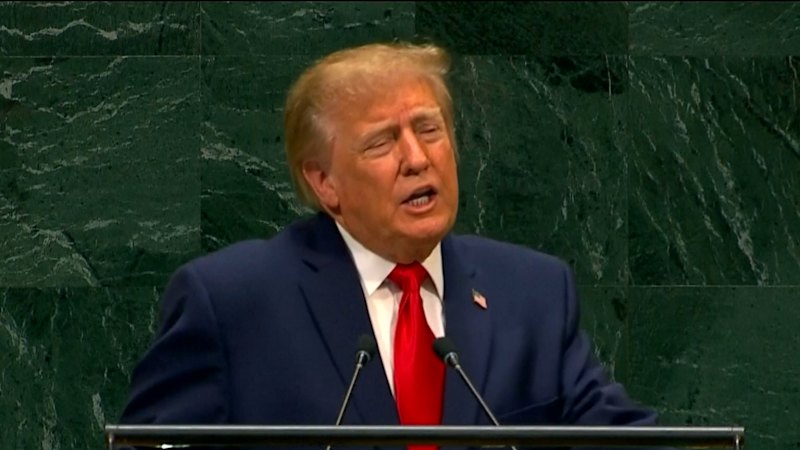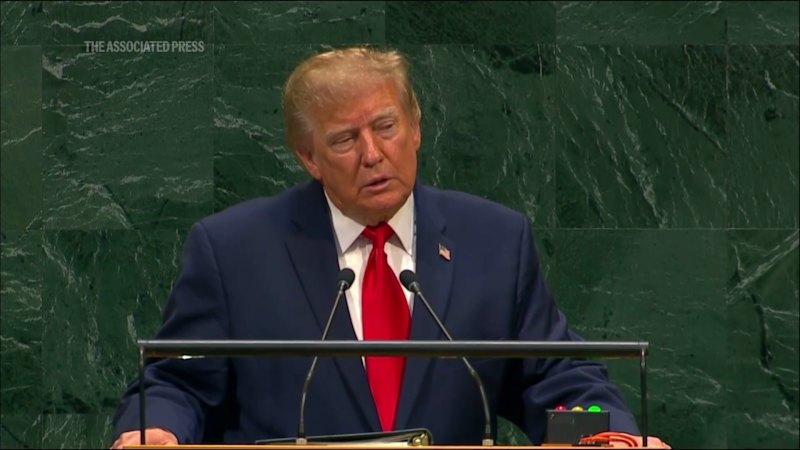
The proclamation arrived with characteristic theatrical gravity. Donald Trump announced from Washington that he faces a monumental choice regarding Tehran, oscillating between declarations that the military campaign is effectively finished and warnings that decisive actions remain on the table. Beneath the performative rhetoric lies a grueling geopolitical stalemate. Analysts dissecting the administration's posture recognize that this purported "big decision" is less about sudden strategic revelation and more about managing an intractable quagmire that has resisted clean resolutions.
Decades of Washington foreign policy have collided with the reality of asymmetric warfare in the Middle East. The administration's dual track of maximum military pressure and erratic diplomatic signals has produced a volatile equilibrium. When the White House asserts that the conflict is winding down, global markets react instantly, evidenced by oil prices sliding as traders price in the prospect of reduced supply disruptions. Yet, regional commanders and intelligence veterans know that tactical lulls rarely equate to permanent stability. The underlying structural drivers of hostility—regional proxy networks, contested maritime chokepoints, and long-range missile development—remain entirely intact. Don't forget to check out our recent coverage on this related article.
The core tension stems from a fundamental contradiction in executive strategy. On one hand, political pressures at home demand an exit ramp from open-ended foreign entanglements, particularly as congressional battles over war powers and defense appointments intensify. On the other hand, capitulating to a nuclear-ambitious Tehran without a verifiable, ironclad structural agreement is viewed by hawks as an unacceptable capitulation. This creates a permanent loop of brinkmanship where every diplomatic opening is immediately bookended by threats of overwhelming retaliation.
Consider the economic dimensions of this standoff. The administration frequently points to financial containment and maritime trade restrictions as proof of total leverage. However, economic isolation has driven Tehran deeper into alternative trade loops with regional partners, blunting the long-term efficacy of unilateral sanctions. Meanwhile, European allies and regional Gulf states watch with palpable anxiety, fully aware that a miscalculated escalation could instantly destabilize global energy markets and spark new refugee movements across the eastern Mediterranean. If you want more about the context of this, The New York Times offers an in-depth breakdown.
The friction is further compounded by domestic political friction on Capitol Hill. Outgoing lawmakers and dissenting legislators have increasingly challenged the constitutional boundaries of executive military authority, introducing oversight measures that challenge the administration's unilateral freedom of movement. While these legislative challenges rarely halt immediate military directives, they erode the domestic consensus required to sustain a multi-front foreign policy doctrine over the long haul.
True resolution requires confronting uncomfortable compromises that neither side is currently prepared to make. Tehran faces a crippled domestic economy and severe infrastructural strain, yet its ruling apparatus views yielding to external pressure as an existential threat to its survival. Washington, conversely, is trapped between the desire to declare victory and move past the Middle East theatre and the grim reality that abandoning the region leaves a dangerous power vacuum.
The impending choice is not between greatness and collapse, but between managing a chronic, low-intensity state of confrontation or committing to an unpredictable escalation cycle with diminishing returns. Until Washington bridges the gap between its public pronouncements and the messy reality on the ground, these high-stakes declarations will remain a recurring feature of an unresolved crisis.