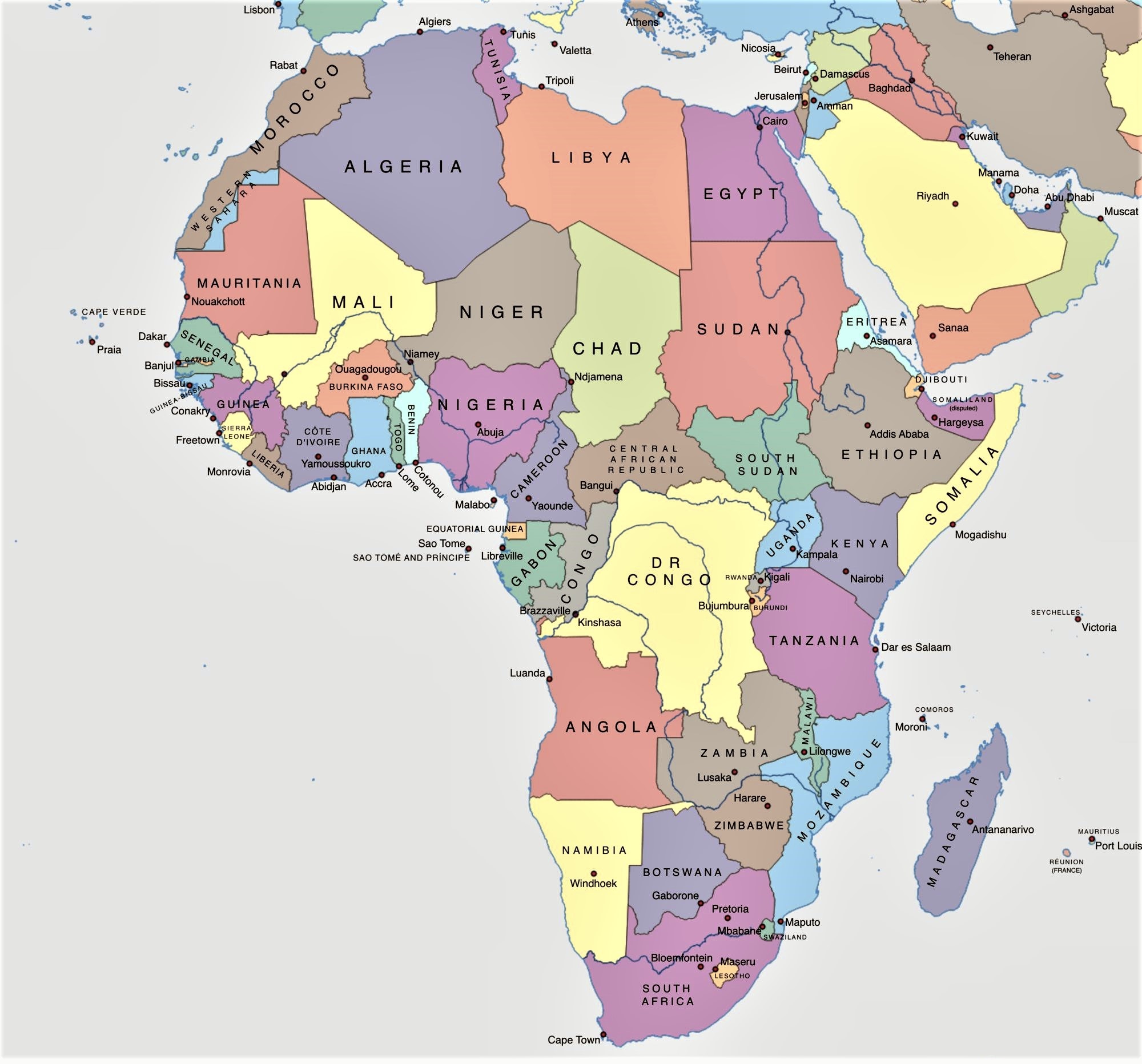
Donald Trump has made it clear that any US-backed civil nuclear deal with Saudi Arabia hinges on Riyadh normalizing diplomatic relations with Israel under the Abraham Accords. This ultimatum links energy ambitions directly to regional diplomacy, creating a complex geopolitical puzzle. Riyadh wants Washington to supply the tech, enriched fuel, and security guarantees needed to build its civil nuclear infrastructure. Washington, however, insists that the ultimate price tag involves formal diplomatic recognition of Israel, alongside strict non-proliferation safeguards. Connecting these two massive policy objectives creates a high-stakes standoff where regional stability, nuclear proliferation, and energy security hang in the balance.
The Trilemma of Power, Sovereignty, and Uranium
Saudi Arabia wants full control over its nuclear energy pipeline. That means domestic enrichment capabilities. Riyadh points to its vast natural uranium reserves, arguing that domestic enrichment is a matter of economic independence and energy security under Vision 2030.
Washington sees domestic enrichment in the Middle East as an unacceptable security risk. The gold standard for US civil nuclear cooperation—known as a Section 123 Agreement—typically requires a partner state to renounce domestic enrichment and reprocessing capabilities. Abu Dhabi signed such a restricted deal in 2009. Riyadh, however, views the UAE model as a concession it refuses to repeat. Crown Prince Mohammed bin Salman has repeatedly indicated that if Iran possesses enrichment capabilities, Saudi Arabia cannot accept an arrangement that leaves it structurally disadvantaged.
This creates a sharp policy divergence. Washington demands the non-proliferation gold standard. Riyadh demands parity with regional rivals.
+-----------------------------------------------------------------------+
|                       THE SAUDI NUCLEAR TRILEMMA                      |
+-----------------------------------------------------------------------+
|                                                                       |
|                     US Safeguards & Non-Proliferation                 |
|                                (Gold Standard)                        |
|                                      /\                               |
|                                     /  \                              |
|                                    /    \                             |
|                                   /      \                            |
|                                  /        \                           |
|                                 /          \                          |
|  Saudi Domestic Enrichment  <---------------->  Normalisation With    |
|   (Sovereignty & Parity)                             Israel           |
|                                                                       |
+-----------------------------------------------------------------------+
Inserting Israeli normalization into this equation adds another layer of complexity. For Israel, a Saudi nuclear program that includes domestic enrichment poses a long-term strategic threat, even if accompanied by a diplomatic treaty. Israeli defense officials have historically expressed quiet alarm over any prospective neighbor obtaining sensitive fuel-cycle technology. Consequently, Washington finds itself attempting to broker a diplomatic deal while managing the quiet pushback from defense establishments in both Jerusalem and Capitol Hill.
Normalization in a Post-Oct 7 World
The geopolitical terrain shifted dramatically following the October 7 attacks and the subsequent war in Gaza. Before the conflict, diplomatic momentum leaned toward a trilateral agreement involving Washington, Riyadh, and Jerusalem. Today, the political cost for Riyadh has increased sharply.
Saudi leadership has stated that formal normalization with Israel cannot happen without a clear, credible path toward Palestinian statehood. The current Israeli administration firmly rejects this condition. By tying nuclear cooperation directly to Abraham Accords normalization, US policy forces a timeline that neither party can easily accept under current conditions.
- The Saudi Position: Demands binding US security guarantees, assistance with a civil nuclear program, and a concrete pathway to a Palestinian state before signing any normalization agreement.
- The US Position: Seeks to tie nuclear technology transfers to strict non-proliferation limits and the geopolitical win of expanding the Abraham Accords.
- The Israeli Position: Desires diplomatic recognition from Riyadh, but remains deeply wary of Saudi domestic enrichment and strongly opposed to a two-state framework.
This dynamic creates a strategic stalemate. If Washington insists on normalization as a strict precondition for nuclear cooperation, the entire package risks stalling indefinitely.
The Broader Global Competition
While Washington negotiates terms, alternative options exist. China and Russia are actively courting the Saudi civil nuclear market. Neither Beijing nor Moscow requires a Section 123 agreement, nor do they condition their technology transfers on diplomatic treaties with third parties.
China National Nuclear Corporation (CNNC) has already offered to build nuclear reactors in Saudi Arabia’s Eastern Province. Russia's Rosatom possesses deep expertise and is actively constructing nuclear facilities across the global South.
If Washington demands conditions that Riyadh considers unacceptable, Saudi leadership can turn eastward. Such a shift would mean US companies lose access to lucrative energy contracts, while Washington loses the ability to monitor and shape Saudi Arabia's nuclear oversight mechanisms.
Yet, a Chinese or Russian nuclear reactor does not come with the underlying prize Riyadh truly desires: a formal security treaty with the United States. Beijing can build reactors, but it cannot guarantee Saudi national security against regional threats. Moscow is locked in its own complex geopolitical entanglements. The United States remains the sole superpower capable of providing the comprehensive security architecture that Riyadh seeks.
This gives Washington leverage, but only if it uses it precisely. Demanding a immediate, comprehensive agreement that resolves nuclear proliferation, Israeli normalization, and Palestinian statehood all at once creates a single point of failure.
A strategic miscalculation here could push Riyadh toward partial energy deals with Beijing, eroding American influence in the Gulf while leaving the region's core security dilemmas entirely unresolved.