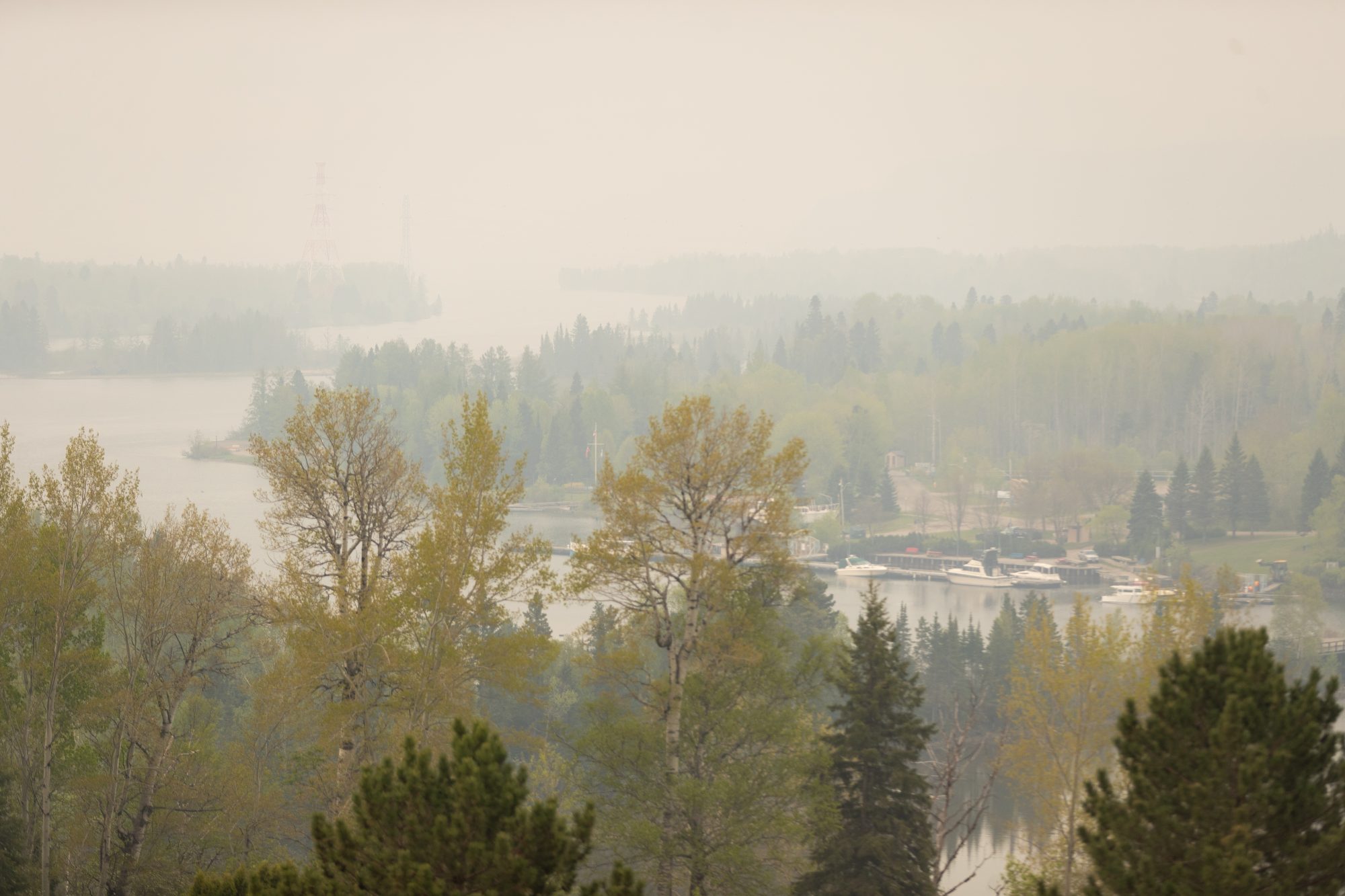
Ontario's wildland firefighting program is facing a structural crisis driven by chronic underfunding of seasonal personnel, suppressed wages, and ignored internal warnings. For nearly a decade, provincial reports have cautioned that fire rangers are leaving the Ministry of Natural Resources at alarming rates, creating dangerous experience deficits on the front lines. Rather than fixing baseline compensation and offering year-round employment, Ontario relies on emergency spending after blazes spark. With roughly one-fifth of fire crews left unstaffed during peak fire seasons, northern communities face growing risks while experienced crews leave for municipal fire departments.
The Illusion of Emergency Suppression Funding
A fundamental flaw sits at the center of Ontario's wildland fire management system. The province maintains two distinct pots of money for wildland fires: a fixed preparedness budget and an uncapped emergency suppression budget. Don't miss our previous post on this related article.
The preparedness budget covers base wages, year-round staffing, gear maintenance, training, and crew retention. It is strictly capped. Conversely, once a forest fire begins threatening timber, communities, or infrastructure, the province opens an unlimited emergency suppression account.
This fiscal separation creates a bizarre reality. The government routinely penny-pinches on spring hiring and base pay, only to spend hundreds of millions of dollars dropping water from contracted aircraft or importing emergency crews from out-of-province when forest fires rage out of control. If you want more about the history here, Al Jazeera offers an informative summary.
It is financial insanity. In recent years, base budgets hover around $135 million to $150 million, while actual emergency expenditures run far higher. Former crew leaders and union representatives from the Ontario Public Service Employees Union (OPSEU) have argued for years that shifting even a small fraction of emergency funds into baseline preparedness would stabilize staffing levels. Spending millions on reactive suppression does nothing to build crew stability if experienced personnel leave before the first lightning strike of the season.
The Heavy Cost of an Experience Drain
Forest firefighting is not entry-level manual labor. It is a highly specialized trade requiring deep topographical knowledge, weather calculation, heavy equipment mastery, and tactical risk management under severe stress.
It takes five to seven years of field experience to build a competent wildland crew leader. A crew leader must read fire behavior, navigate dense wilderness without cell service, coordinate helicopter drop zones, and keep four to five people alive under extreme heat and thick smoke.
Yet, Ontario treats these frontline workers as disposable seasonal labor.
Base pay for wildland fire rangers sits around $23 to $26 per hour. Contracts typically run for five to six months, leaving workers to seek seasonal winter employment or rely on Employment Insurance. A ten-year veteran wildland crew leader working a nine-month contract might earn around $52,000 annually.
Compare that to municipal firefighters in cities like Toronto, Ottawa, or Sudbury. A rookie structural firefighter in a major city often starts near $100,000 per year with comprehensive benefits, year-round security, and a clear career path.
The math simply does not work. Young firefighters complete their initial training in the bush, gain two or three seasons of grueling hands-on experience, and promptly jump ship to municipal departments or private industry.
This turnover leaves the province with a dangerously green force. When major blazes strike the Northwest and Northeast regions, newly minted crew leaders are forced to manage unpredictable wildland fires without the benefit of senior mentorship on the ground. The psychological and physical toll on those who remain is enormous. Overtime hours mount quickly, leading to extreme fatigue, burnout, and heightened risk of physical injury during critical fire operations.
Band-Aid Incentives and Paper Reclassifications
When criticism over understaffing mounted, the provincial government attempted to quell frustration with targeted incentives. In recent years, the Ministry introduced temporary attraction and retention bonuses of up to $5,000 for frontline crew members and pilots.
The union called it a temporary band-aid. A one-off bonus does not alter the fundamental reality of low hourly base pay, high northern living costs, and six months of winter unemployment. Unstaffed positions remained widespread. In key sectors across northwestern and northeastern Ontario, dozens of initial attack crews remained unfilled heading into high-risk months.
The government also pointed to job title reclassifications as evidence of progress. For years, wildland firefighters were officially classified under the catch-all civil service title of "resource technicians" rather than true firefighters. While a formal title change was offered, workers noted the underlying compensation scale barely shifted. Raising hourly pay by a couple of dollars without altering contract structures or expanding full-time year-round positions fails to solve the retention crisis.
The province frequently highlights its resource-sharing agreements with other Canadian jurisdictions, international partners, and private aviation contractors as proof that public safety remains intact. Relying on imported crews from other provinces or foreign countries is an expensive workaround that masks internal decay. When fire conditions peak simultaneously across North America, those external resources evaporate. Ontario is left relying on its own depleted frontline force.
Systemic Reform over Reactive Spending
Fixing Ontario's wildland fire response requires abandoning the illusion that post-ignition emergency funding can replace pre-season operational capability.
First, wildland firefighters must be compensated on a scale that recognizes the extreme hazards and physical demands of their work. Base wages need to align realistically with broader public safety occupations to stop the continuous brain drain toward municipal fire services.
Second, the Ministry must transition away from purely seasonal employment models. Expanding permanent, year-round positions allows experienced personnel to engage in winter fuel management, community risk mitigation, prescribed burns, and advanced tactical training. Year-round stability turns seasonal bush work into a viable lifetime career.
Third, the province must reallocate capital to its baseline preparedness budget. Fully funding the target complement of 200 to 250 initial attack crews—rather than settling for roughly 150—ensures small blazes are extinguished before they grow into mega-fires that demand tens of millions in emergency suppression funds.
Continuing to ignore a decade of internal warnings while hoping for mild summers is a dangerous gamble. Until Ontario invests directly in the men and women holding the pulaskis and fire hoses, the province will remain unprepared for the fire seasons ahead.
This video report on Ontario wildland firefighter staffing and pay details how government job additions compare against ongoing union demands for better retention and pay adjustments.