The headlines are currently dominated by the State Grid Corporation of China. Their recent 14.9 billion yuan issuance of dim sum bonds drew an staggering 193.8 billion yuan in orders. It is a massive figure, thirteen times the original offer. To the casual observer, this looks like a simple tale of runaway corporate success. However, seasoned analysts recognize this as a symptom of a much deeper, more calculated shift in the global debt market.
What is happening in Hong Kong is not merely an increase in volume. It is a fundamental realignment of how capital moves across borders. The surge in offshore yuan debt is effectively decoupling a growing segment of the Asian financial system from the gravitational pull of the United States dollar.
The Anatomy of a Market Shift
For years, the dim sum bond market was considered a secondary tier of finance, often dismissed as a fringe interest for regional players. Today, that view is obsolete. The mechanics behind the State Grid deal reveal why this market has evolved into a strategic necessity rather than an alternative.
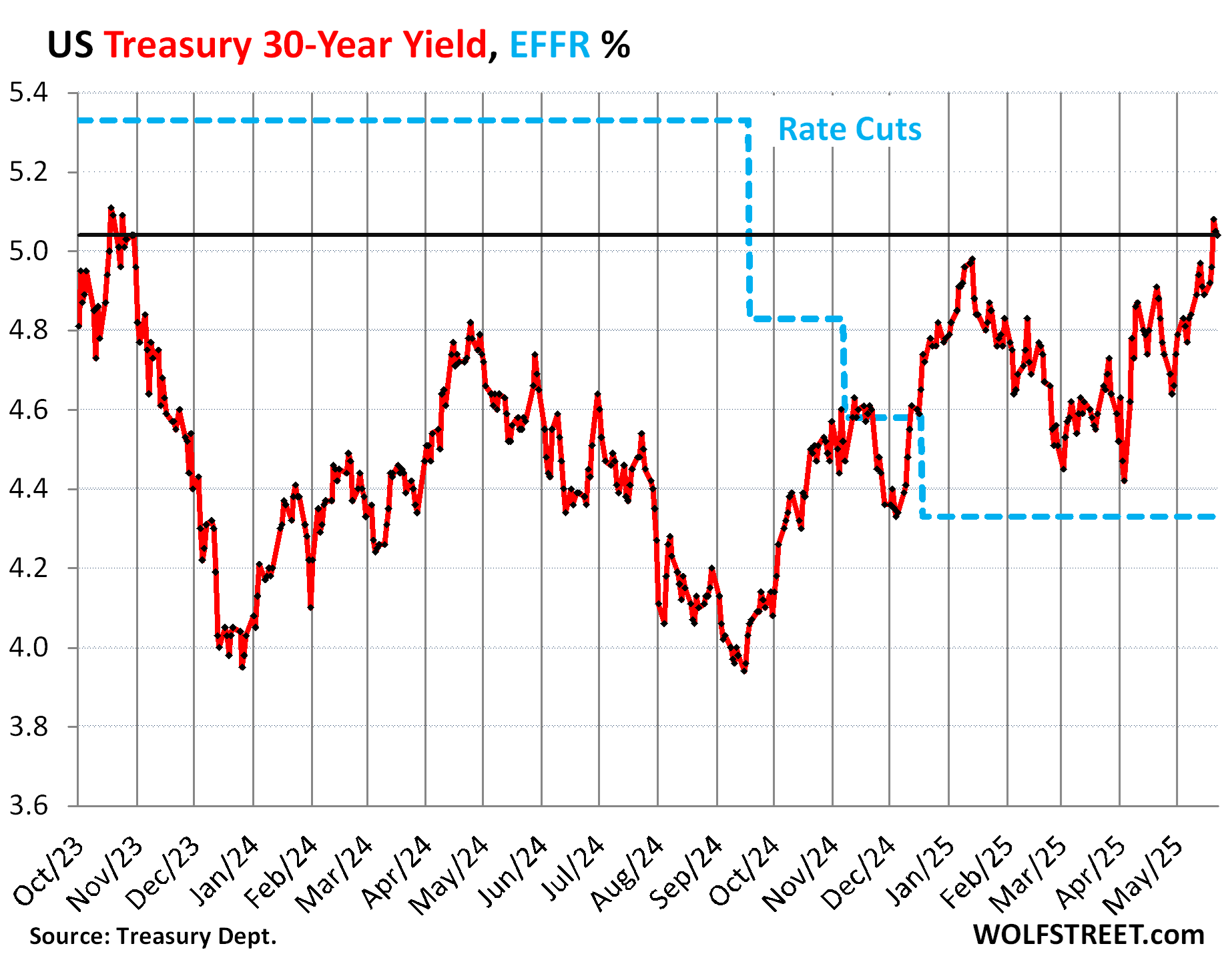
When a major enterprise issues debt in a foreign currency, they usually look for the path of least resistance regarding interest rates. For a long time, that meant the dollar. But the interest rate environment has changed. With the People’s Bank of China maintaining a policy stance distinct from the high-rate regime seen in Western economies, the cost of borrowing in renminbi has become objectively cheaper for many issuers.
Consider the math. If a company requires capital, they are evaluating the total cost of carry. By tapping into the offshore yuan liquidity pool, issuers are frequently saving basis points that would otherwise be lost to the interest rate spread of the US Federal Reserve. This is not about sentiment or politics. It is about a cold, hard search for efficiency.
Investors Seeking Shelter
The demand for these bonds is also driven by a collective anxiety among global investors. There is a perceptible movement to diversify portfolios away from an over-reliance on US Treasury debt. We are seeing a hunger for assets that provide exposure to the Chinese economy without requiring a direct entry into the domestic mainland markets, which remain subject to stringent capital controls.
The Bond Connect mechanism has acted as a bridge, allowing institutional wealth managers, insurance companies, and securities firms to find a foothold. By providing a channel for offshore liquidity to flow into these instruments, Hong Kong has successfully positioned itself as the mandatory clearinghouse for this activity. It is a brilliant bit of infrastructure that transforms a liquidity challenge into a competitive advantage for the city.
The Illusion of Simple Growth
We must avoid the trap of assuming this growth is entirely organic. Much of the activity is state-supported. The increasing frequency of sovereign and state-owned enterprise issuance provides the essential foundation for a liquid secondary market. Without these large, reliable anchor transactions, the market would likely remain illiquid and unattractive to private issuers.
Think of it like a new shopping district. You need a massive department store to open first, one that draws in the crowds, before the smaller shops can survive. The state-owned enterprises are that department store. Their participation ensures that when a mid-sized tech firm decides to issue debt, there is an established ecosystem of buyers ready to engage.
However, risks persist. The average maturity of these bonds remains relatively short, often hovering between three and four years. This indicates a market that is not yet ready for the long-term commitment of a ten or twenty-year horizon. It is a short-term game. Investors are still hesitant to lock in capital for extended periods, perhaps reflecting uncertainty regarding the trajectory of the currency itself.
Beyond the Hype
The narrative that this market is simply "booming" ignores the strategic competition occurring in the region. We are witnessing a quiet battle between different regional financial hubs. As issuance records tumble—not just for dim sum bonds, but for kangaroo bonds and other regional debt instruments—the real story is the fragmentation of global debt.
Borrowers are no longer beholden to a single global standard. They are becoming increasingly agnostic, choosing the currency that offers the most favorable conditions at the moment of issuance. For firms like State Grid, the 14.9 billion yuan deal was a calculated exploit of this current window of opportunity.
We are not looking at a bubble, but we are looking at a market that is highly sensitive to policy divergence. If the interest rate gap between China and the rest of the world narrows, the cost advantage will evaporate. Investors who are currently flocking to these bonds because they provide a cheaper funding alternative will quickly pivot to wherever the next efficiency gain can be found.
For now, the machinery is humming perfectly. The infrastructure is in place. The investors are at the table. But the sustainability of this record-breaking pace depends entirely on the willingness of issuers to continue treating the offshore yuan as their primary vehicle for growth. Every record smashed is just another indicator that the market is waiting for a correction. Keep your eyes on the yield spreads, not the total order volume. The real story is written in the basis points, and the margin for error is shrinking by the day.