You can't understand the current state of the war in Ukraine by just staring at trench maps. The conflict has evolved into a grinding war of attrition fought deep inside civilian infrastructure, digital supply chains, and economic corridors thousands of miles from the mud of the Donbas.
Let's look at what's actually happening on the ground right now.
The Escalation of Long-Range Strikes
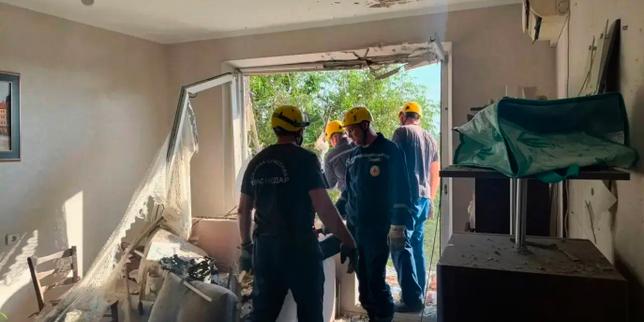
Both Kyiv and Moscow have drastically ramped up their long-range capabilities. Russia's strategy relies heavily on overwhelming aerial barrages, frequently targeting urban centers like Kyiv and Kryvyï Rih with ballistic and drone packages. Civilian transit has become a frontline casualty. Recent double drone attacks targeting passenger rail networks in regions like Zhytomyr and Odessa show a brutal shift toward disrupting internal mobility.
Meanwhile, Ukraine isn't just defending. Kyiv has shifted focus toward crippling Russian logistics from within, executing deep strikes against strategic targets. We are seeing unmanned systems units target oil refineries as far away as Perm—over 1,600 kilometers from the border—along with military airfields and naval drone launch sites in occupied Crimea.
The Human Toll and Economic Realities
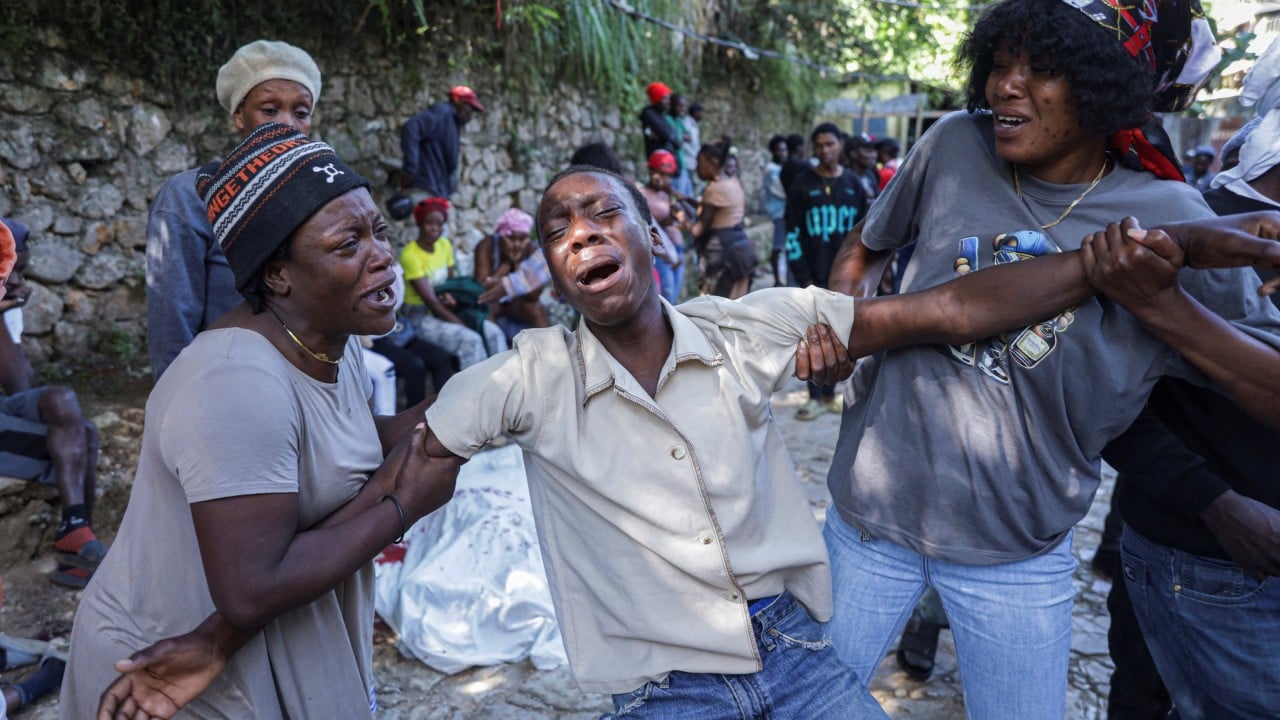
Statistics from international monitoring missions paint a grim picture. According to United Nations human rights reports, recent months have marked some of the deadliest periods for civilian casualties since the earliest phases of the 2022 invasion. Tens of thousands of civilian casualties have been officially documented, though real-world figures remain heavily underreported due to restricted access in Russian-occupied territories.
Economic survival requires massive external backing. The European Commission recently cleared a multi-billion-euro defensive package geared explicitly toward air defense radar acquisition and structural rebuilding funds. Nations like Norway and Belgium continue to lock in multi-year aid packages to keep basic state functions afloat, because exhausting Ukraine financially remains a primary objective for Moscow.
The Diplomatic Horizon
President Volodymyr Zelenskyy has pushed back hard against internal election pressures during wartime, arguing that political fragmentation plays directly into adversary hands. Instead, the focus has pivoted toward structured diplomatic exit corridors. Kyiv indicates that peace framework discussions—coordinated alongside American and European partners—could begin taking shape moving from upcoming international G20 summits through late 2027.
These proposals reportedly center on phased ceasefires, mutual troop adjustments, and designated free economic zones. Yet, with both sides doubling down on technological adaptations like autonomous drone swarms and electronic warfare countermeasures, the immediate reality remains dictated by the sound of air raid sirens and the urgent need for reinforced air defense shields.
Track verified local updates through independent monitoring agencies, verify operational claims against official humanitarian reports, and prioritize secure transit channels if you are operating or traveling near active zones.