Four soldiers died on the spot, 39 were seriously injured, and a fifth service member later succumbed to wounds in hospital after a wind-whipped grass fire tore through Canadian Forces Base Wainwright in Alberta during live-fire training on October 17, 2026. That headline number is where most quick news summaries stop. It shouldn't be.
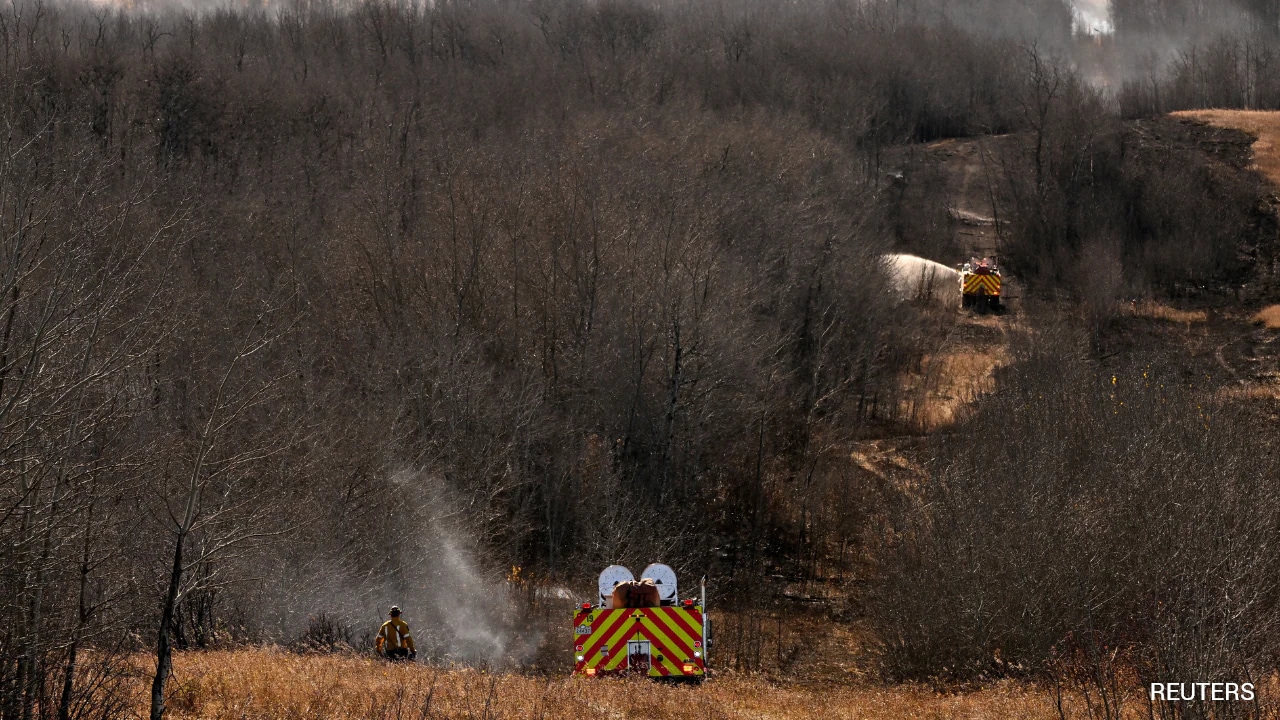
What happened at CFB Wainwright wasn't a freak campfire accident. It was a collision of dry prairie grass, fierce autumn gusts reaching up to 100 kilometers an hour, live ordnance on an automatic grenade launcher range, and rapid wind shifts that sent flames surging roughly a kilometer into training and unit administrative areas. Prime Minister Mark Carney called it one of the worst peacetime tragedies on Canadian soil, and emergency physicians in Edmonton compared the patient surge to a once-in-15-to-25-year disaster. Read more on a connected topic: this related article.
How a Range Fire Overtook Soldiers at CFB Wainwright
Around 4 p.m. on Saturday, October 17, 2026, troops from the 3rd Battalion, Princess Patricia's Canadian Light Infantry—alongside Army reservists and personnel from bases across the country—were taking part in Exercise APOLLO SHOOTER. The battalion had been preparing for rapid global deployment, including reinforcing Canadian troops in Latvia the following spring.
Officials with the Canadian Forces Provost Marshal said the blaze sparked on the base's automatic grenade launcher range during routine live-fire training. Live-fire ranges and dry grass are an unforgiving mix. Sparks, hot fragments, or ordnance ignition can start a fire fast, and once wind enters the equation, a manageable brush fire turns into a wall of heat and smoke in minutes. Further journalism by BBC News delves into similar perspectives on this issue.
Here is the detail that makes investigators look harder at range management and decision-making. Maj. Gen. Wade Rutland stated that military officials were aware of the fire for hours, yet believed it was sufficiently contained to allow training to continue before winds shifted abruptly. When the wind swung, flames jumped roughly a kilometer and overtook personnel in another training area and the unit administrative area.
In wildland fire behavior, containment on paper and containment in high gusts are two very different things. Wind doesn't just push flames forward. It preheats unburned grass ahead of the front, throws burning embers across fuel breaks, and reverses direction without warning. If crews think a fire is boxed in while gusts are howling, a sudden shift can erase a kilometer of buffer space almost instantly.
The Human Toll and Hospital Strain Across Provinces
The four soldiers who died on October 17 were all serving with the 3rd Battalion, Princess Patricia's Canadian Light Infantry, based in Edmonton:
- Sgt. Morgan Wong, of the Loyal Edmonton Regiment, from Edmonton
- Pte. Shaun Farrell, from Prince Albert, Saskatchewan
- Pte. Hayden Lykkemark, from Langley, British Columbia
- Pte. Aidan Goulding, from North Vancouver, British Columbia
A fifth soldier injured in the fire later died in hospital in Ontario, bringing the death toll to five as weeks of critical care continued. Thirty-nine people were seriously injured in total.
Watch the medical response carefully, because it shows just how severe the injuries were. Alberta Health Services and federal defense updates showed dozens of troops requiring hospital treatment across Alberta, British Columbia, and Ontario, with several patients transferred closer to home communities and others remaining in critical condition weeks later. Local health centers in Wainwright—a town of roughly 7,000 residents—handled initial triage and ambulance transfers before major hospitals stepped in.
Dr. Warren Thirsk, an emergency physician at Edmonton's Royal Alexandra Hospital, told CBC News that an influx of that scale would overwhelm Edmonton's hospital system, describing it as a one-in-15-to-25-year disaster. Burn and trauma care is resource-heavy. Even when hospitals lift initial mass-casualty alerts like "Code Orange" within days, the real medical grind lasts months—skin grafts, airway and inhalation recovery, infection control, and physical rehabilitation.
Why Live-Fire Training Carries Built-In Wildfire Risk
People sometimes assume military bases are built like sterile concrete compounds. They aren't. Training areas like CFB Wainwright span vast stretches of natural terrain so troops can maneuver, dig in, and fire heavy weapons realistically.
That realism comes with a recurring hazard. Live-fire exercises routinely run on ranges covered in grass, scrub, and dry vegetation. Add autumn wind events—common across parts of western Canada—and ignition risk spikes. When you combine high wind speeds, dry fuel, and live ammunition, safety margins shrink fast. Honestly, one of the toughest calls any range officer makes is halting a scheduled live-fire exercise when weather turns marginal, especially when units are on tight pre-deployment timelines.
What the Three Investigations Must Answer
Three separate investigations were launched to examine what happened on October 17. Terrorism was ruled out early on, so the real scrutiny centers on ignition, weather conditions, command decisions, and emergency response.
Investigators have pointed to several central questions:
- Exact ignition and spread: Did the fire start directly from automatic grenade launcher activity, and how did it move—did winds drive an active front straight toward the troops, or did it creep unseen through vegetation before flaring up?
- Threshold for pausing training: Knowing a fire was already burning nearby, what wind-speed or containment thresholds were in place, and why did training continue until the wind shifted?
- Safety and evacuation protocols: Were warning systems, rally points, and fire-break procedures adequate for a fast-moving grass fire jumping nearly a kilometer?
Defence Minister David McGuinty and Prime Minister Mark Carney pledged transparent answers, while opposition leader Pierre Poilievre—who represents the Wainwright area in Parliament—highlighted accounts of troops running toward danger to help others. Those details matter because they separate simple bad luck from preventable operational gaps.
Practical Ways to Follow Verified Updates and Support
If you're tracking this tragedy or looking for reliable ways to help, skip social media rumors and stick to official channels:
- Follow official defense and provincial releases: Check statements from the Department of National Defence, the Canadian Armed Forces, and Alberta Health Services for verified casualty, hospital discharge, and investigation milestones.
- Watch for official inquiry findings: Pay attention to the outcomes of the three investigations into range safety, weather triggers, and training protocols, since those findings shape future live-fire rules.
- Use vetted military and community support channels: If you want to donate or assist, work through recognized military family support programs or local Wainwright and Edmonton community initiatives rather than unverified online fundraisers.