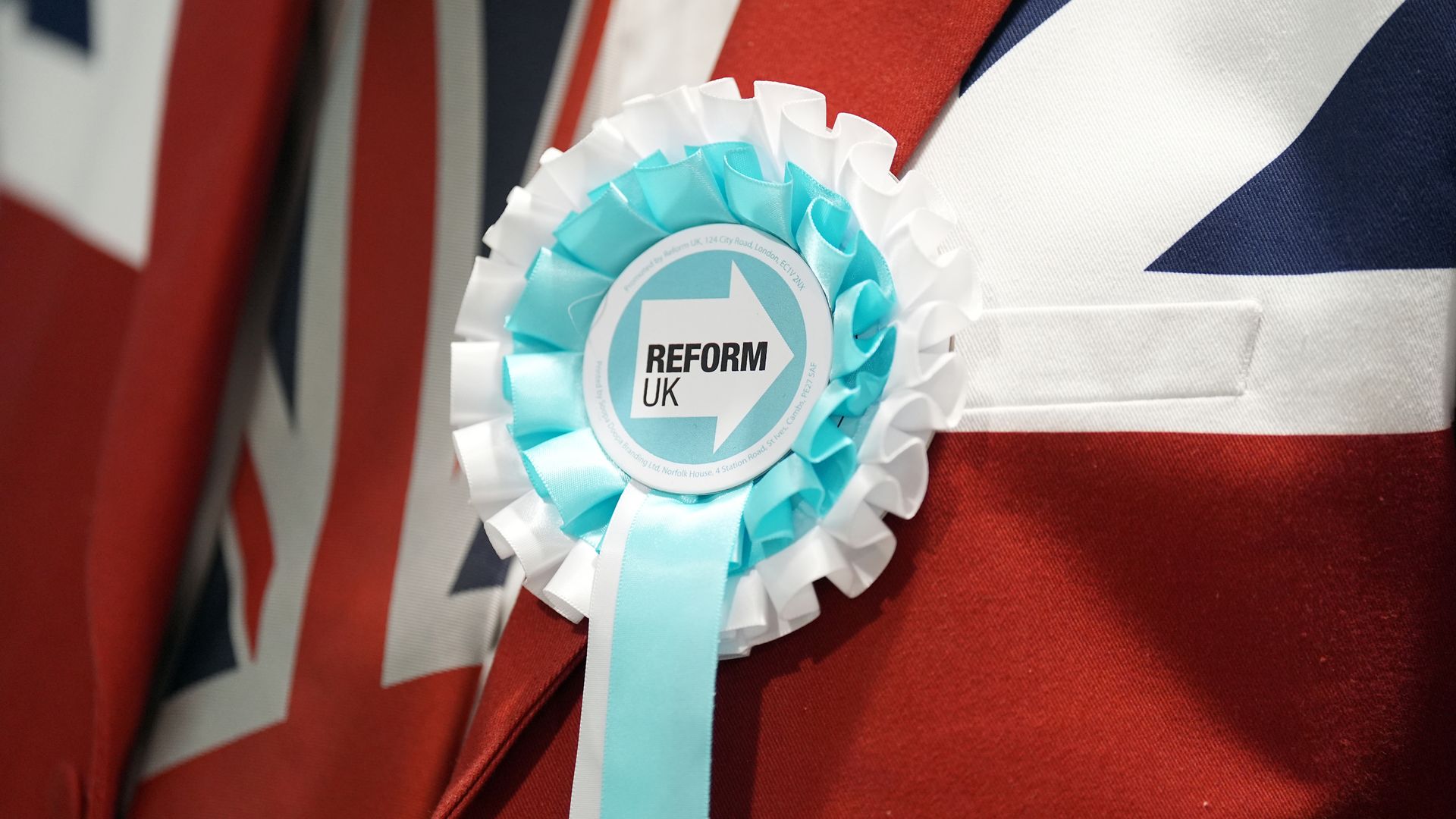
Political self-policing rarely yields shocking admissions of guilt. When Reform UK announced an internal review following an undercover media sting involving foreign funding discussions, seasoned political observers already knew the final verdict. Unsurprisingly, the party's internal assessment cleared its senior advisers of any wrongdoing, declaring that no rules were broken.
If you've followed British politics for more than five minutes, this script feels entirely familiar. Parties caught in embarrassing media exposés routinely launch internal investigations, lean heavily on friendly legal interpretations, and emerge with a clean bill of health. But outside the party's internal echo chamber, the fallout from that Channel 4 undercover operation continues to ripple through Westminster and attract the attention of actual law enforcement.
The Undercover Operation That Triggered The Storm
The controversy started when journalists posing as potential financial backers caught senior Reform figures on camera discussing creative ways to navigate strict UK electoral laws. Under British law, foreign donors cannot fund political parties. Yet footage emerged showing discussions around channelling overseas money through UK-based relatives or foreign entities.
When these clips surfaced, party leader Nigel Farage dismissed the exchanges as loose pub talk. Even so, the political damage was immediate. Advisers Dan Jukes and policy chief James Orr stepped back from their roles while the party scrambled to contain the PR disaster.
Rather than waiting passively for outside regulatory bodies to finish their work, Reform opted to commission its own inquiry. The party insisted this review would proceed independently. Critics immediately pointed out that the setup relied heavily on legal counsel with prior links to controversial political defense work, raising valid questions about how objective the process could ever truly be.
Why Internal Probes Always Reach Predictable Conclusions
Internal party inquiries are political survival mechanisms, not judicial courts. When a party investigates its own staff, the incentives are stacked entirely toward exculpation. Admitting guilt publicly hands immediate ammunition to political rivals and triggers mandatory regulatory penalties.
Reform's internal report concluded that despite loose language on tape, no actual legal violations occurred during the meetings. Party loyalists embraced this finding as total vindication, framing the sting operation as a politically motivated hit job designed to stall the party's electoral momentum.
Yet relying on an internal sign-off ignores a harsh reality. Political survival inside an organization doesn't equal legal immunity outside of it. While Reform's internal investigators found no case to answer, external watchdogs and criminal investigators operate under completely different rules.
The Real Legal Trouble Lies Elsewhere
Clearing your own staff internally doesn't make external investigations vanish. The Metropolitan Police launched a formal inquiry into the funding allegations raised by the documentary footage. Unlike an internal party review, police detectives have subpoena powers, digital forensics teams, and the authority to interview individuals under caution.
Electoral law compliance in the UK is notoriously strict. The Electoral Commission explicitly mandates that political parties verify the permissibility of donations over specific thresholds. Bending those rules, or even entertaining schemes on hidden camera to bypass them, attracts intense scrutiny that party-appointed investigators cannot simply wish away.
Reform plans to challenge the media organizations responsible for the sting, aiming to shift the narrative back toward media bias and political interference. But legal battles in courtrooms require hard evidence and strict adherence to statutory rules, far beyond the persuasive rhetoric of party press releases.
What This Means For Political Accountability
The entire episode exposes a glaring structural weakness in how British political parties regulate themselves. When major parties face financial scandals, they grade their own homework. Whether it involves opaque donor networks, undeclared gifts, or questionable overseas channels, internal reviews almost always end with absolute innocence and accusations against the media.
If you want genuine transparency in British politics, trusting political parties to investigate their own inner circle is a waste of time. True accountability only happens when independent statutory regulators and law enforcement agencies have the funding, independence, and teeth to enforce electoral law without political interference. Until then, internal inquiries will remain what they are today: sophisticated exercises in damage control.