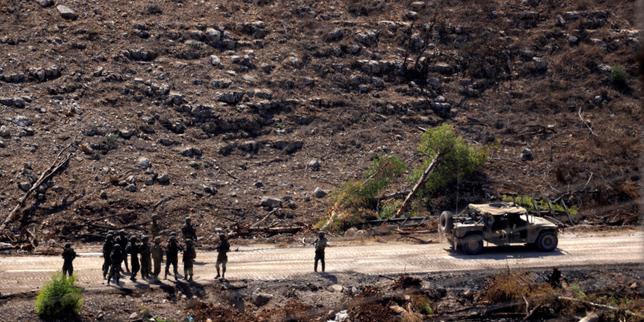
Every single border crossing in the Middle East carries weight, but recent developments tell a sharper story. When the Israeli military announced the release of five Lebanese civilians, the headlines flashed quickly across regional tickers. You probably missed the deeper context if you only skimmed the morning news alerts. Borders aren't just lines on a map. They are pressure valves.
Let's cut through the standard diplomatic noise. Why does this specific handover matter right now? Because every minor humanitarian gesture in an active theater serves a strategic purpose. It's a calculated signal sent across a tense frontier.
Understanding the Background of Cross Border Detentions
Let's look at the mechanics of how these detentions happen. The southern border of Lebanon and northern Israel remains one of the most heavily monitored and militarized zones on earth. Farmers, shepherds, and local residents frequently cross or graze livestock near the Blue Line, often ignoring or missing subtle demarcation markers.
When the Israel Defense Forces detain these individuals, standard protocol involves security interrogations to determine whether they pose any intelligence threat or have ties to armed groups like Hezbollah. Most of the time, detained civilians are agricultural workers or locals caught in the wrong place at the exact wrong time.
Holding them indefinitely serves zero strategic value. In fact, keeping innocent civilians in custody often backfires on military authorities. It sparks local protests, invites condemnation from international bodies like UNIFIL, and hands opposing media outlets an easy propaganda win. Releasing them isn't just about goodwill. It's about damage control and maintaining a baseline of operational logic.
The Role of International Mediators Behind the Scenes
You won't read about most of these negotiations in official press releases. International intermediaries work around the clock to secure the release of detained civilians before minor incidents spiral into major escalations. Organizations like the International Committee of the Red Cross routinely act as neutral go-betweens.
UNIFIL, the United Nations Interim Force in Lebanon, plays a vital liaison role. When a shepherd goes missing near the border fence, UNIFIL commanders immediately open channels between the Lebanese Armed Forces and the Israeli military. They verify identities, establish that the individuals lack military affiliations, and arrange safe handwaters through checkpoints like Ras al-Naqoura.
This behind-the-scenes diplomacy relies entirely on established trust. Even when two nations sit in a state of technical war, operational channels for minor civil infractions must remain open. If they close, misunderstandings turn deadly in minutes.
Operational channels between opposing militaries remain the only barrier preventing isolated border misunderstandings from triggering full-scale kinetic conflicts.
How Local Media Frames the Handover
Media narratives shape how communities react to these events. In Beirut, the release of these five civilians was framed as a minor humanitarian necessity after wrongful detention. Local outlets highlighted the emotional reunions of families waiting at the border crossings.
Meanwhile, Israeli coverage often downplays these routine handovers unless they carry specific deterrence messaging. The contrast in reporting reveals the deep informational divide separating the two populations. Every civilian release becomes a canvas for opposing political actors to paint their preferred portrait of strength or restraint.
When you look past the partisan framing, the core reality remains unchanged. Five people went home to their families. That matters. But it doesn't signal a broader peace treaty or a permanent cooling of hostilities along the frontier.
What This Means for the Future of the Border
Don't mistake a tactical release for a strategic shift. The underlying tensions across the Blue Line remain dangerously high. Tit-for-tat strikes continue daily, and the risk of miscalculation hangs over every village in southern Lebanon and northern Israel.
If you want to track where this region is heading, watch the buffer zones, not the temporary diplomatic gestures. Pay attention to troop movements, drone activity, and the frequency of UNIFIL patrols.
Keep your eyes on the ground realities instead of the optimistic press releases. The real story isn't the release itself. It's the fragile, broken system that requires constant international intervention just to return lost shepherds and farmers to their homes.