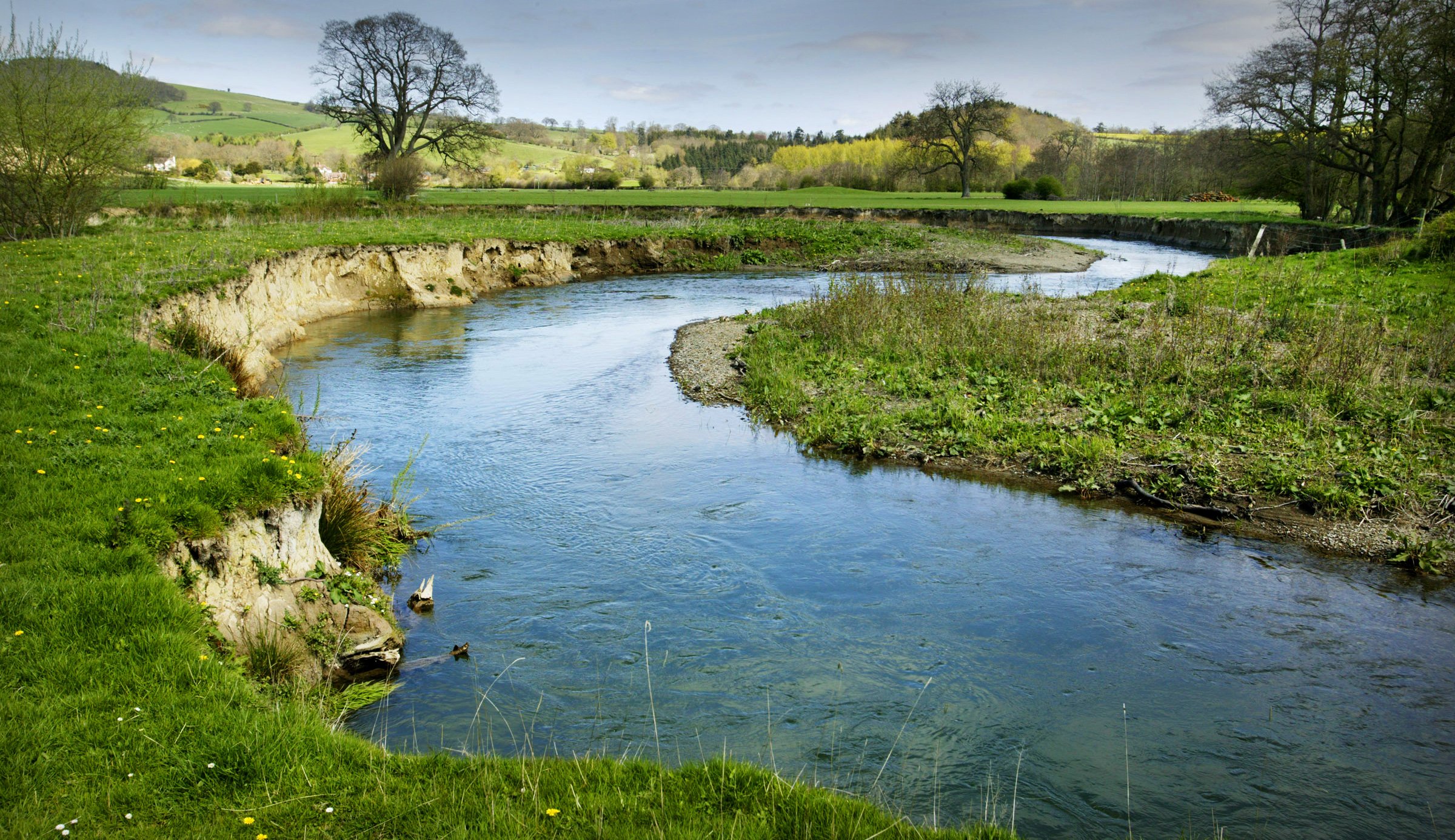
Water has a long memory in the mountains. It remembers every path it carved centuries ago, every granite boulder it tumbled, and every narrow gorge it once claimed before humans laid down asphalt and built their fragile homes along its banks.
In the high, jagged reaches of Nepal, the Bhotekoshi River is not merely a geographic feature. It is a living, breathing force. For generations, the people living in its shadow learned to read its moods. They knew when the monsoon rains swelled its currents, turning the clear, rushing mountain blue into a heavy, churning brown. They knew how to listen to the low, vibrating growl of the valley when the snows melted too fast under an unforgiving sun. But nothing in the oral history of these mountain communities prepared them for what came rushing down the channel in the dead of night.
Silence followed the roar. That is what survivors talk about first. The sound of the mountain tearing itself apart is deafening, a catastrophic percussion of grinding stone and snapping timber. Then, when the wall of water has passed, leaving only a wasteland of mud and debris in its wake, the silence that settles over the valley is terrifying. It is the silence of absence.
The raw numbers are staggering, yet they fail to capture the human cost. Officials and rescue workers combing through the wreckage report that the death toll has climbed steadily, with four hundred and seventy-five bodies recovered from the mud and the churning eddies downstream. Four hundred and seventy-five lives. Four hundred and seventy-five histories erased in a matter of hours.
Consider what happens next in a crisis like this. While global news cycles flash brief warnings across screens thousands of miles away, the real battle happens in the mud. Rescue operations are underway, though calling them operations feels almost too clinical for the desperate reality on the ground. Soldiers, local volunteers, and families claw at the debris with bare hands and rusted shovels. They are looking for a jacket, a ring, a face. Any anchor in the overwhelming grief.
To understand why this disaster hit with such ferocious speed, you have to look upward. The Himalayas are changing. The roof of the world is warming at a rate that defies historical averages. Glacial lakes, perched precariously high above human settlements like ticking time bombs held together by fragile walls of ice and loose rock, are swelling. When these glacial lakes breach—a phenomenon known as a Glacial Lake Outburst Flood—they unleash millions of cubic meters of water instantly. It is not a river overflowing its banks; it is an inland tsunami crashing down a vertical highway.
I stood near a similar Himalayan gorge years ago, listening to the hollow clatter of rolling stones beneath the surface of a seemingly placid stream. A local guide named Pemba pointed up toward the snowline and shook his head. He told me then that the mountain was getting tired. He did not mean it poetically. He meant that the permafrost holding the upper slopes together was thawing, turning solid cliffs into sliding scree. Every heavy rainfall now acts as a trigger, loosening tons of earth that tumble directly into the river arteries.
The Bhotekoshi did not just flood. It swallowed.
Entire sections of roads vanished, cutting off remote mountain hamlets from medical supplies and communication. Bridges that had stood for generations were snapped like dry twigs. For the families stranded in the higher altitudes, time split cleanly into two distinct epochs: before the wall of water, and after.
Rescue workers face impossible conditions. Choppers battle erratic mountain winds, trying to set down on patches of earth that might give way at any second. Below, teams navigate chest-high slurry, searching eddies where the river slows its pace and drops its heavy cargo. Every recovery brings a harsh mixture of closure and devastation. A mother finds a child’s red boot. A brother pulls a framed photograph from a shattered doorway. These are the details that statistics ignore. The statistics tell you the scale of the tragedy; the details tell you the weight of it.
Climate scientists have warned about these tipping points for decades. They speak in terms of atmospheric rivers, shifting monsoon patterns, and thermal expansion. But down in the valley, climate change is not a political debate or a graph on a slide deck. It is an unannounced visitor that kicks your door off its hinges at three in the morning. It is the sudden realization that the landscape you trusted your entire life has turned against you.
As the sun dips behind the jagged peaks, casting long, bruised shadows over the valley, the search parties do not stop. They work by the harsh glare of floodlights powered by rumbling generators, their beams cutting through the thick dust hanging in the air. They know the window for finding survivors is closing with every passing hour. Yet they keep digging.
The river continues its journey south toward the plains, carrying the debris of human lives toward the Ganges, indifferent to the sorrow left in its wake. But the people of the Bhotekoshi valley remain. They are staring at a changed geography, wondering how to rebuild in a place where the old rules no longer apply. The water has receded, leaving behind a hard, gray crust over everything they loved, and the mountain stands silent, keeping its own counsel.