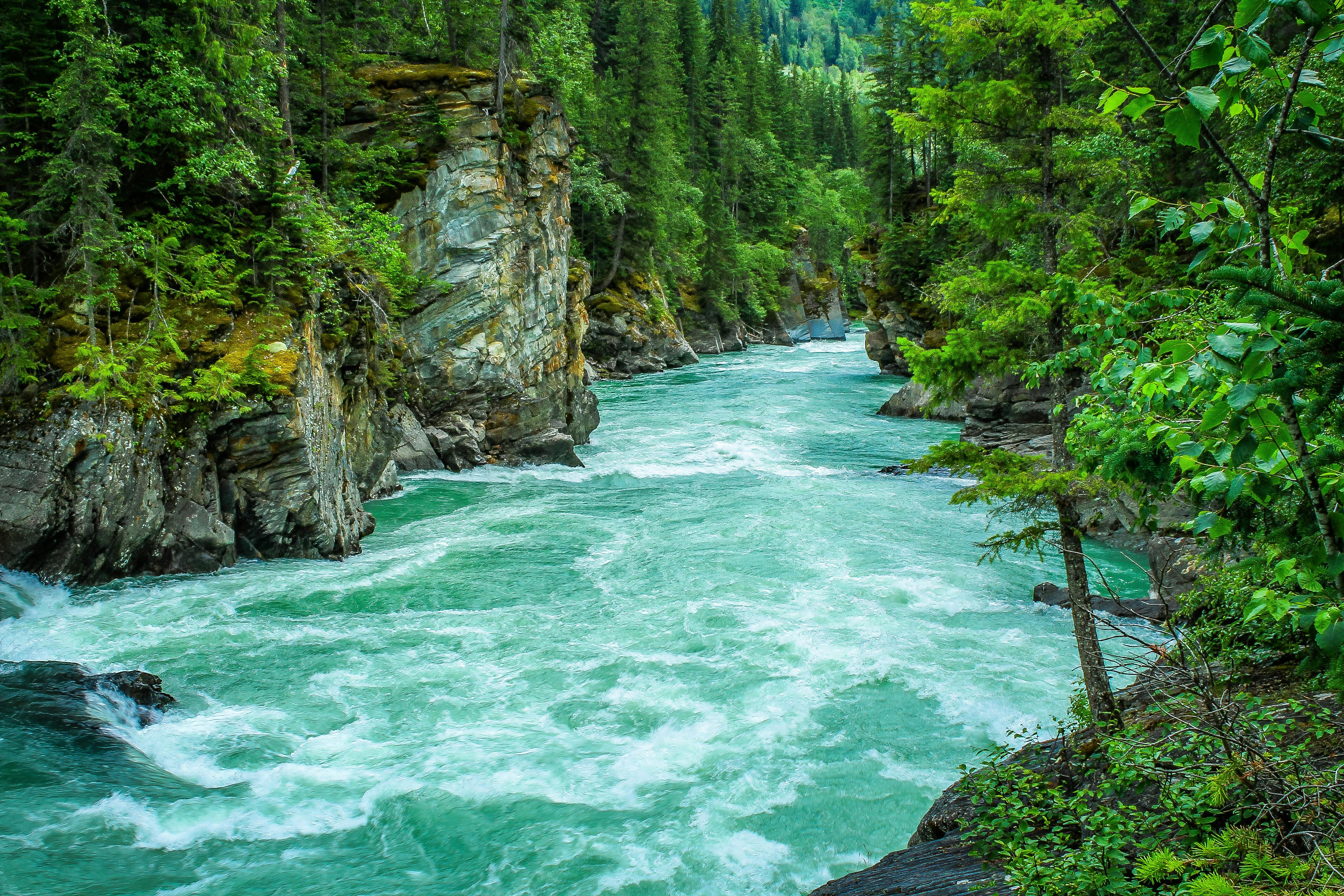
Water has a long memory. When the monsoon swells break their banks, roaring down the steep gorges of the Himalayas, they do not just rearrange the earth. They swallow stories whole. Three weeks after the catastrophic floods tore through Nepal, stripping away soil, concrete, and lives with terrifying indifference, the mud is beginning to settle. But the river has not finished speaking.
Recovery crews working along two battered hydropower projects have just pulled ten more bodies from the wreckage. Ten more families forced to trade the agonizing suspense of absence for the heavy, quiet finality of grief.
To read a dispatch about a disaster is to look at a map from a great height. Numbers replace names. Statistics flatten human agony into neat editorial summaries. Yet behind the dry official tally of ten recovered bodies lies a landscape of waiting. In mountain communities where everyone is tethered to everyone else by blood, marriage, or shared hardship, a missing person is not a missing data point. An empty chair at a hearth is a constant, suffocating weight.
For twenty-one days, rescue workers have combed through silt-choked turbines, twisted rebar, and pulverized concrete. These hydropower stations, built to harness the ferocious energy of Nepal’s rushing rivers to light up distant cities, became sudden traps. When the wall of water hit, concrete structures that felt permanent proved fragile as glass. The machines stopped. The lights flickered out. And beneath tons of gray debris, people vanished.
Search operations are grueling work. The air smells of wet earth, stagnant water, and the sharp, metallic tang of ruined infrastructure. Rescue personnel step carefully across unstable banks where the earth could give way at any second. Every boulder overturned is a gamble. Every expanse of gray sludge holds a grim possibility.
And now, the harder truth arrives. While these ten recoveries bring a fraction of closure to ten households, authorities have quietly signaled the halt of searches across ten other zones.
How do you tell a mother, a brother, a child, that the river has hidden its secrets too well? How do you accept that the search must end when the ground itself is too dangerous to walk, and the physical footprint of the disaster has stretched beyond the reach of human hands?
The math of catastrophe is brutal. Resources thin out. The muddy currents cut deeper channels, carrying traces miles downstream toward international borders, out of reach. Stopping a search is not a surrender to apathy. It is a surrender to reality. Yet that realization offers little comfort to those standing on the muddy banks, watching the rescue teams pack up their ropes and stretchers, their eyes fixed on water that refuses to give up the rest of its dead.
Nepal is no stranger to the wrath of nature. This is a country etched by seismic shifts and torrential rains, where beauty and danger share the same breath. People here know how to rebuild. Walls go back up. Roads are cleared stone by stone. Generators hum back to life. But the architecture of a community is built on trust—trust in the earth beneath your feet, trust in the season's rhythm. When the rhythm breaks so violently, the recovery is never just physical.
Consider the engineer who calculated the load-bearing capacity of the concrete walls, or the local laborer who walked to the turbine site every morning before the sun cleared the peaks. Their lives were bound to the quiet hum of progress. When the flood came, it did not care about blueprints or wages. It leveled everything into a uniform gray canvas.
As the search parties pull back from those ten halted zones, the silence left behind will be louder than the roar of the rapids. The water will clear eventually. The sun will bake the mud into crusty terraces. Tourists will return to trek the breathtaking trails, and engineers will draft new plans to shore up the riverbanks against the next inevitable fury.
Yet for those ten families welcoming their dead back home, and for the families of those whose resting places remain unknown, the calendar has split permanently into two halves. There is life before the water rose, and life in the long shadow of what it took away.
The river moves on. It always does. But it leaves us to reckon with the pieces it washed ashore, and the profound, haunting emptiness of the ones it kept.