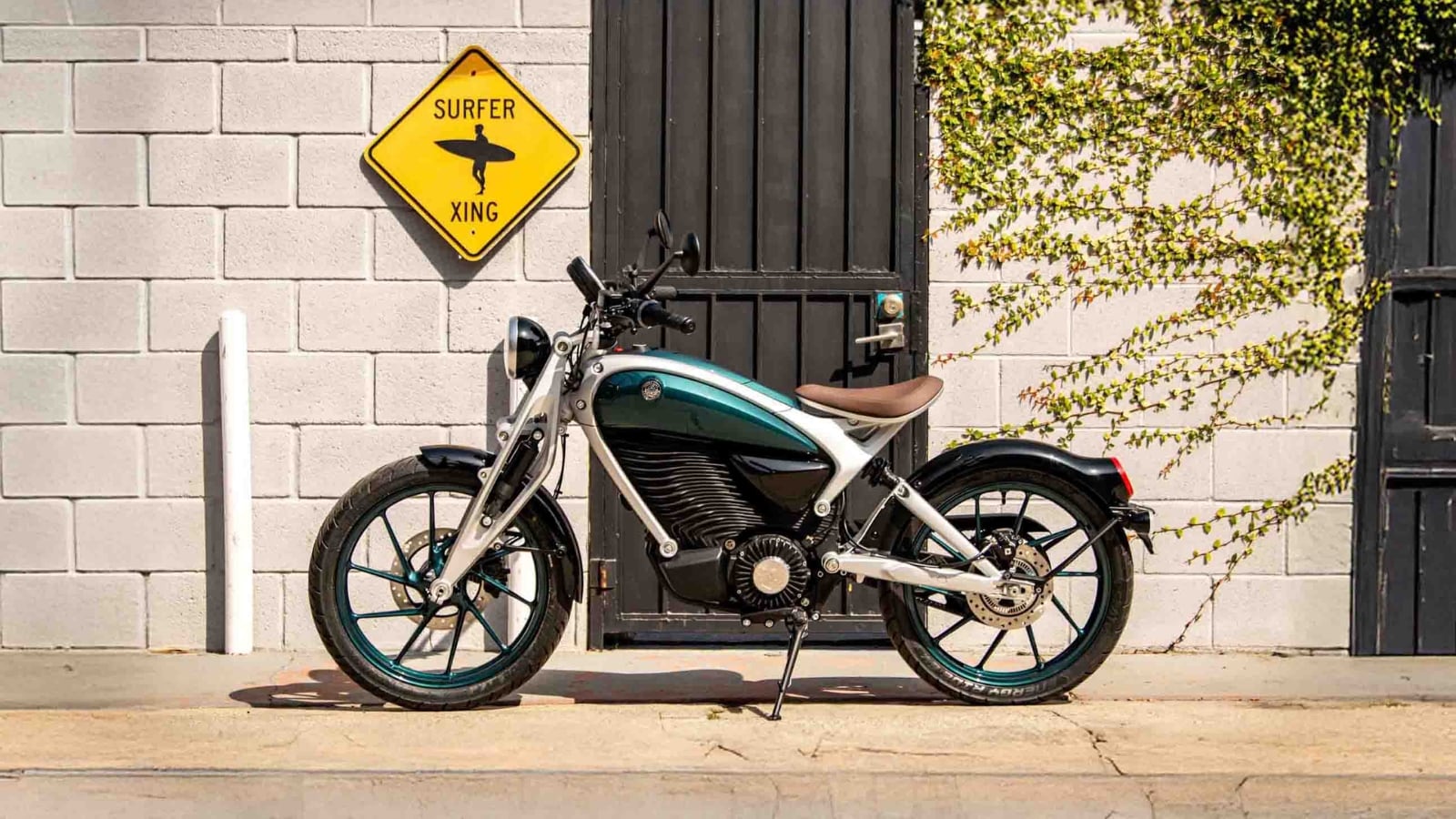
Electric motorcycles usually fall into two boring camps. They are either flimsy toys disguised as e-bikes or astronomically expensive status symbols for tech billionaires. Royal Enfield just blew up that tired formula. The storied manufacturer brought its dedicated electric spin-off brand, Flying Flea, straight to five major European hubs and the UK. The flagship Flying Flea C6 electric motorcycle is officially landing in London, Paris, Berlin, Rome, and Barcelona, with deliveries rolling out.
If you think this is just another corporate PR stunt in the green mobility space, look closer. Royal Enfield didn't slap a battery onto an existing frame. They built a clean-sheet machine from the ground up, blending 1940s wartime heritage with modern engineering. Let's break down what this bike actually offers, why the specifications matter, and whether it deserves a spot in your garage.
The Design Story Behind the Flying Flea C6
Heritage marketing usually makes me roll my eyes. Every brand claims some historical tie-in to sell a modern product. But Royal Enfield has actual receipts here. The name "Flying Flea" nods directly to the lightweight two-stroke motorcycles used by British airborne troops during World War II, dropped behind enemy lines in custom protective cages.
The modern C6 channels that spirit through a striking visual layout. You immediately notice the forged aluminum girder-style front fork. It looks completely distinct from the standard telescopic forks found on almost every commuter bike today. Housed within a cast magnesium alloy casing, the 3.91 kWh lithium-ion battery acts as a stressed member of the chassis, keeping weight down and rigidity high.
At 124 kg ready to roll, the bike lives up to its nimble moniker. It is light enough for absolute beginners to handle without breaking a sweat in tight traffic spaces, yet substantial enough to feel planted on the asphalt. Buyers can pick from three distinct colourways: Flea Green, Storm Black, and Parachute White.
Performance and Real-World Range
Let's talk numbers because specs dictate whether an electric commuter is practical or useless. The mid-mounted, air-cooled permanent magnet motor pumps out a peak power of 15.4 kW (roughly 20.65 bhp) alongside 60 Nm of torque.
Power delivery on electric bikes is instantaneous. You twist the throttle, and you move. The C6 rockets from 0 to 60 km/h (about 37 mph) in 3.7 seconds. That punchy acceleration gives you a massive advantage at urban traffic lights. It keeps pulling until it hits an electronically managed top speed of 72 mph (115 km/h). You aren't trapped in the slow lane; you can comfortably hop onto dual carriageways or ring roads without feeling like a rolling chicane.
Range sits at a claimed 104 km (65 miles) under WMTC testing conditions. Real talk: if you hammer the throttle in cold weather or spend your entire commute pinned at 70 mph, that number will drop. But for typical urban and suburban commutes, 65 miles covers daily running requirements comfortably.
When it is time to juice up, the bike accepts power from a standard 16-amp wall socket using an onboard charger. Hook it up, and you go from 20 to 80 percent charge in roughly 60 minutes. Royal Enfield also built in a clever trickle-charging mode specifically designed to protect long-term battery health if you leave it plugged in overnight.
Technology That Actually Makes Sense
Most motorcycle infotainment systems feel like an afterthought ported over from a cheap tablet. Royal Enfield took a different route by developing Fleaware OS, a proprietary adaptation running on Android Automotive OS.
You operate the round touchscreen TFT display using a joystick and dedicated buttons on the handlebar. One standout feature is the rotary ride mode switch on the handlebar, which reviewers have called an industry first for intuitive tactile control.
You also get features that punch way above this price tier:
- Lean-angle ABS and traction control for safety in wet European street conditions.
- Reverse regenerative braking, activated by rolling the throttle backwards past its natural stop to feed energy back into the pack.
- Full connectivity suite including cruise control, voice assist, over-the-air updates, and remote monitoring.
Pricing and Market Position
In the UK, bookings open at £5,300, while continental European buyers will see prices around €5,990.
Consider what else is out there. Premium electric startups often charge nearly double that amount for comparable range and performance, while struggling with sparse dealer networks. Royal Enfield holds a massive trump card here: established infrastructure. When you buy a Flying Flea in London or Paris, you are backed by real storefronts, trained technicians, and a century-old global brand presence.
Initial rollout locations include dedicated boutique spaces like Krazy Horse in London and official brand flagships in Paris, Berlin, Rome, and Barcelona.
Making Your Move
If your daily commute involves slicing through congested city streets and you want an electric machine that avoids looking like a futuristic plastic scooter, the C6 demands attention.
Stop by one of the launch-city showrooms if you live nearby, check out the adjustable footpegs and modular pillion setup in person, and book a test ride to experience how lightweight electric steering changes urban agility. The future of city transit just arrived, and it actually has style.

