Religious freedom in Russia doesn't disappear overnight. It erodes through tax audits, quiet police visits, and sudden extremism probes.
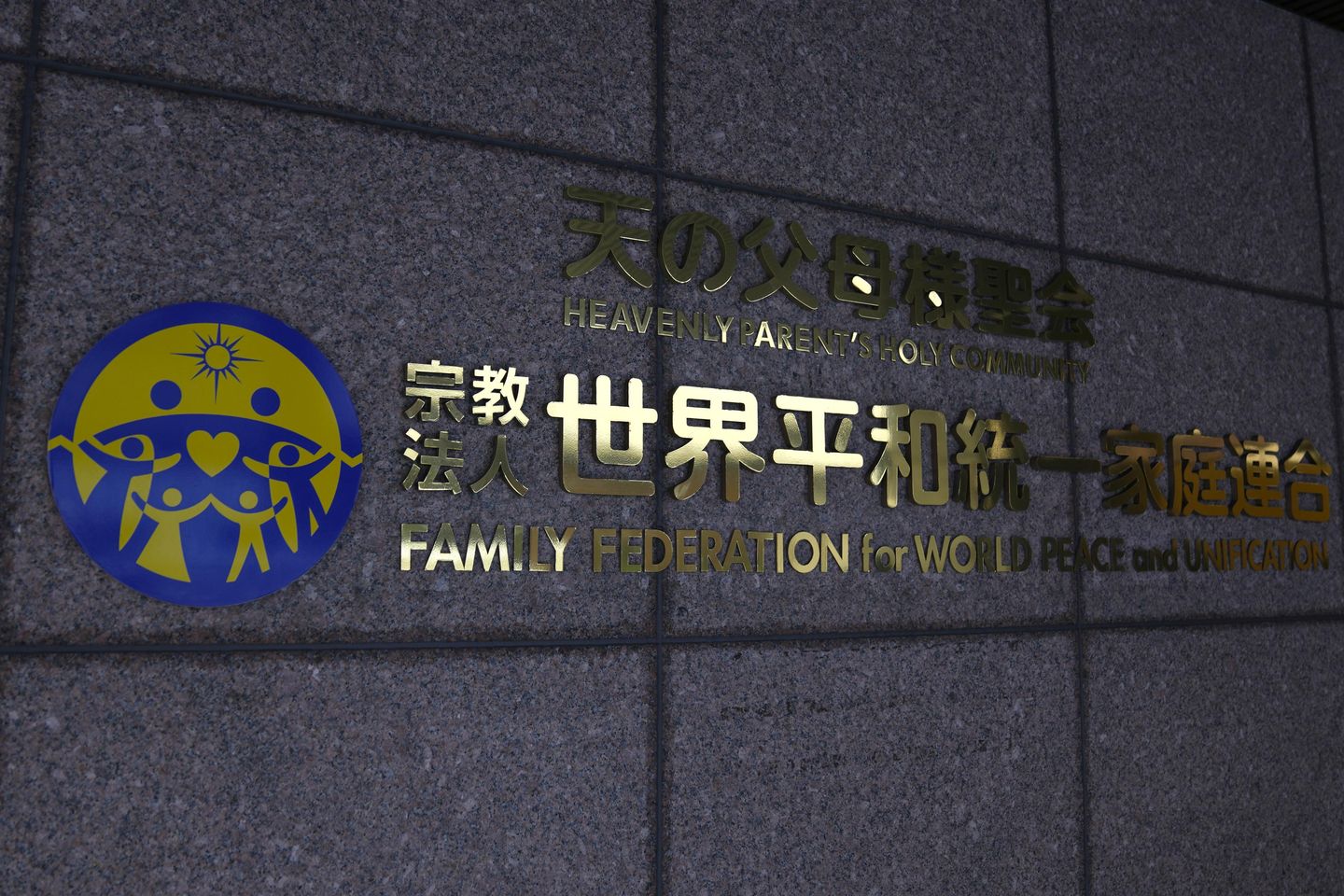
When Russian authorities launched an investigation into the Family Federation for World Peace and Unification—better known globally as the Unification Church—most Western observers barely blinked. They wrote it off as just another chapter in Moscow's long-running campaign against foreign religious groups. They missed the real trigger. The crackdown on the Russia probes Family Federation case isn't really about theology or registration paperwork. It's about Ukraine.
If you've tracked religious repression across the post-Soviet space for any length of time, you start to recognize the Kremlin's playbook. First comes the smear campaign in state-aligned media. Next, local prosecutors suddenly "discover" administrative violations that somehow went unnoticed for decades. Finally, the group gets slapped with an "undesirable organization" or "extremist" label, effectively criminalizing prayer meetings in private apartments.
With the Family Federation, the timing tells you everything you need to know.
The Real Trigger Behind the Russian Investigation
Moscow has tolerated the Unification Church inside its borders since the collapse of the Soviet Union. In fact, back in 1990, Mikhail Gorbachev personally met with the movement's founder, Sun Myung Moon, in the Kremlin. For over thirty years, the group operated legally, ran educational seminars, and maintained registered chapters across major Russian cities without facing an existential ban.
So what changed?
Follow the money and the humanitarian trucks. Since the full-scale invasion of Ukraine in February 2022, international branches of the Family Federation and its affiliated charities—like the Universal Peace Federation (UPF) and the Women's Federation for World Peace—have funneled significant humanitarian relief directly to Ukrainian refugees and displaced families. They didn't just send thoughts and prayers. They organized evacuation buses, funded medical supplies in Poland and Moldova, and publicly condemned the humanitarian toll of the war.
In today's Russia, supporting Ukraine—even strictly through non-political, humanitarian channels—is treated as treason.
Russian security services, specifically the FSB and the Ministry of Justice, operate under a zero-tolerance doctrine regarding foreign-linked networks that show solidarity with Kyiv. When an international religious movement uses its global infrastructure to aid Ukrainians, Moscow views its Russian branch as a potential fifth column. The official excuse might be "unlawful missionary activity" or "financial irregularities." The actual offense is refusing to stay neutral.
How Moscow Weaponizes Extremism Laws Against Minorities
To understand what's happening to the Family Federation, you have to look at the legal machinery Russia built over the last decade.
The turning point was the 2016 Yarovaya Law. Sold to the public as an anti-terrorism measure, it drastically restricted where and how religious groups could share their beliefs. Suddenly, inviting a neighbor to a Bible study or distributing literature outside a registered church building became a criminal offense.
Then came the 2017 Supreme Court ruling that banned Jehovah's Witnesses as an "extremist" organization. That was the watershed moment. Once the Kremlin realized it could label a pacifist Christian denomination as extremist without facing meaningful domestic pushback, the floodgates opened.
Here's how the trap usually snaps shut on groups like the Family Federation:
- The "Foreign Agent" Stigma: Because the Family Federation is headquartered in South Korea and maintains strong ties to the United States and Japan, Russian prosecutors immediately frame it as an instrument of Western intelligence. Never mind that the group is anti-communist by historical origin. In Moscow's current worldview, South Korea and Japan are "unfriendly states," making any religious group tied to them suspect by default.
- Selective Enforcement: Russian inspectors will comb through thousands of pages of financial records from a local chapter in Moscow or St. Petersburg. If a single receipt is missing or a charity event wasn't pre-approved by municipal authorities, it becomes grounds for liquidation.
- Guilt by Association: Authorities don't need to prove that Russian members of the Family Federation personally sent money to Kyiv. Under current Russian legal practice, simply belonging to an international movement whose global leadership backs Ukraine is enough to trigger criminal liability for "participating in the activities of an undesirable organization."
Honestly, it's a rigged game. You can't comply your way out of a politically motivated probe.
Why the South Korean and Japanese Connections Make It Worse
Geopolitics always bleeds into religion in Eurasia. You can't separate them.
The Family Federation isn't a small, isolated sect; it's a massive global network with deep roots in Northeast Asia. And right now, Moscow's relationships with both Seoul and Tokyo are at historic lows. South Korea has become a major indirect supplier of artillery shells to Ukraine's allies, while Japan has imposed sweeping economic sanctions on Russia.
Think about how the Kremlin views this. From Moscow's perspective, a South Korean-founded religious movement operating inside Russia looks like soft power from an adversary nation.
At the exact same time, the Family Federation has been fighting for survival in Japan following the 2022 assassination of former Prime Minister Shinzo Abe, which sparked intense scrutiny over the group's fundraising practices. Russian state media has eagerly amplified those Japanese court battles to paint the organization as a dangerous, manipulative cult. It's a classic information warfare tactic: take a genuine controversy from abroad, strip away all nuance, and use it domestically to justify a police raid.
I've seen this exact pattern play out with Scientology, Falun Gong, and various evangelical Protestant churches across Russia. Moscow waits until a group is politically vulnerable internationally, then strikes when few foreign governments are willing to spend diplomatic capital defending them.
What Happens to Believers on the Ground
When headlines say "Russia probes Family Federation," it sounds abstract. Bureaucratic. Almost boring.
For ordinary members living in Russia, it's terrifying.
Once the Ministry of Justice initiates an audit or prosecutors open a preliminary investigation, daily life changes instantly. Bank accounts tied to local congregations get frozen, meaning churches can't pay rent or utility bills. Foreign missionaries and visiting pastors have their visas revoked or find themselves quietly placed on entry bans at Sheremetyevo Airport.
Worse still is the psychological pressure. FSB officers frequently summon local congregation leaders for "informal chats." There's no warrant, no lawyer present, just a blunt warning: shut down your activities voluntarily, or we'll start arresting people under Article 282 of the Criminal Code—the notorious extremism statute that carries multi-year prison sentences.
Many believers end up destroying their own religious texts just to avoid having them used as "evidence" during an early-morning apartment raid. Others quietly flee to Kazakhstan, Georgia, or Armenia, joining the massive diaspora of Russian religious minorities who realized they couldn't practice their faith safely at home anymore.
Common Misconceptions About Religious Crackdowns in Russia
If you read casual commentary online, you'll see a lot of bad takes about why this happens. Let's clear up the biggest ones.
First, people assume the Russian Orthodox Church is directly ordering these raids to eliminate competition. It's not that simple. While the Moscow Patriarchate certainly enjoys its privileged status and rarely objects when minority faiths are crushed, the driving force behind the Family Federation probe is the security apparatus, not the clergy. The FSB cares about political loyalty and foreign influence, not theological heresy.
Second, some observers believe that if a religious group simply stays out of politics, Moscow will leave it alone. That might have been true in 2012. It's completely false in 2026. Silence is no longer enough. Unless a religious organization actively endorses the Russian state's narrative—or at least severs all ties with international bodies that criticize the war in Ukraine—it remains a target.
Third, don't fall for the idea that these probes are just routine regulatory checks. The Russian Ministry of Justice conducts thousands of legitimate administrative reviews every year. They don't leak those reviews to state-controlled news agencies unless the political decision to dismantle the group has already been made at a higher level.
How to Track and Verify Religious Persecution Cases in Russia
Because state media distorts everything and local members are often too scared to speak publicly, getting accurate facts about ongoing probes like the Family Federation case requires knowing where to look. If you're researching this or monitoring human rights developments in the region, skip the mainstream wire summaries and go straight to the primary monitors:
- Forum 18 News Service: Based in Oslo, this is the gold standard for reporting on religious freedom violations across Russia and Central Asia. They verify court filings, interview local lawyers, and document exact legal articles used by prosecutors without sensationalism.
- SOVA Center for Information and Analysis: Even after Russian authorities forced its formal liquidation, researchers formerly tied to SOVA remain the sharpest analysts of how Moscow misuses anti-extremism laws against peaceful religious groups.
- USCIRF (U.S. Commission on International Religious Freedom): Their annual country reports on Russia track the exact progression from initial administrative probes to full Supreme Court bans, giving you the historical context needed to see where a specific case is headed.
Watch the court dockets in Moscow's district courts over the coming months. Once a prosecutor files a formal suit to liquidate a centralized religious organization, the legal outcome is practically guaranteed. The only real question left is whether the local leadership manages to dissolve their legal entities and move underground before the arrests begin.