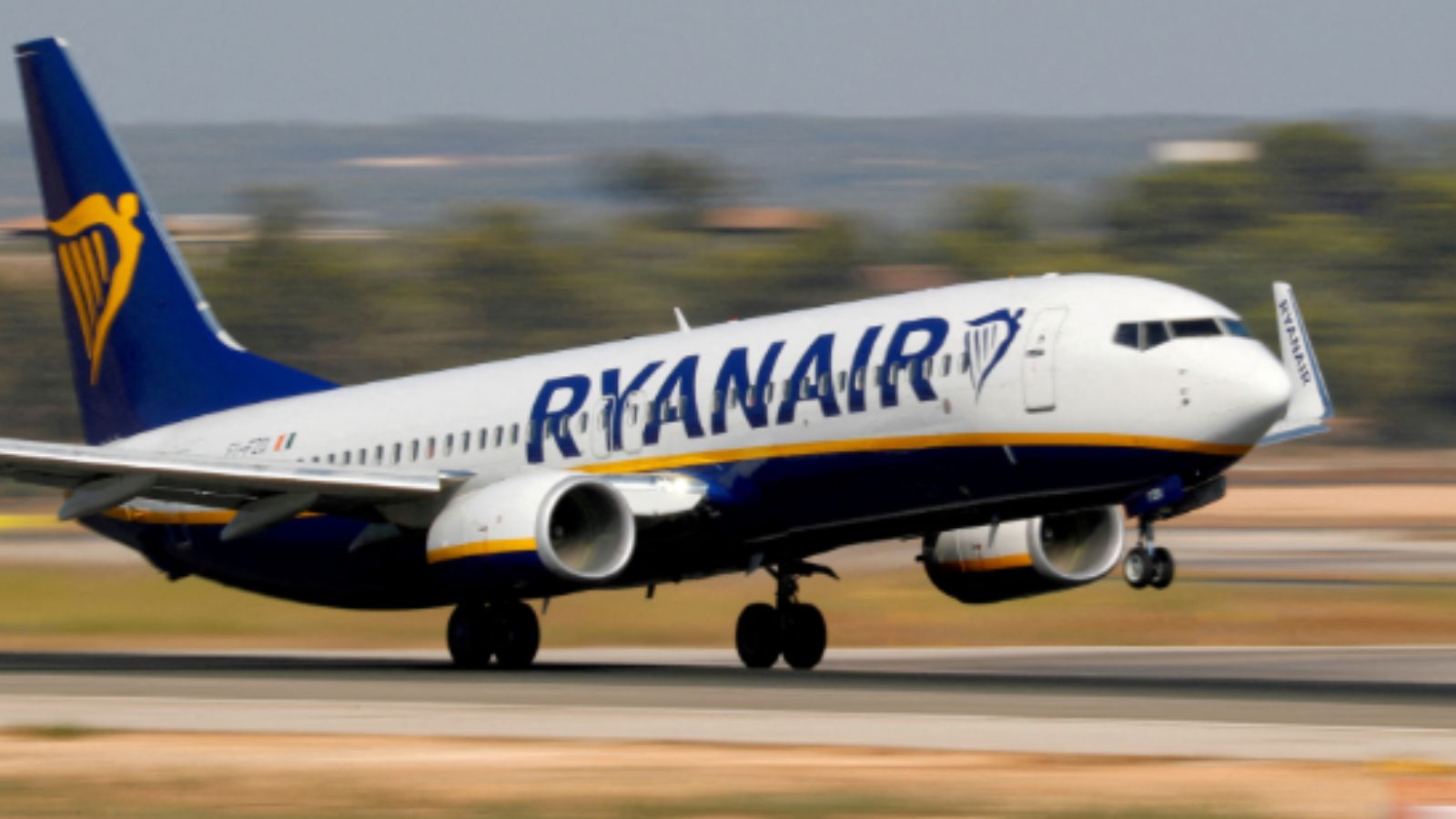
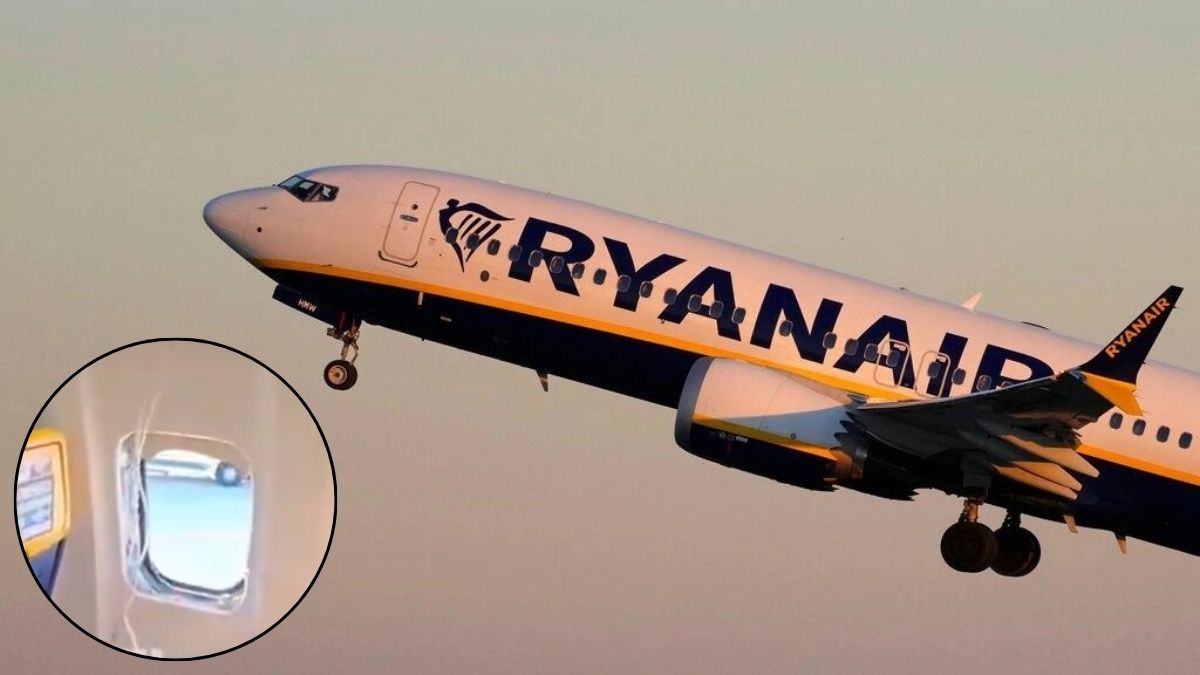
Sensational headlines recently claimed a Ryanair flight turned into a living nightmare, alleging a passenger's head was sucked out of a window while oxygen masks dropped and the pilot shouted emergency. It sounds like a Hollywood disaster script. It is also physically impossible on a modern commercial airliner.
While rapid decompression is a genuine, documented aviation hazard, the physics of modern fuselage design and standard operating procedures mean the dramatic narrative of passengers being halfway pulled through cabin windows on standard short-haul flights is a myth. The real story isn't a sensationalized horror movie script. The real story lies in the grueling, highly calculated reality of emergency descents, the actual mechanics of cabin pressure, and the psychological toll of high-altitude emergencies on untrained passengers.
Understanding what actually happens when an aircraft loses pressure requires looking past the breathless tabloid copy and examining the hard engineering that keeps thousands of feet of aluminum and composite material intact every day.
The Cold Physics of Cabin Pressure
An aircraft cabin is a pressurized vessel. At a cruising altitude of 35,000 feet, the air outside is far too thin to support human life. To keep passengers conscious and comfortable, engines pump conditioned air into the cabin, creating an internal environment that mimics an altitude of roughly 6,000 to 8,000 feet.
This creates a massive pressure differential. The air inside is pushing outward with tremendous force against the freezing, thin air outside.
If a window or a seal fails, the air does not slowly leak. It rushes out instantly to equalize the pressure. This is known as explosive or rapid decompression.
The Structural Reality
Commercial airliner windows are not single panes of glass. They are multi-layered assemblies made of heavy-duty acrylic. The thick outer pane bears the structural load of the pressure differential. The middle pane acts as a fail-safe, and the inner pane—the one passengers can actually touch—is merely a scratch shield.
For a window to fail entirely, an object must impact it with catastrophic force, or a catastrophic structural fatigue crack must propagate through the airframe. On standard narrow-body aircraft like the Boeing 737 fleets operated by ultra-low-cost carriers, these windows are engineered to withstand forces far greater than those encountered during standard turbulence or minor foreign object debris strikes.
Furthermore, the physical geometry of an aircraft window makes the "head sucked out" scenario highly improbable unless the entire structural frame fails completely. In historic incidents where individuals were partially pulled through openings—such as the infamous Aloha Airlines Flight 243 in 1988 or Southwest Airlines Flight 1380 in 2018—the failures involved massive structural unzipping of the fuselage skin or fan blade failures that shattered entire window assemblies violently. They were not spontaneous window pops on routine flights.
What Happens When the Masks Drop
When a decompression event occurs, automated systems detect the spike in cabin altitude. If the cabin pressure tops the equivalent of 14,000 feet, the overhead panels open automatically.
Oxygen masks drop down.
This moment triggers instant panic in the cabin, but the mechanics behind those yellow plastic cups are frequently misunderstood.
- Chemical Oxygen Generators: The masks are not connected to central tanks of compressed oxygen. Instead, pulling the mask toward you triggers a small chemical reaction inside a canister located above your seat. This reaction typically involves sodium chlorate and iron powder, which burn together to produce oxygen gas.
- The Scorched Air Smell: Because this reaction relies on controlled chemical burning, the canisters become incredibly hot. This produces a distinct, slightly metallic, burning smell throughout the cabin. Passengers often assume the plane is on fire, compounding the terror, when in reality, the system is working exactly as designed.
- Limited Duration: These chemical generators only provide oxygen for approximately 12 to 15 minutes. This is not a design flaw. It is an intentional engineering choice based on standard flight profiles.
The fifteen-minute window exists for a single reason. It gives the flight crew exactly enough time to execute an emergency descent to a safe altitude where humans can breathe normally without supplemental oxygen.
The Five Thousand Foot Per Minute Plunge
When a decompression alert sounds in the cockpit, the flight crew does not scream into the public address system. They work through a disciplined, memory-based checklist designed to save lives in seconds.
The pilot's immediate priority is to get the aircraft down to 10,000 feet or the lowest safe altitude allowed by local terrain.
To achieve this, the pilots disconnect the autopilot, close the thrust levers, and extend the speed brakes. They pitch the nose of the aircraft down into a steep dive. The descent rate can easily exceed 5,000 to 6,000 feet per minute.
To a passenger sitting in the back, this feels like a catastrophic plunge. The floor drops out from beneath your feet. The engines go quiet as power is pulled back, and the rushing sound of wind against the airframe grows deafeningly loud.
The pilot is not losing control. The pilot is actively racing against the clock.
At 35,000 feet, the Time of Useful Consciousness—the window a human has to act before hypoxia renders them completely incapacitated—is mere seconds. If a passenger fails to secure their mask immediately, they will lose consciousness rapidly, followed by severe neurological damage. The steep descent is the only definitive way to ensure everyone on board survives, even if the passenger oxygen supply runs out.
The Human Factor and the Tabloid Echo Chamber
If the engineering is so resilient and the training so rigid, why do stories of "flights from hell" dominate the news cycle whenever a flight experiences a routine diversion due to a pressurization fault?
The answer lies in the massive gap between aviation reality and passenger perception.
Modern air travel has become so mundane that passengers forget they are hurtling through the stratosphere at 500 miles per hour in a pressurized metal tube. When the illusion of absolute safety is broken by a sudden loud bang, a drop in cabin temperature, and the deployment of masks, the brain struggles to process the environment.
Hypoxia can set in subtly, causing confusion, euphoria, or extreme anxiety before a passenger even realizes they are starved of oxygen. Combine that physiological strain with a rapid, steep descent, and a standard emergency procedure feels indistinguishable from a fatal crash.
When the aircraft lands safely, passengers recount their experiences through the lens of that absolute terror. A loud whistling noise near a door seal becomes "the fuselage ripping open." A pilot communicating via the radio with Air Traffic Control using standard emergency phraseology becomes "the captain screaming in panic."
Tabloid media outlets seize on these emotional accounts, strip away the aviation physics, and publish sensationalized narratives that bear little resemblance to the actual flight data logs.
The Real Vulnerabilities We Should Be Talking About
The focus on sensationalized window blowouts distracts from the genuine operational challenges facing short-haul, high-utilization carriers today.
As airlines squeeze more flights into daily schedules to maximize profitability, turnaround times on the ground shrink. Aircraft are pushed through rapid inspections between legs. While maintenance protocols remain heavily regulated, the relentless pace of operations puts immense pressure on crews and ground technicians to identify subtle issues before they become mid-air emergencies.
Slow cabin leaks, failing outflow valves, and aging door seals are the real, quiet culprits behind most decompression events. They lack the cinematic horror of a shattered window, but they present a far more common operational risk.
Ensuring rigorous oversight, protecting whistleblowers within the maintenance sector, and managing pilot fatigue during intense short-haul schedules are the factors that actually keep passengers safe. Sensational stories about windows sucking people out of planes sell advertisements, but understanding the cold engineering and strict protocols of aviation is what actually demystifies the skies.