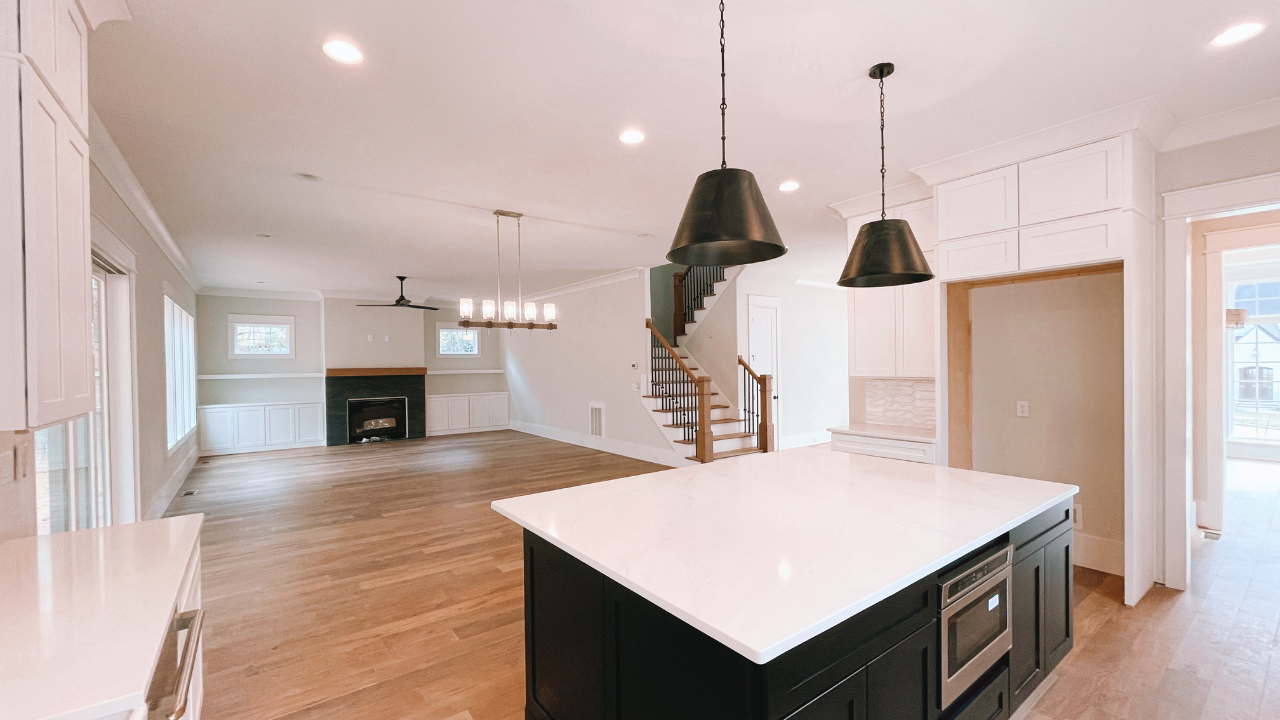
San Diego has a supply problem that isn't just about new construction. Thousands of perfectly good houses sit empty while families scramble for a place to live. It’s a bizarre reality in one of the most expensive cities in America. If you walk through neighborhoods like Little Italy or the Gaslamp District at night, you'll see entire floors of luxury condos with the lights off. Nobody’s home. They aren't just between renters. They’re intentionally vacant. Local officials are finally losing patience with this. A proposed vacant home tax is gaining steam, and it’s designed to hit owners where it hurts—their bank accounts.
The logic is simple. If you're wealthy enough to keep a home empty while people sleep in their cars, you should pay for the privilege. Supporters say this will push owners to either rent out their units or sell them. Opponents call it government overreach and a violation of property rights. I think it’s a desperate move for a desperate city. When the average rent for a one-bedroom apartment hovers around $2,400, "waiting for the right buyer" starts to look like a luxury San Diego can no longer afford.
Why San Diego Houses Are Sitting Empty
You’d think high rents would be enough to make anyone want a tenant. But for many high-net-worth investors, a tenant is a liability. Tenants cause wear and tear. They have rights that make eviction difficult in California. For a billionaire in another country or a corporate investment firm, the property is just a line on a spreadsheet. They’re betting on land appreciation, not monthly cash flow.
Census data and local housing reports suggest there are anywhere from 10,000 to 30,000 vacant units in San Diego County. Not all of these are "luxury ghost gems." Some are in probate. Others are undergoing long-term renovations. But a significant chunk consists of secondary homes or investment vehicles. In a city where the housing deficit is measured in the tens of thousands, these empty shells represent a massive wasted resource.
The City Council is looking at models from other cities. Vancouver and San Francisco already tried this. In Vancouver, the tax reportedly brought thousands of units back to the market and generated millions for affordable housing. San Diego wants that same win. They want to turn "dead" inventory into living spaces.
The Financial Sting of a Vacancy Tax
This isn't just a small fee. We're talking about a serious financial penalty. Proposals usually suggest a tax based on the property’s assessed value. If a condo is worth $1 million, a 1% tax means a $10,000 annual bill just for keeping the door locked. That changes the math for investors. Suddenly, the "hassle" of a tenant looks a lot more attractive than a five-figure penalty.
Exemptions and Loopholes
Government programs always have fine print. Most proposals include exemptions for:
- Primary residences (you can still go on vacation).
- Active construction or permitted renovations.
- Properties in legal limbo, like a messy divorce or estate settlement.
- Owners who are hospitalized or in long-term care.
The challenge is enforcement. How does the city know a house is empty? They look at utility bills. If a house uses zero water and barely any electricity for six months, it’s a red flag. Owners will try to fight this. Some might even install timers on their lights or leave a faucet dripping to fake occupancy. It sounds like a plot from a bad sitcom, but when thousands of dollars are on the line, people get creative.
Does This Actually Fix the Housing Crisis
A vacant home tax won't magically make San Diego affordable overnight. It's a tool, not a cure. The root problem is still a lack of density and a permitting process that moves at the speed of a snail. However, it does address the immediate "hoarding" of existing supply.
Critics argue that the tax will just be passed down to renters. I don't buy that. If the house is vacant, there’s no renter to charge. If the owner decides to rent the house to avoid the tax, they add supply to the market. Basic economics tells us that more supply puts downward pressure on prices. It might not crash the market, but it stops the bleeding.
The real impact is on the "buy and hold" crowd. San Diego has become a playground for international capital. When real estate is treated as a safe-deposit box rather than shelter, the community suffers. Neighborhoods lose their soul when half the houses are dark. Local shops lose customers. Schools lose students. A vacancy tax tells investors that San Diego is a place to live, not just a place to park cash.
How Homeowners Should Prepare
If you own multiple properties in San Diego, the clock is ticking. You need to look at your portfolio now. Don't wait for the city to send a bill. If you have a unit that’s been sitting "between renovations" for two years, finish the work.
- Review your utility usage. Make sure your records reflect actual occupancy.
- Consider long-term leasing. The tax will likely be higher than the cost of a property manager.
- Document everything. If your property is vacant for a legitimate reason, keep the paperwork. Permits, medical records, or legal filings will be your only defense against a tax auditor.
The City Council is expected to move forward with a formal ballot measure or ordinance soon. Public sentiment is firmly on the side of the tax. People are tired of seeing "For Lease" signs that never change while the tent cities grow. If you're holding an empty house, you’re now a target for revenue. It’s time to decide if that empty view is worth the extra tax bill. The days of "set it and forget it" real estate in San Diego are over.
Get your properties occupied or get ready to pay. The city is coming for its cut.